Tulsi or Holy Basil (Ocimum tenuiflorum) Tulsi is a very revered medicinal plant of the family Lamiaceae. Indigenous to the Indian subcontinent and cultivated throughout Southeast Asia, tulsi leaves have been used for over 3,000 years in traditional healing systems. According to Ayurveda, Tulsi is a “Rasayana,” or in other words, a rejuvenative that helps increase stamina and life span. The name “Queen of Herbs” describes its spiritual significance as well as the range of pharmacological actions on the human body.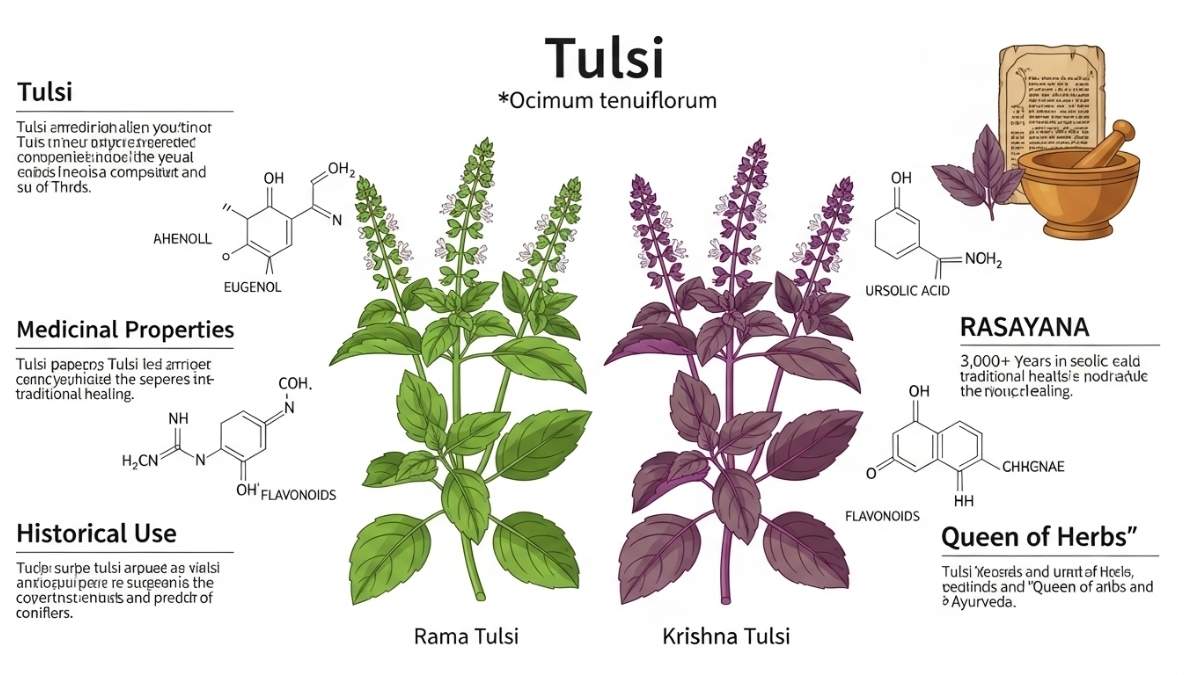
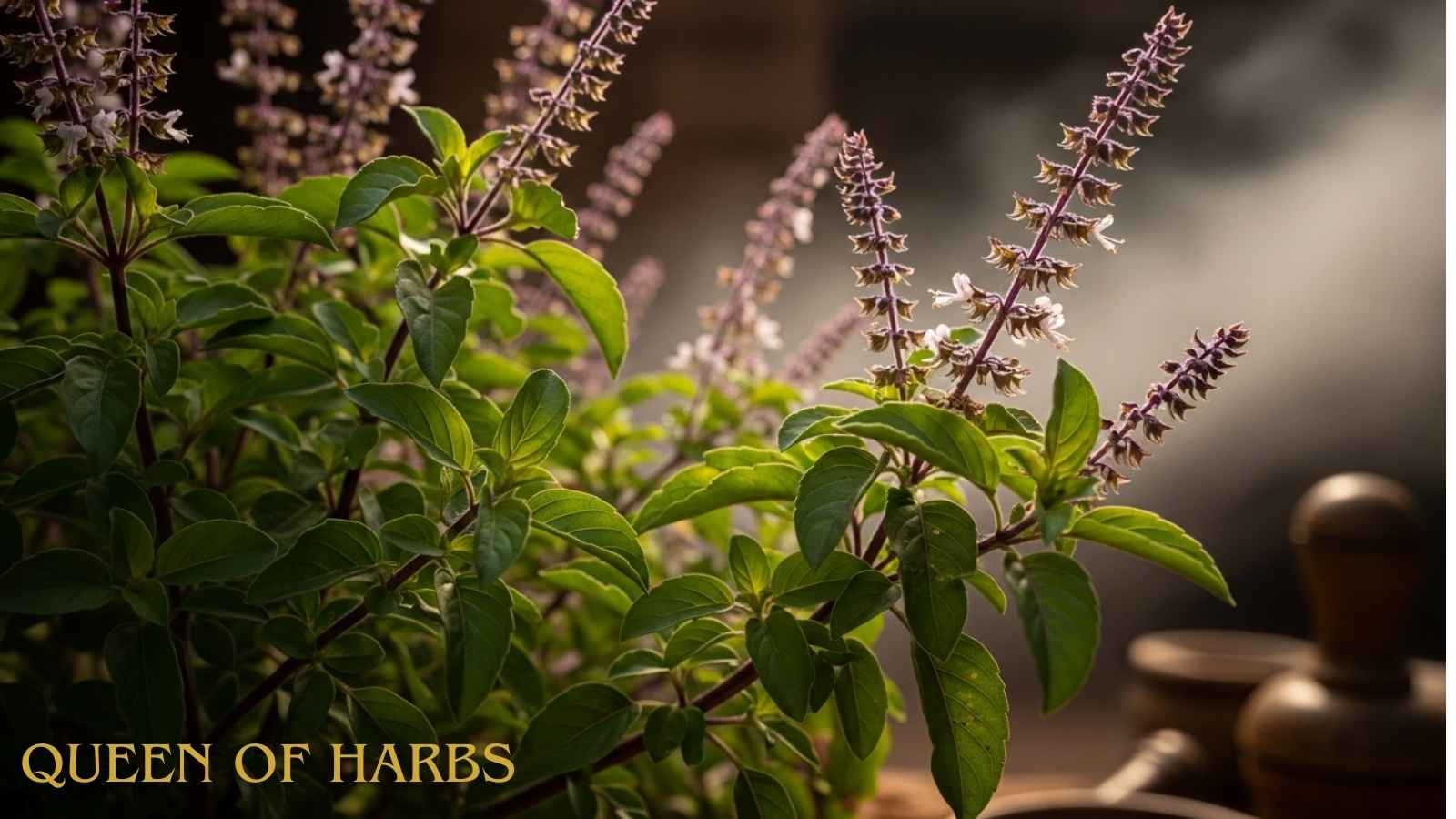
Tulsi has aromatic leaves, purple or green stems, and small purple-white flowers. The two best known types are Rama Tulsi (green leaf) and Krishna Tulsi (purple leaf). Phytochemical studies have shown that tulsi is rich in bioactive compounds, including eugenol, ursolic acid, rosmarinic acid, linalool, apigenin, and many more flavonoids. These components account for its antioxidant, anti-inflammatory, antimicrobial, adaptogenic, and immunomodulatory properties. It’s royal title as a medicinal plant is well deserved by the extraordinary multitude of its curative virtues.
Phytochemical Constituents and Mechanisms of Action
The science behind Tulsi’s reputation is largely due to its complex phytochemistry. One of the major phenolic compounds in tulsi is eugenol, which has strong anti-inflammatory and analgesic properties due to its ability to inhibit cyclooxygenase (COX) pathways, thereby affecting prostaglandin synthesis.  Ursolic acid exhibits hepatoprotective, anticancer, and anti-inflammatory functions with mediation of NF-κB signaling pathways. Rosmarinic acid provides strong antioxidant protection through its free radical scavenging activity and by decreasing oxidative stress markers.
Oxidative stress is an integral part of several chronic pathologies, including cardiovascular diseases, diabetes mellitus, neurodegenerative disorders, and cancer. Tulsi’s antioxidant action aids in reducing the oxidative damage to cellular structures, including mitochondria, and may aid in protecting against cell dysfunction. Tulsi also modulates the hypothalamic–pituitary–adrenal (HPA) axis and hence can be considered an adaptogen.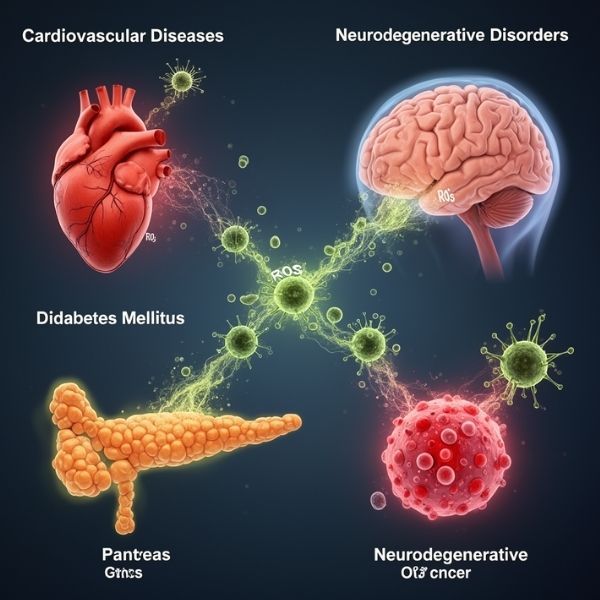 Adaptogens improve the ability of your body to resist physical, chemical, or biological stressors—an important factor when modern living seems to demand continual multitasking.
The complex of its phytoconstituents acts in synergy, which has multarget pharmacological effects. As opposed to single-molecule drugs, Tulsi acts as a whole system in harmonizing immune mediation, hormone regulation, and metabolic modulation at the same time. This restorative biological effect is what makes it known as the Queen of Herbs.
Tulsi and Immune System Modulation
A healthy immune response is necessary for human survival and well-being. Tulsi possesses immunomodulatory activities that stimulate both cellular and humoral immune responses. Tulsi extracts have been shown to stimulate the activity of NK cells, T helper cells, and macrophages.  These are the immune cells responsible for fighting off bacteria, viruses, and fungi.
The antimicrobial activity of tulsi is mainly due to eugenol and essential oil (EO), which disrupt the cell membranes of microorganisms. Tulsi has been shown to possess inhibitory effects against common respiratory tract pathogens, which makes it useful in upper respiratory tract infections, bronchitis, and mild asthma. It also has anti-inflammatory and airway inflammation reduction and pulmonary function improvement abilities.
Furthermore, tulsi promotes the production of antibodies that induce humoral immunity. It also helps people to resist stress and prevents common viral infections in the period of seasonal change as they show sensitivity towards such infections. This comprehensive immune support is what makes it so valued in human daily life.
Role in Metabolic Health and Cardiovascular Protection
Metabolic-related disorders such as T2D, dyslipidemia, and high blood pressure represent a major public health burden in the world. Tulsi had a potential antidiabetic effect through stimulation of insulin secretion and increased peripheral glucose utilization. Previous experimental studies have indicated that tulsi may decrease the fasting blood glucose and improve glycemic control by stimulating pancreatic beta-cell function.
Moreover, tulsi modulates lipid metabolism by lowering total cholesterol, low-density lipoprotein (LDL), and triglyceride levels but increasing high-density lipoproteins (HDL). The antioxidant effect decreases lipid peroxidation, which ultimately prevents endothelial dysfunction and the formation of atherosclerotic plaques. Taken together, they reduce the risk of cardiovascular disease.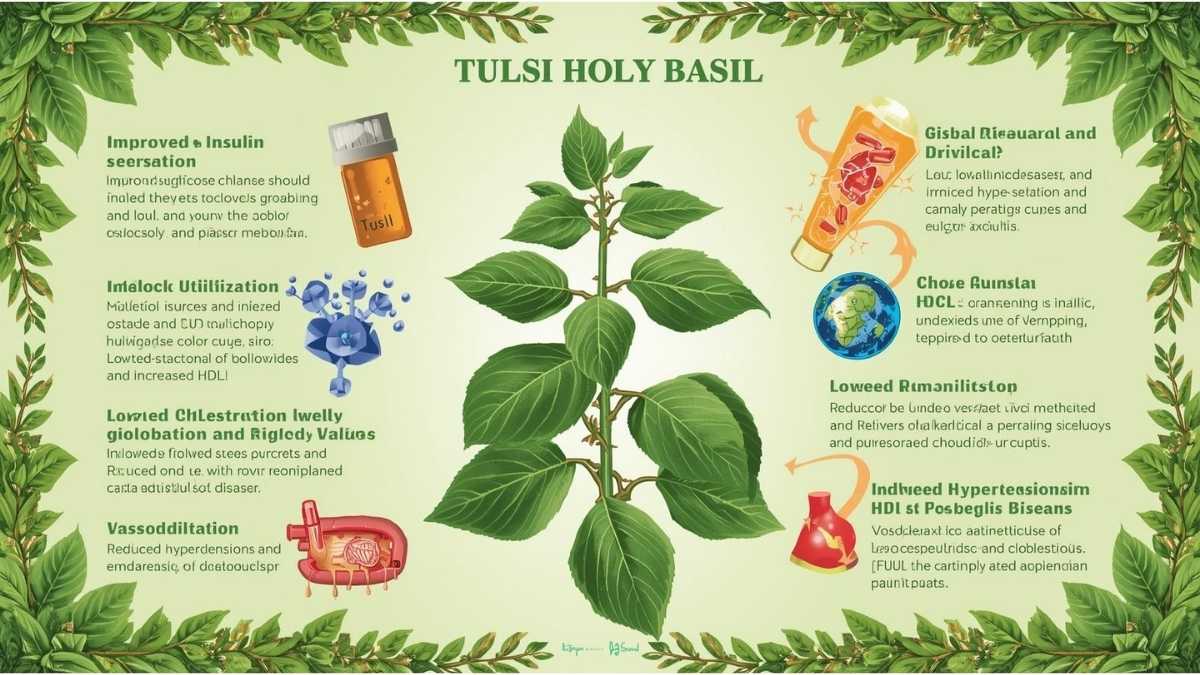
Tulsi as a remedy for hypertension Tulsi has therapeutic applications in the management of hypertension. Tulsi’s act of inducing vasodilation and diminishing oxidative stress in the blood vessel walls means it also helps to regulate better blood pressure. Its cardioprotective benefits contribute to the plant’s reputation for promoting long-lasting health as one ages.
Tulsi: The Adaptogen for Mind and Mood
One major contributor to poor health in people today is long-term stress. Higher cortisol levels may suppress immunity, disrupt sleep, and predispose to metabolic syndrome. The adaptogen quality of tulsi assists in maintaining cortisol levels and supporting neuroendocrine functions. By acting like other neurotransmitters—including dopamine and serotonin—Tulsi could help to support both mood balance and cognitive clarity.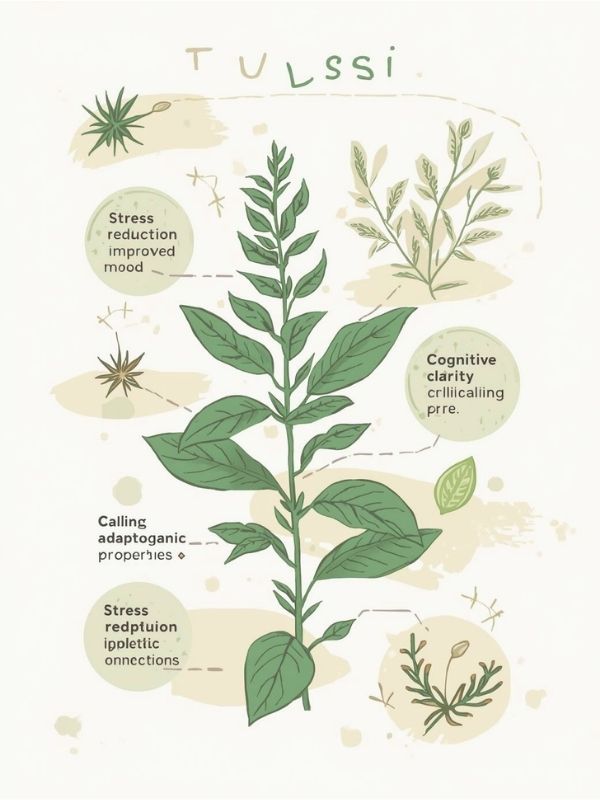
Clinical studies of tulsi reveal that it also has anti-stress properties and is a nerve tonic that can reduce anxiety, mild depression, and mental fatigue. The possible anxiolytic and neuroprotective effects could be due to the presence of substances such as linalool and flavonoids. The antioxidant action of tulsi also renders it very protective of brain cells, which are affected by oxidative stress, implicated in neurodegenerative diseases like Alzheimer’s.
Greater mental resistance and emotional stability are things that are simply invaluable. The fact that tulsi can also balance mind and body is one of many reasons why it is considered a “royal” herb in Ayurveda.
Anti-inflammatory and Anti-cancer Potential
Inflammation is a normal biological process, but chronic inflammation is associated with several diseases, such as arthritis, inflammatory bowel disease, and some cancers. Tulsi blocks pro-inflammatory cytokines, such as TNF-α and interleukins, leading to the suppression of systemic inflammatory response. Ursolic acid and rosmarinic acid are the major active principles involved in inhibiting pro-inflammatory mediators.
Tulsi’s anticancer potential has been studied in preclinical models. Its flavonoids have cytotoxic activities on several cancer cell lines through apoptosis and angiogenesis inhibition. Further large-scale clinical trials are necessary, but early findings are promising as an adjunctive therapeutic.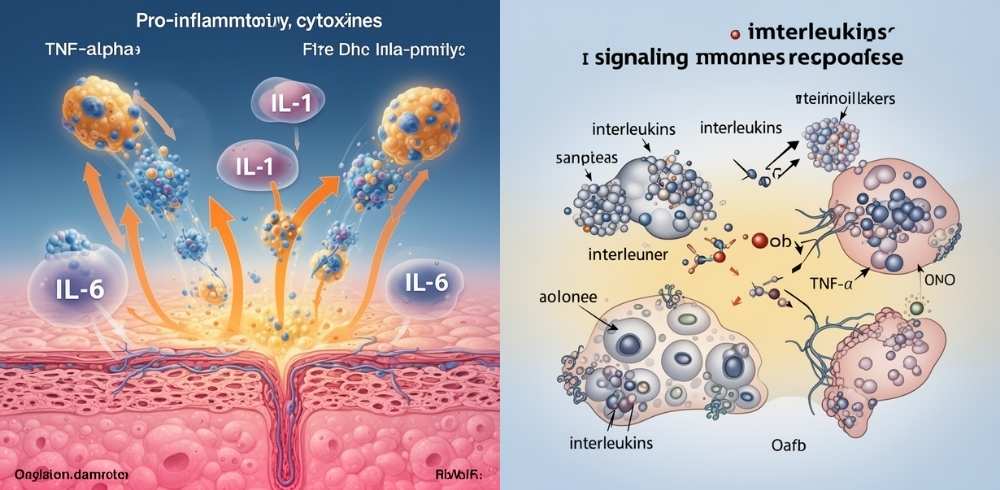
Its immunomodulatory potential and antiproliferative property add up as a good quality to confound the profile of Tulsi as a wonder medicine. This extensive range of treatment is consistent with the idea of a “Queen of Herbs,” which regulates many systems in the body.
Tulsi as a Daily Life and Preventive Healthcare Product
A striking characteristic of Tulsi is that it can be taken daily. Unlike most of the drugs that we consult in modern medicine for particular diseases, tulsi supports preventive health care. Sipping tulsi tea, chewing on fresh leaves, or taking standardized capsules can help support the respiratory tract, proper digestion, and overall health.
It is also known to have hepatoprotective effects, hepatic detoxification, and support liver function. Its gentle diaphoretic and carminative action helps to ensure that the digestive system is not upset. Due to its antimicrobial compounds, it is beneficial for oral health insofar as inhibiting bacteria growth in the mouth and maintaining gum health.
As Tulsi easily fits into your daily rituals and does not cause an array of serious side effects when consumed responsibly, Tulsi Tulsideservedly holds a special place in keeping us healthy! This common use adds to the value of this plant among humans as a medicinal resource.
Conclusive Remarks: The Scientific Rationale of “the Queen of Herbs”
Basil is also known as the queen of herbs in human life because of its phenomenal health-benefiting properties backed by research. Tulsi acts on a variety of biological systems at the same time, including antioxidant and anti-inflammatory mechanisms, immunomodulation, adaptogenic activity, cardioprotection, and metabolic balance. Phytochemical abundance and a relatively safe profile, along with its suitability in prophylactic health care, are especially valuable.
At a time when lifestyle-related diseases and stress-related illnesses are more common than ever, Tulsi provides the solutions to so many of today’s health problems. Boosted by the infusion of tulsi into the formula, immune support is the crowning virtue in this legendary herb. Combining these legendary Ayurvedic herbs, including the adaptogen Tulsi, this unique combination offers a boost to your vitality and energy level, just like nature intended.