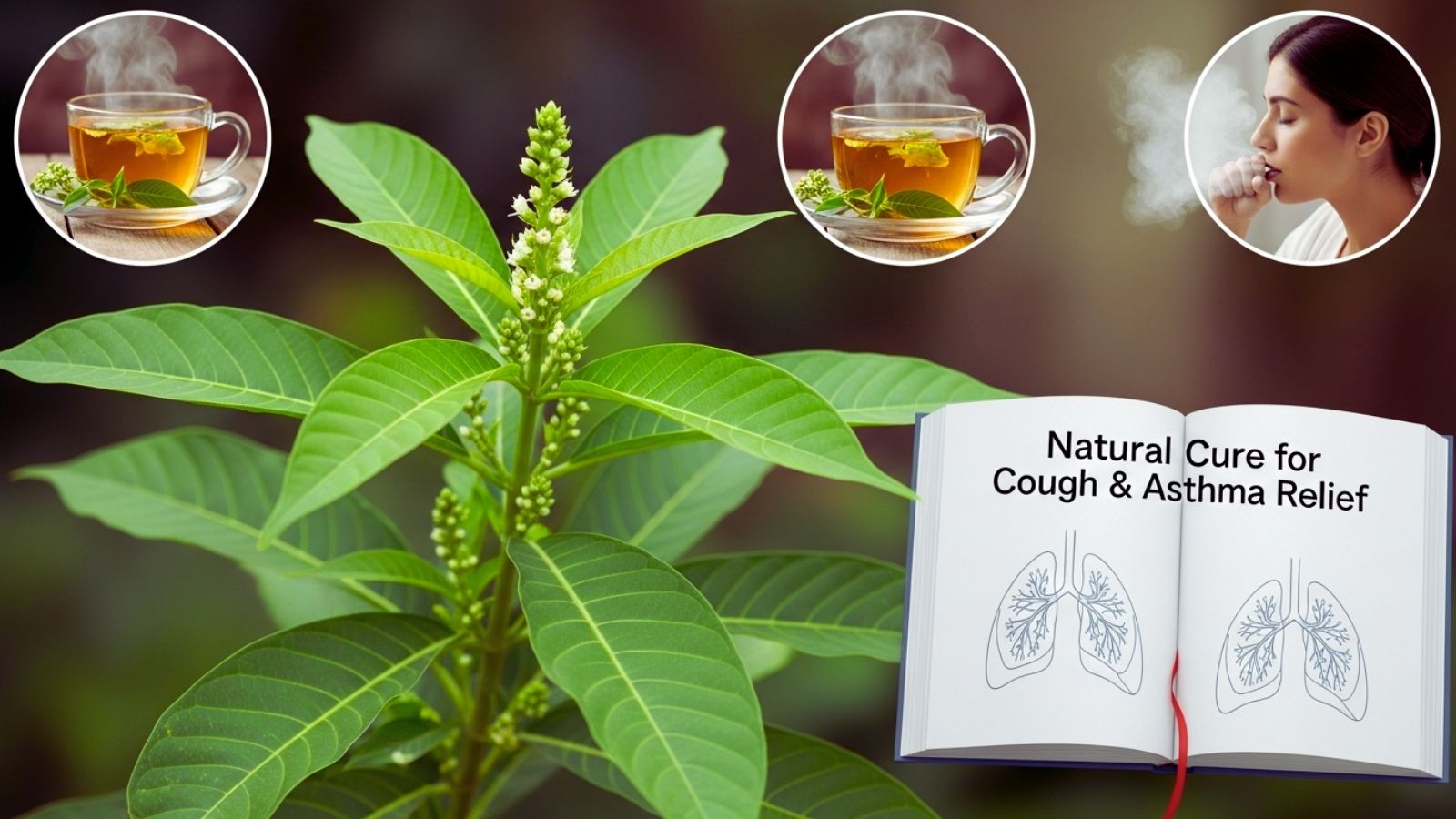
Ayurvedic, Siddha, and Unani medicine all use the plant Vasaka, which is also known as Justicia adhatoda or Adhatoda vasica. This evergreen herbaceous plant is part of the Acanthaceae family and can be found all over the Indian subcontinent, especially in tropical, subtropical, and wet areas. Vasaka has been used for a long time to help with breathing problems, but it is now known for its scientifically proven healing properties, especially for coughs, bronchitis, asthma, and other lung problems. Vasaka leaves have a very active alkaloid called vasicine, as well as related compounds like vasicinone, deoxyvasicine, and maiontone. These compounds help the plant open up airways, get rid of mucus, reduce inflammation, and kill germs. People have used this plant as a natural way to clear mucus, open airways, soothe a chronic cough, and help the lungs work better for hundreds of years. It is one of the most trusted herbal remedies for respiratory health.
Many of the old claims about Vasaka have been proven true by modern science. A lot of research shows that vasicine works like theophylline, a medicine used to treat asthma, by opening up the airways. The plant also has mucolytic properties, which means it helps break down and get rid of thick mucus in the airways. Vasaka also works as an antitussive, which means it makes coughs less frequent and less severe. Other research has shown that the herb may be able to fight tuberculosis because it kills bacteria that cause respiratory infections. Vasaka is a natural anti-inflammatory that helps reduce swelling in the bronchi, restore airflow, and support the healing of respiratory tissues. Vasaka is a powerful natural remedy for several breathing problems because it has many benefits and no side effects like chemical bronchodilators.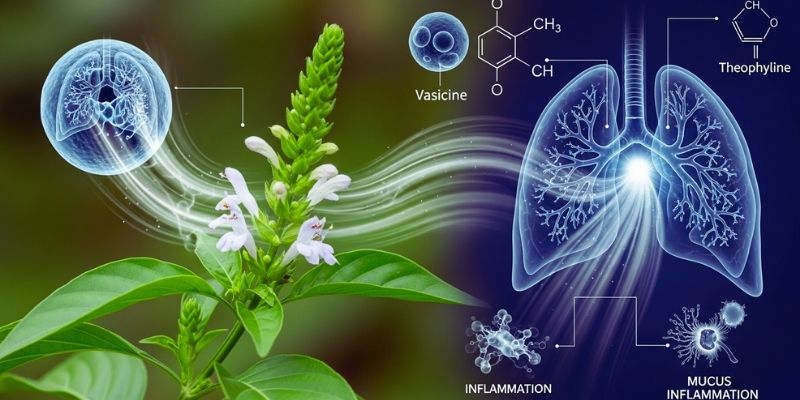
The plant profile and phytochemical makeup of Vasaka
To understand how Justicia adhatoda can help with health problems, it’s important to know how it grows. Vasaka is a tall, leafy shrub that can grow up to 2.5 meters tall. Its leaves are lance-shaped and grow in pairs. The flowers are white or purple and grow in dense spikes. The leaves have a lot of alkaloids in them, and vasicine and vasicinone are the most important ones because they do most of the drug work.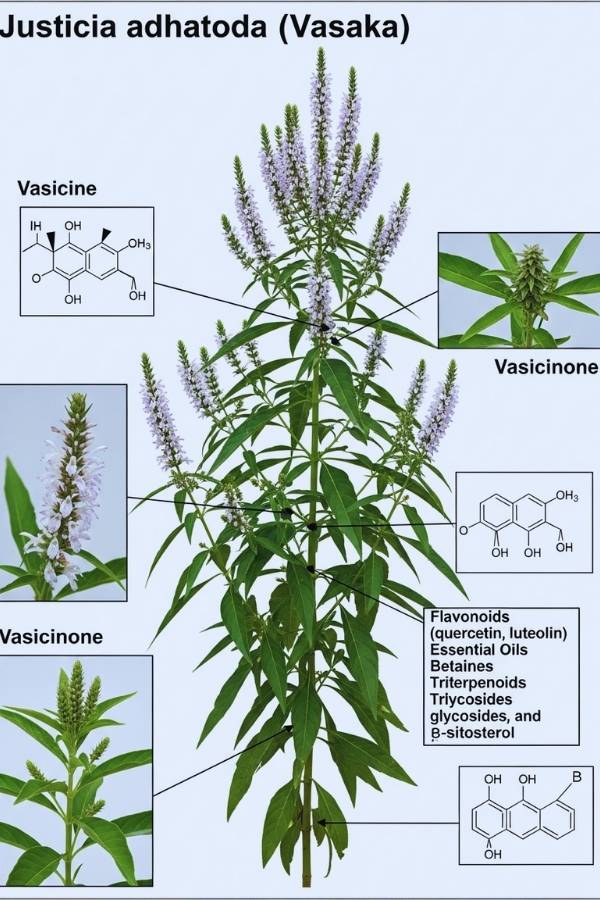 Flavonoids (quercetin, luteolin), tannins, essential oils, betaines, triterpenoids, and glycosides are other important parts that make the plant more useful for healing. The fact that Vasaka contains β-sitosterol, a plant sterol that is known to have anti-inflammatory effects, adds to its reputation as a healing herb.
From a phytochemical point of view, vasicine (a quinazoline alkaloid) has strong bronchodilatory and expectorant effects, which help to open up the bronchial tubes and get rid of mucus. Vasicinone, however, has synergistic effects when mixed with vasicine, which means that the plant’s natural extract works better than single compounds. Flavonoids in Vasaka also work as antioxidants, which helps repair lung tissue and protects cells from oxidative stress caused by long-term inflammation or pollutants in the air. The tannins in the plant make it astringent, which helps calm down irritated respiratory linings. The combined phytochemical profile makes a strong respiratory-supporting herb that is supported by both traditional knowledge and modern science.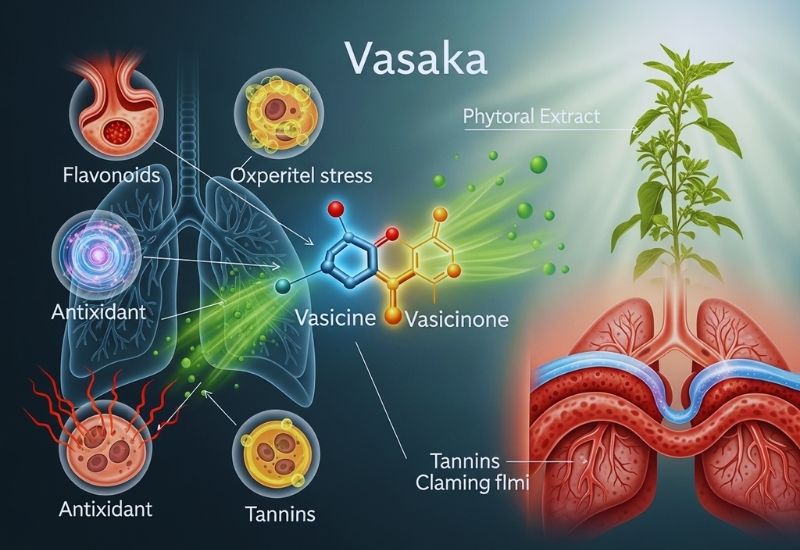
How Vasaka Works to Help Respiratory Health
One of the most important things about Vasaka is that it works on the respiratory system in many different ways. Vasaka works through many different pharmacological mechanisms to give full respiratory relief. This is different from single-action medicines that only work on one symptom. Vasaka’s expectorant effect is mostly due to vasicine, which makes mucus less thick and increases bronchial secretions. This makes it easier for patients to cough up sticky phlegm that has gotten stuck in their airways. This kind of mucolytic action is especially helpful for chronic bronchitis, smoker’s cough, and productive coughs that come with infections.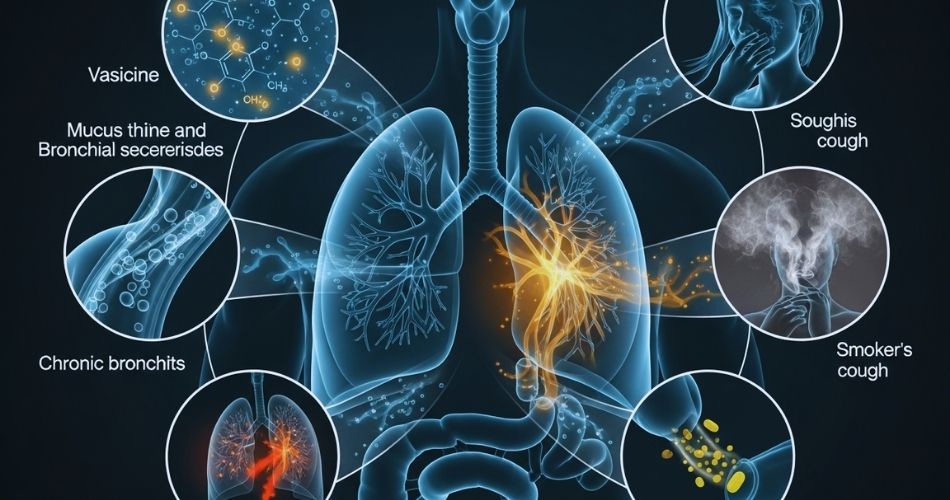
Vasaka also works as a bronchodilator, which means it relaxes the smooth muscles of the bronchial passages. Research has demonstrated that vasicine activates β-adrenergic receptors, facilitating bronchodilation akin to contemporary asthma therapeutics. This helps open up narrow airways, which makes it easier for people with asthma or COPD to breathe. The plant also has anti-inflammatory properties that help reduce swelling, inflammation, and sensitivity in the airways. Another big benefit of Vasaka is that it helps with coughs by calming down irritated bronchial mucosa, which makes coughing less painful. These actions together make Vasaka one of the best natural herbs for respiratory problems, from a mild cough to chronic asthma.
Vasaka for Cough Relief: How It’s Used Traditionally and What Science Says
People have long thought that vasaka is a natural way to treat coughs, whether they are dry, wet, allergic, or caused by an infection. Ayurveda says that it is a “Kasa-hara” herb, which means that it heals coughs at their source. Traditional healers say that Vasaka is beneficial for coughs caused by too much Kapha, which makes thick mucus block the airways.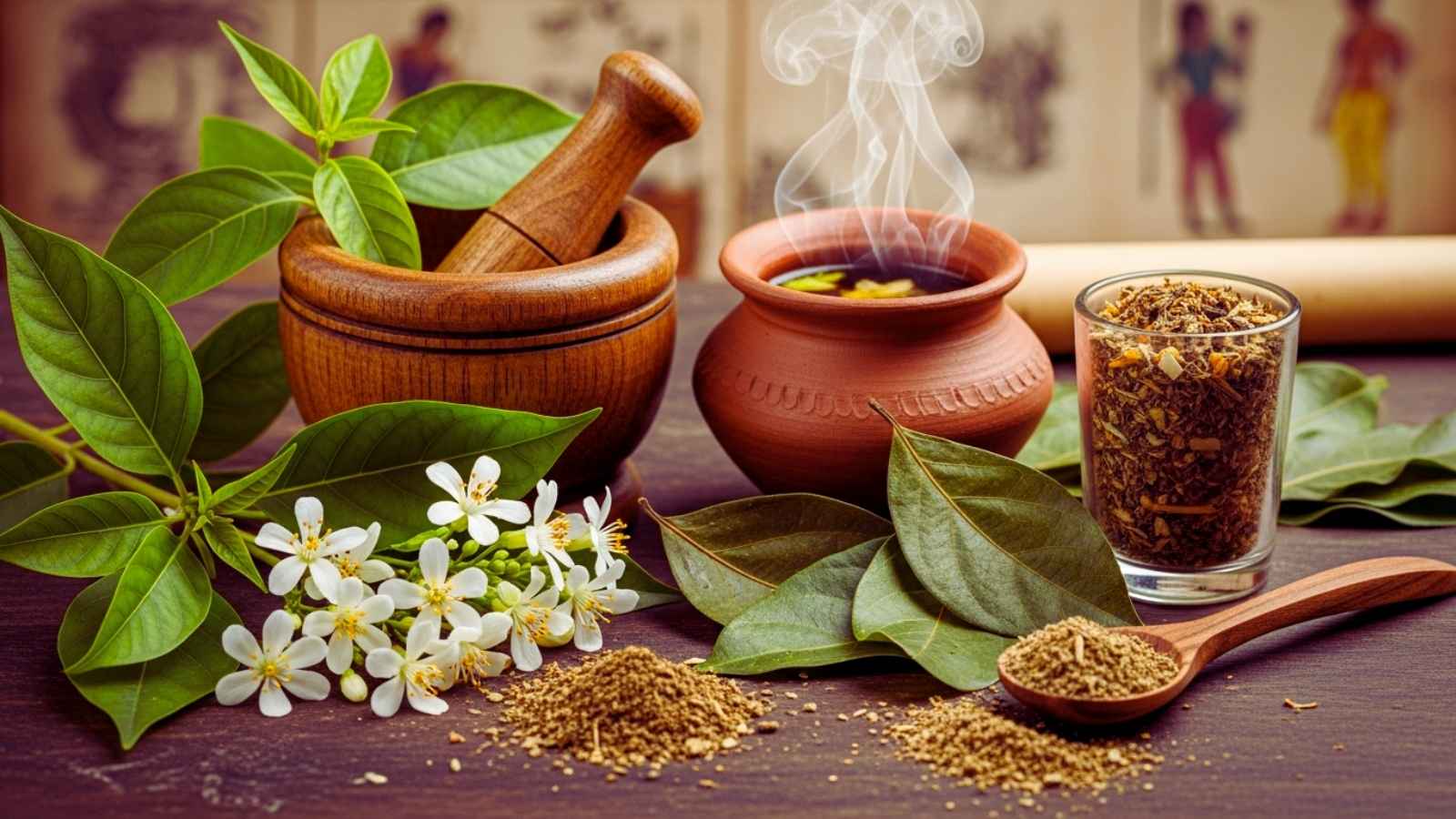 It helps get rid of phlegm and soothes inflamed respiratory tissues because it is bitter and cool. For hundreds of years, people have used decoctions, leaf juice, and herbal mixtures like Vasavaleha to treat a cough that won’t go away.
Scientific studies also back up Vasaka’s role in treating coughs. The plant’s ability to stop coughing has been compared to standard cough-relief drugs, and it has been shown to greatly reduce reflex coughing. Vasicine works on the cough center in the brainstem to lower the need to cough and 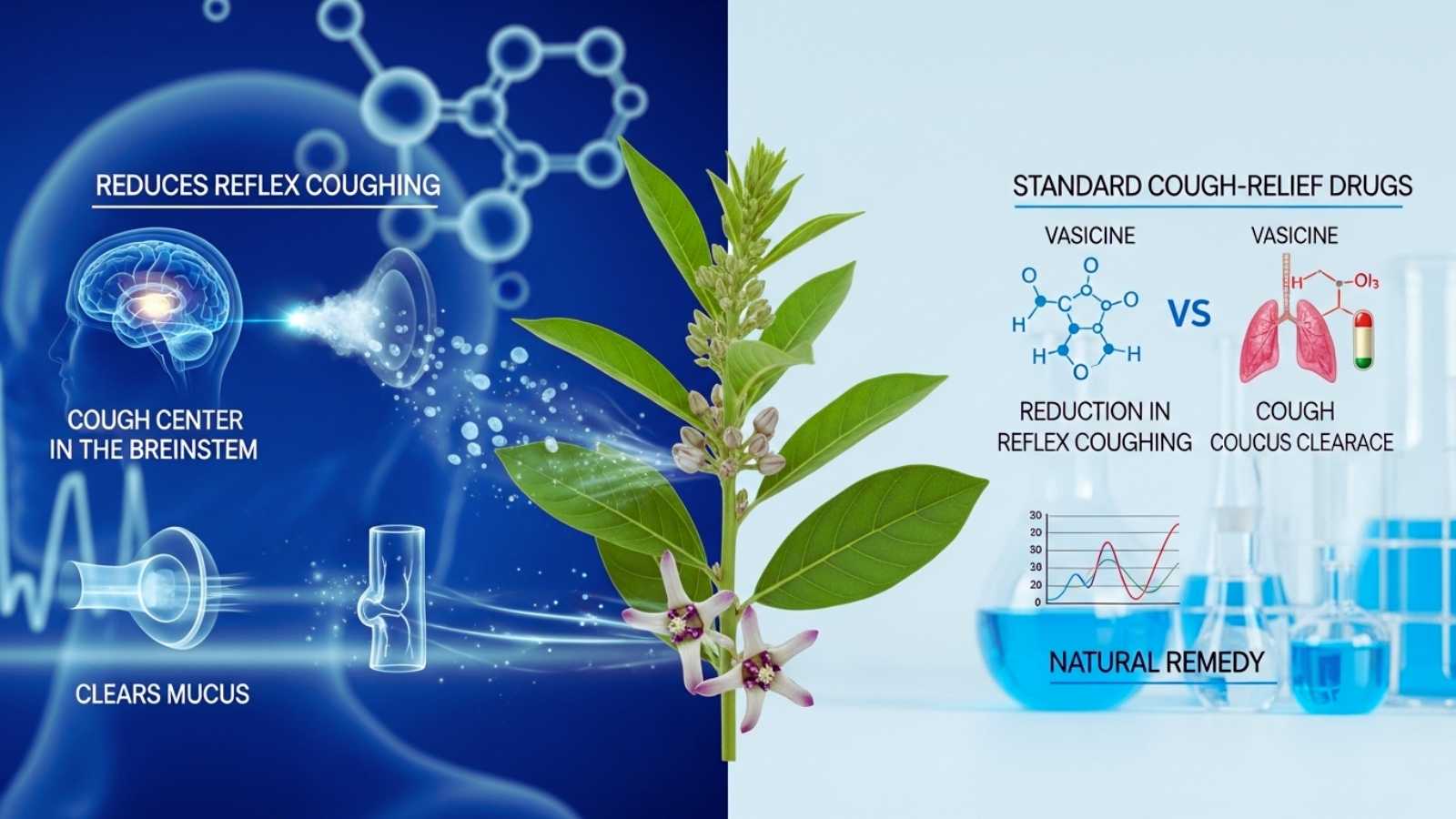 make it easier tobreathe by making you cough up mucus. This dual function makes Vasaka different from many modern cough syrups, which may stop coughing but don’t clear mucus. Studies with animals have shown that Vasaka extracts significantly reduce how often coughing happens when exposed to irritants like ammonia and sulfur dioxide. Natural remedies often include Vasaka due to its effects on seasonal coughs, sore throats, chronic bronchitis, and upper respiratory tract infections.
Vasaka for Asthma and Bronchitis: A Natural Way to Open Up Your Airways
One of the best things about Vasaka is that it helps with asthma, a long-term inflammatory disease that causes the airways to narrow and become overly sensitive. 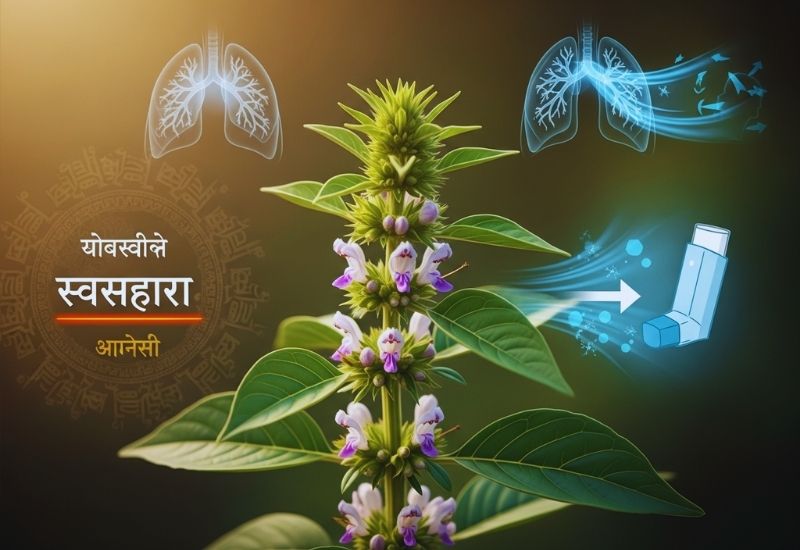 Old Ayurvedic texts call Vasaka a “Swasahara” herb, which means it helps you breathe freely. Its bronchodilatory effect helps stop bronchospasms, which makes it easier to breathe in and out during asthma attacks. The plant can open up the bronchi and bronchioles in a way that is similar to how modern bronchodilator drugs work, but it doesn’t have any major side effects like jitteriness or a fast heartbeat.
Recent pharmacological studies have shown that vasicine is a strong bronchodilator that makes breathing easier by opening up the airways and lowering their resistance. Vasaka helps reduce airway swelling, hyperreactivity, and mucus buildup, all of which are major causes of asthma symptoms. It also has anti-inflammatory properties. 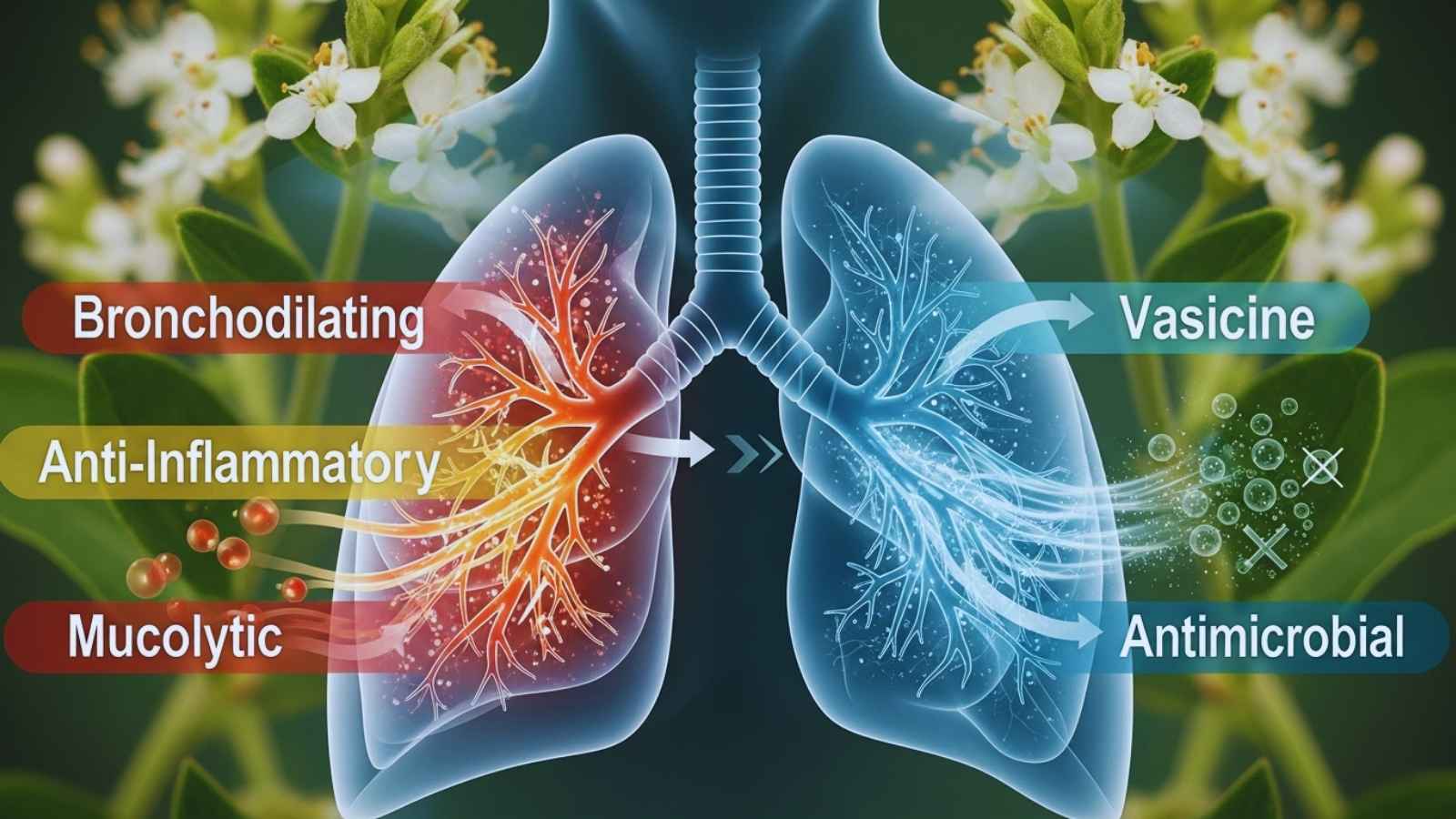 In chronic bronchitis, where long-term inflammation and mucus buildup make it difficult to breathe, Vasaka’s mucolytic and expectorant properties help clear the airways and bring the respiratory system back into balance. Studies indicate that Vasaka possesses antimicrobial properties, combating bacteria that cause bronchial infections. This attribute makes it helpful for dealing with respiratory infections that keep coming back and often make asthma or COPD worse.
Vasaka has anti-inflammatory, antimicrobial, and antioxidant effects
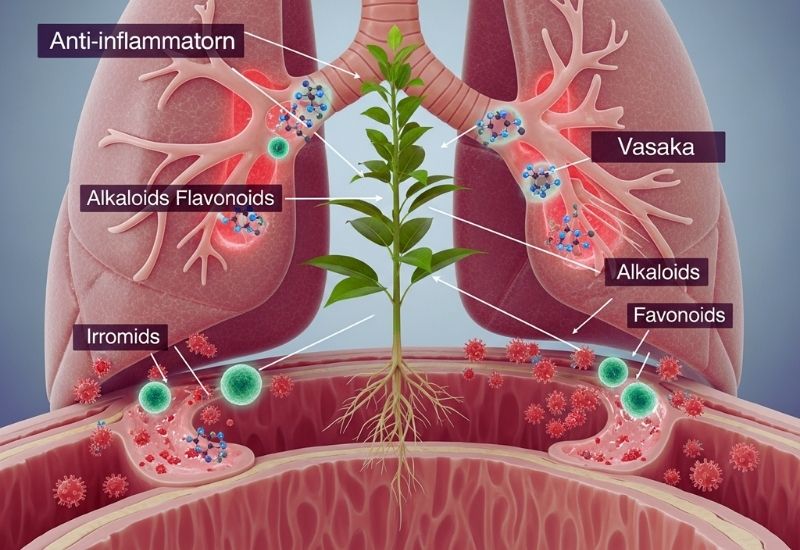
Vasaka is a strong natural anti-inflammatory agent in addition to its well-known benefits for the respiratory system. Alkaloids and flavonoids help reduce inflammation in the bronchial pathways and calm irritated tissues. This beneficial effect is especially helpful for people with asthma, since inflammation is a major cause of the disease. Vasaka lowers cytokine levels and stops the body from releasing inflammatory mediators. This natural anti-inflammatory effect helps the respiratory system heal over time, not just for a short time.
Vasaka also has strong antimicrobial properties, which means it works against viruses, bacteria, and fungi that attack the respiratory system. Mycobacterium tuberculosis, Streptococcus pneumoniae, and Klebsiella pneumoniae are some of the pathogens that can cause serious lung infections. Research has shown that Vasaka extracts can fight these germs. 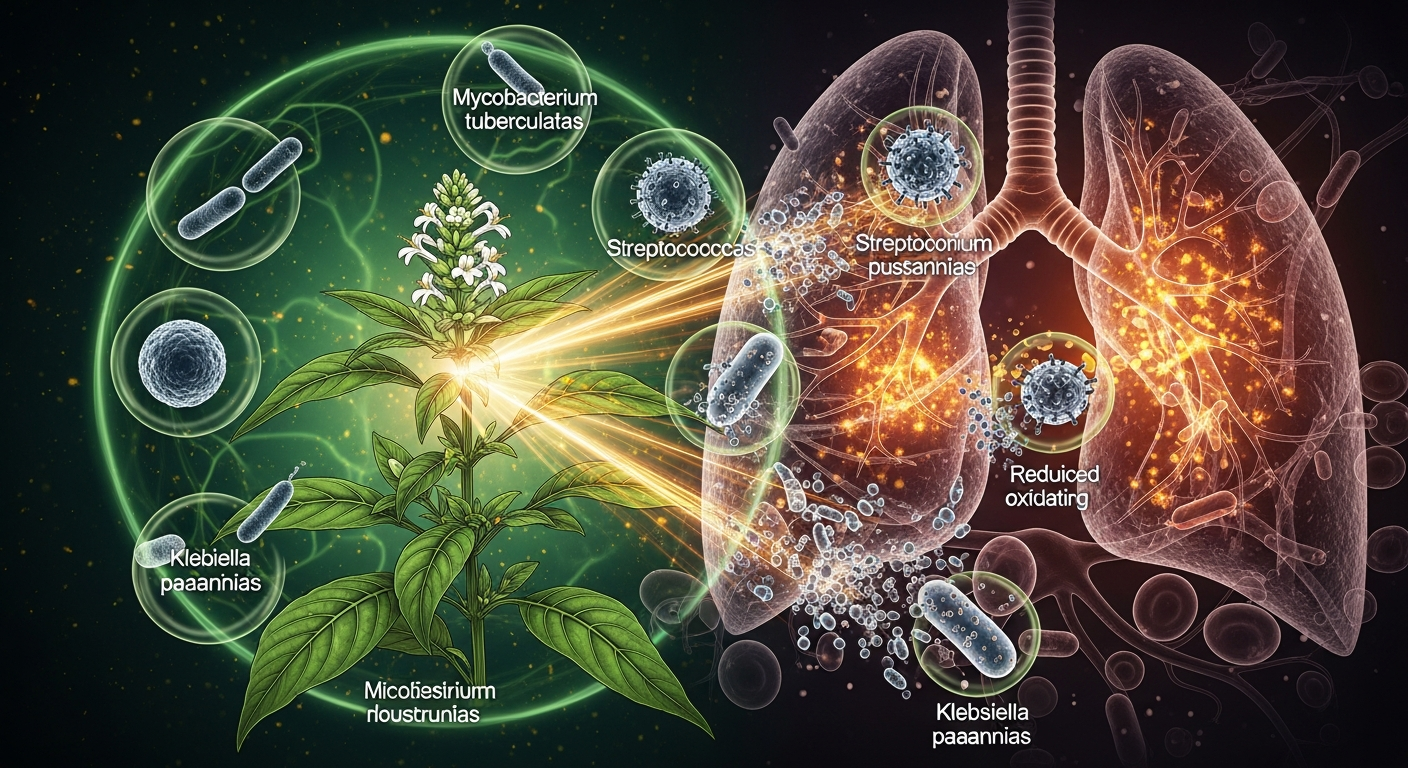 This evidence indicates possible supportive advantages in the management of tuberculosis and pneumonia; however, medical oversight is crucial in these severe conditions. The herb’s high level of antioxidants also helps lower oxidative stress in lung tissues. Vasaka helps cells repair themselves, slows down the breakdown of tissues, and boosts the immune system of the lungs as a whole by neutralizing free radicals. This means that the plant not only helps with short-term symptoms, but it also protects your lungs in the long term.
How to prepare, dose, and safely use Vasaka
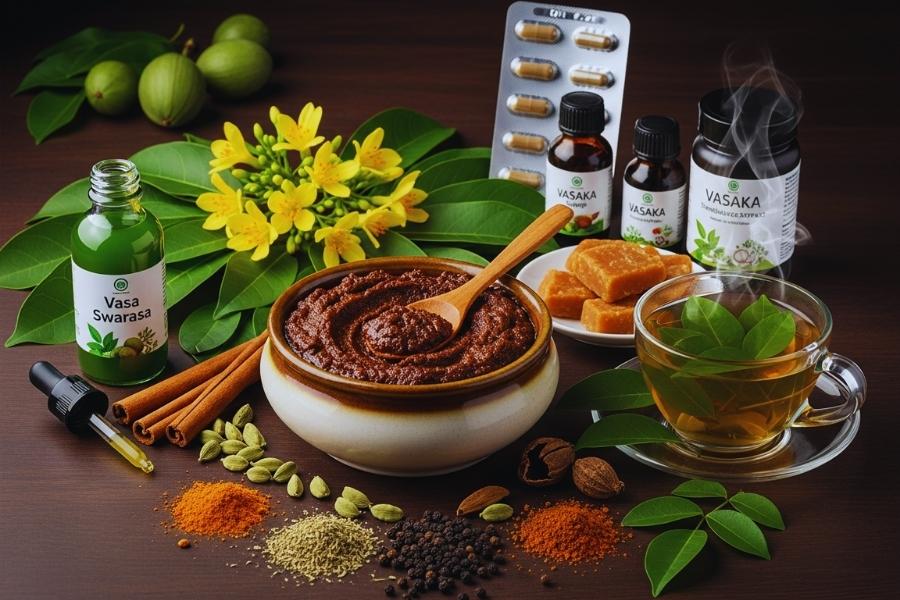
Vasaka is used in many different traditional and modern recipes. The most common Ayurvedic preparation is Vasavaleha, which is a herbal paste that mixes Vasaka decoction, jaggery, and spices to make the treatment work better. People use leaf juice, or “Vasa swarasa,” to treat asthma attacks and severe coughs because it works quickly as an expectorant. Another common way to use Vasaka is to make a decoction from the leaves or flowers. This strategy is especially helpful for chronic cough and bronchitis. Vasaka is also available in capsules, tablets, syrups, and standardized extracts from modern herbal medicine. This variant makes it easy to use every day.
The amount of Vasaka you take depends on what you need it for and what form it is in. Classical Ayurveda recommends that adults take about 5–10 ml of fresh juice, 10–15 ml of decoction, or 1–2 teaspoons of Vasavaleha. However, an Ayurvedic practitioner should decide on the exact dose. When taken in the right amounts, it is usually safe. However,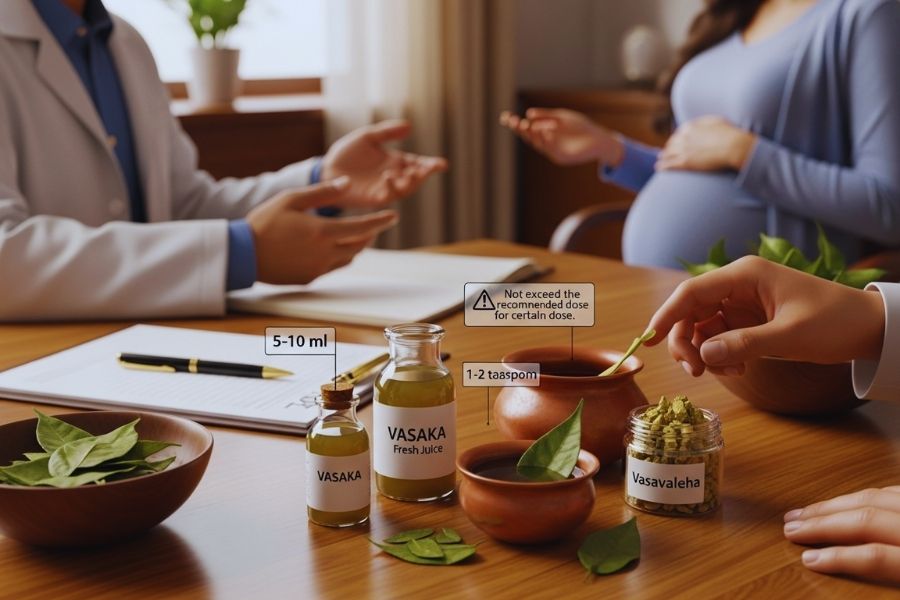 taking too much of it can irritate the stomach because it is bitter and has many alkaloids. Pregnant women should not take Vasaka unless their doctor tells them to, as Vasicine may cause the uterus to contract. People who have long-term respiratory diseases should talk to their doctors before taking Vasaka with prescription drugs. If you use Vasaka correctly, it is one of the safest and most effective natural remedies for long-term respiratory support.
Vasaka’s future potential, sustainability, and importance around the world
As more and more people around the world become interested in plant-based medicine and natural healing, Vasaka is becoming more well-known as a safe and effective herbal treatment for respiratory problems. Natural herbs that help the lungs are more important than ever because of climate change, rising pollution levels, and more cases of asthma and bronchitis around the world.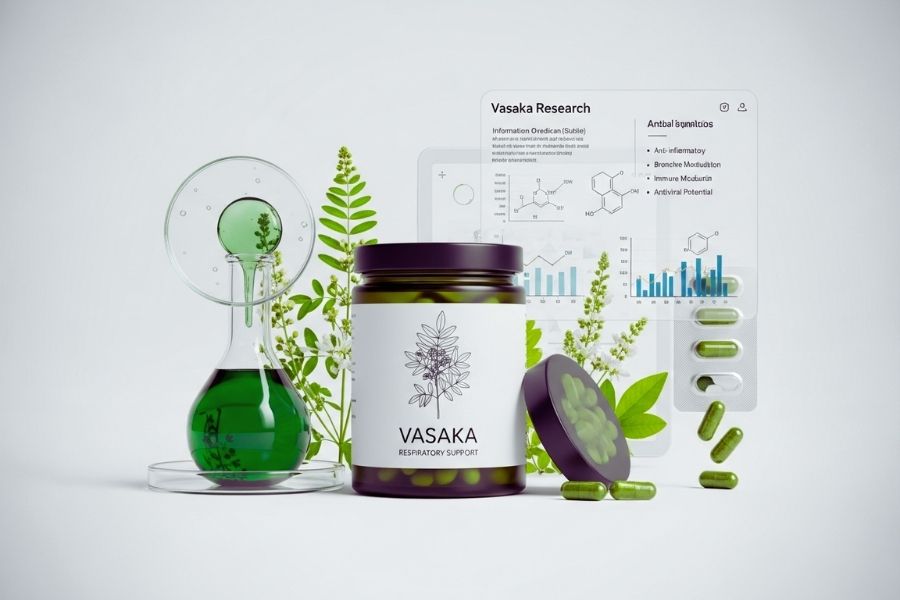 Vasaka stands out due to its diverse pharmacological effects and proven effectiveness in treating a wide range of conditions. Researchers are still looking into its possible anti-tubercular, antiviral, and immune-modulating effects. These effects could make the plant an important part of future respiratory healthcare.
From a sustainability perspective, Vasaka is easy to grow, doesn’t need many resources, and grows well in tropical areas. Encouraging the growth and use of Vasaka can help herbal businesses, local farmers, and natural healthcare systems while also protecting traditional knowledge. Vasaka is becoming an important global herb in integrative medicine as modern science continues to confirm what ancient wisdom says. It is an irreplaceable natural remedy for keeping your lungs healthy in today’s polluted world because it can open up your airways, break up mucus, relieve coughs, reduce inflammation, and protect your lungs.vasicine