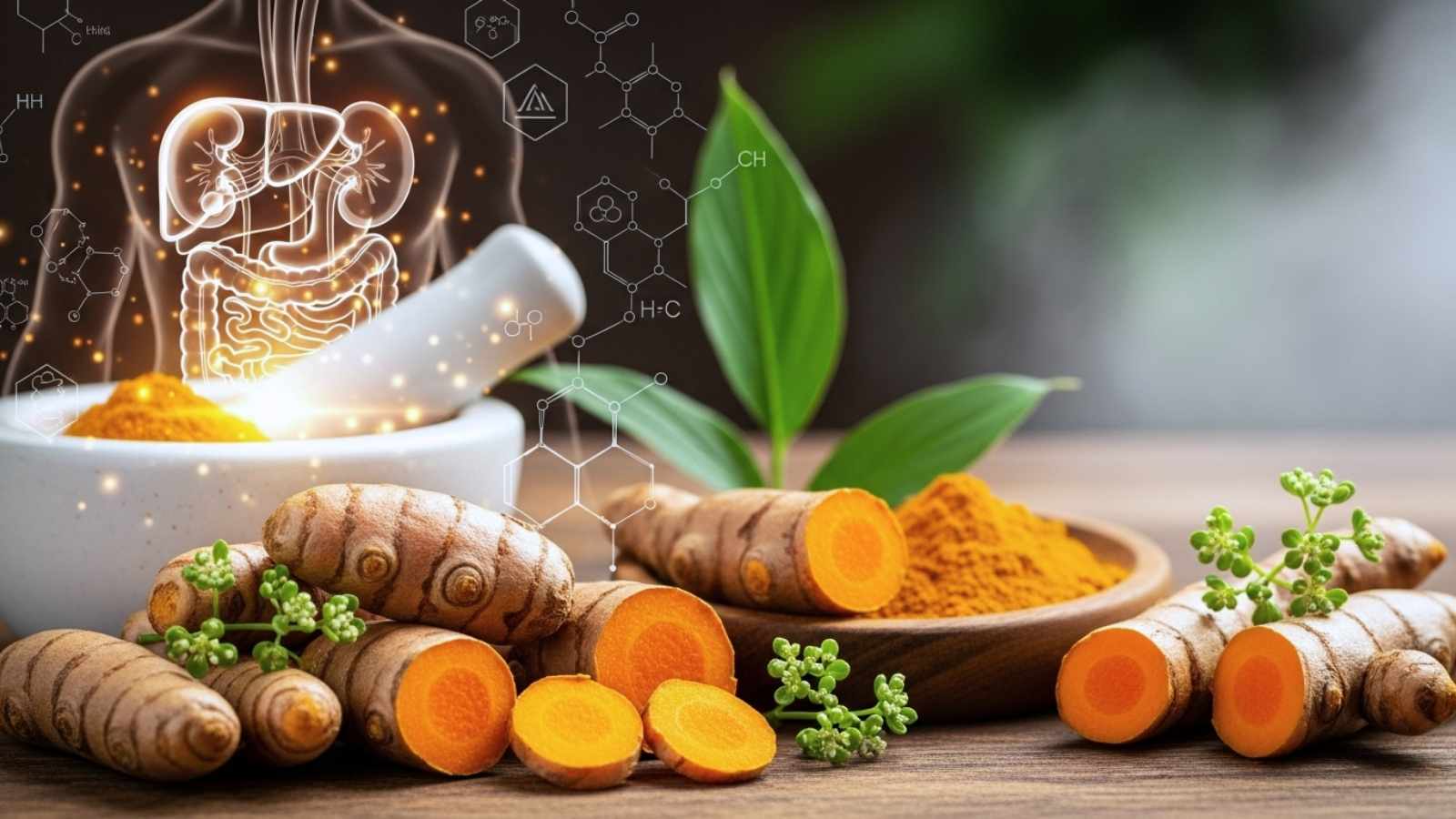
As more individuals search for natural, plant-based support for detox and inner balance, turmeric in whole body cleanse products has gained worldwide awareness. Turmeric is derived from the rhizome of a perennial herb called Curcuma longa, which belongs to the Zingiberaceae (ginger) family.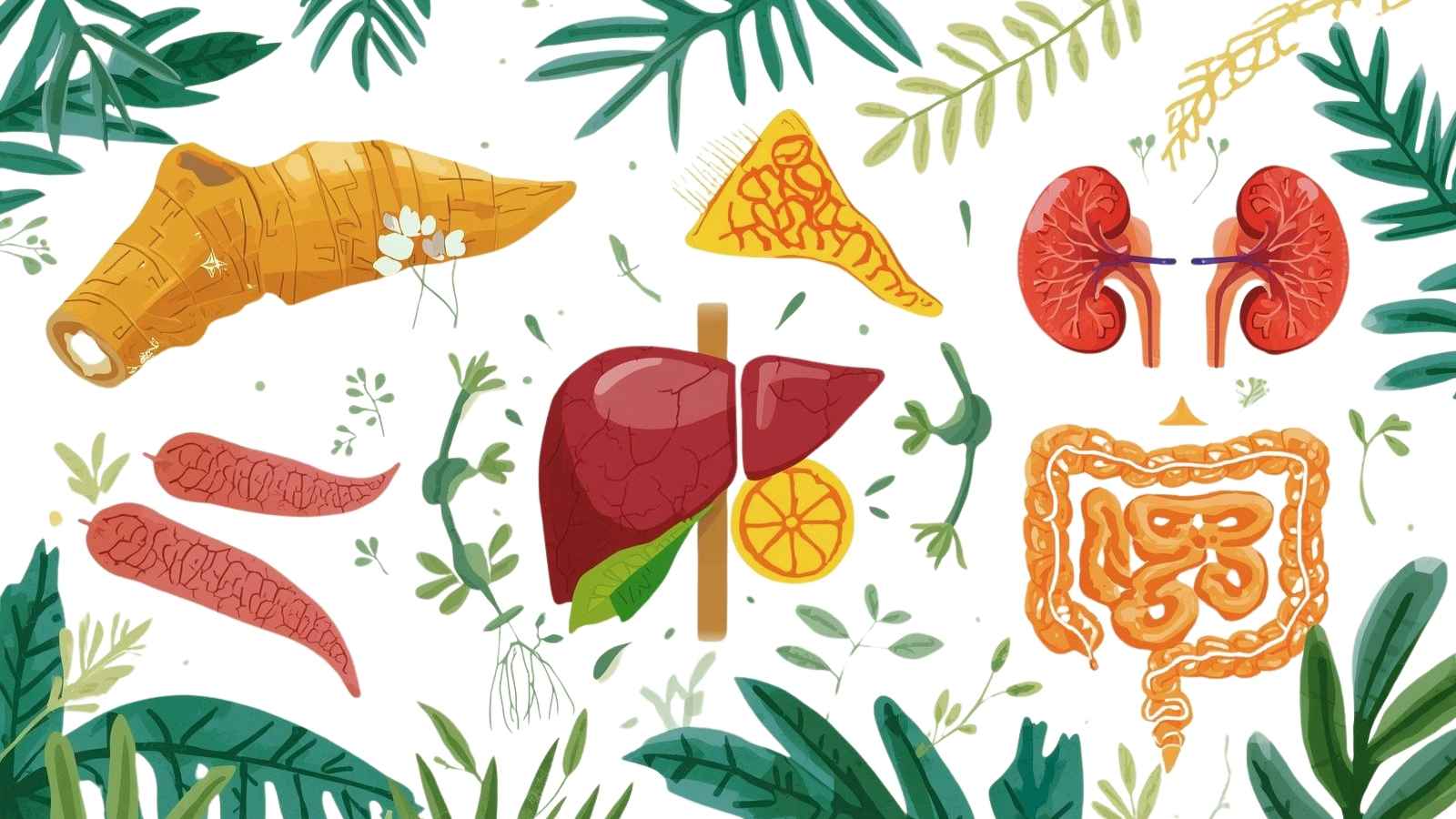 Traditionally, turmeric has been used in Ayurvedic and traditional Chinese medicine for its anti-inflammatory, antioxidant and hepatoprotective properties. Today, more modern research is investigating turmeric’s support for the liver, digestive and overall metabolic health.
Detoxing the body is within its own natural capabilities, it’s not about forcing it through extreme measures. The human body already has its own ways of detoxifying and cleansing itself, with powerful organs such as the liver, kidneys, lungs and intestines. This is where turmeric plays its part to help these organs at the cellular and biochemical level. This article outlines the science behind turmeric for a natural body cleansing process, its active compounds and physiological mechanisms, as well as daily applications.
🍁 Bioactive Compounds of Turmeric and Their Functions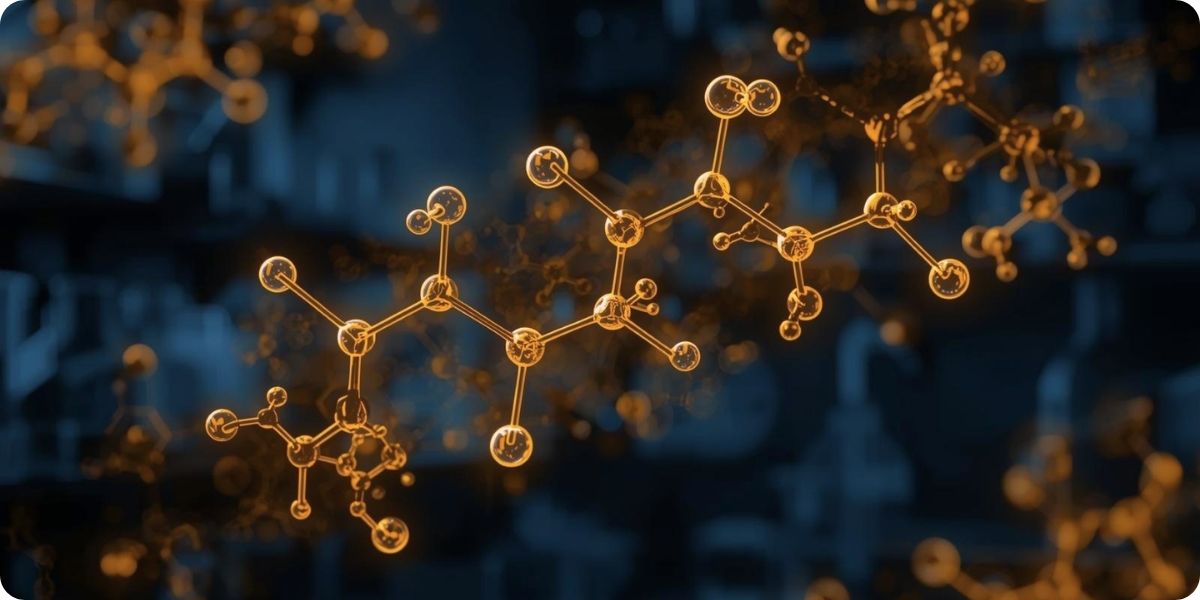
The primary constituents of turmeric, responsible for its natural body cleansing effectiveness are bioactive compounds such as curcuminoids. The best studied is curcumin (diferuloylmethane), the compound that gives turmeric its bright yellow color. Curcumin accounts for approximately 2–5% of dried turmeric and is primarily responsible for its pharmacological effects.
One of the principle mechanisms which contributes to the antioxidant activity of curcumin is its ability to scavenge reactive oxygen species (ROS) and reduce oxidative stress. Oxidative stress is when excessive free radicals build in the body to harm proteins, lipids and DNA. This process is connected to chronic inflammation, liver impairment, and metabolic diseases. Curcumin protects detoxifying organs from cellular injury by reducing oxidative stress.
Furthermore there are demethoxycurcumin (DMC) and bisdemethoxycurcumin (BDMC), which have anti-inflammatory activity too. Turmeric essential oils (turmerone, atlantone) enhance absorption and may promote immune modulation. Combined, these compounds act synergistically to support natural body elimination through anti-inflammatory, antioxidant and hepatoprotective [liver protective] actions.
🍂 How Turmeric Supports Liver Detoxification
The main detoxifying organ is the liver. Processing environmental toxins, metabolic waste products, excess hormones, and chemical residues. Liver detox has two important phases—phase I (oxidation, reduction, hydrolysis) and phase II (conjugation reactions like glucuronidation and sulfation).
Studies indicate that turmeric for natural body cleansing enhances both phases of liver detoxification. Curcumin boosts the activity of antioxidant enzymes like glutathione peroxidase, superoxide dismutase (SOD), and catalase. And it also increases levels of the critical intracellular antioxidant glutathione, believed to play a major role in neutralizing toxic substances by binding to them.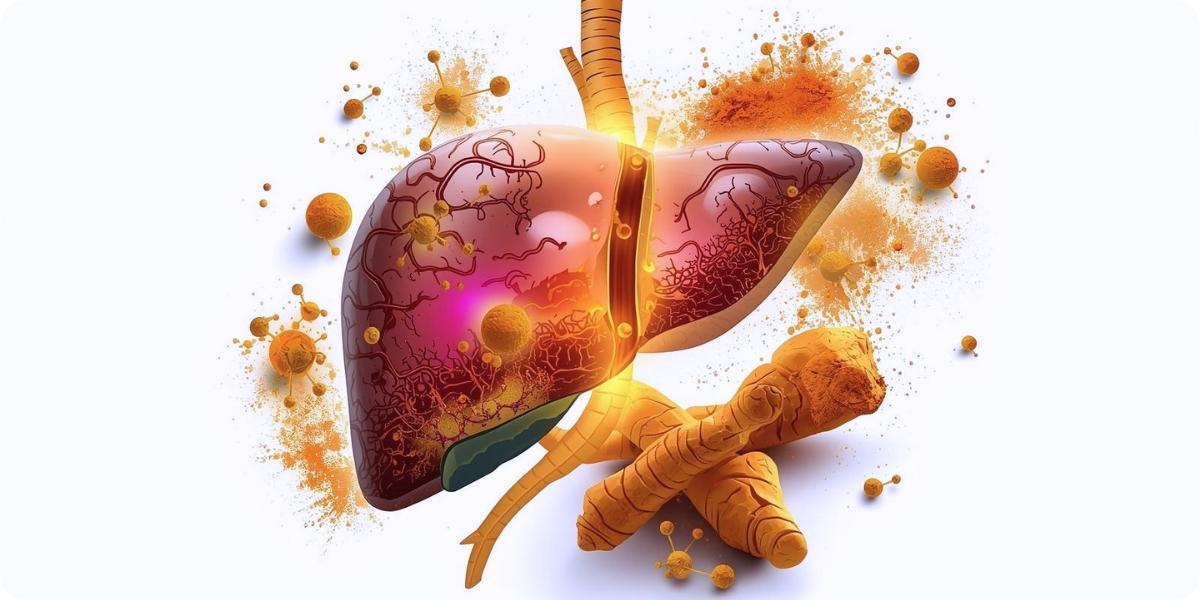
Curcumin protects hepatocytes (liver cells) from damage caused by alcohol, heavy metals, and some drugs. It decreases inflammatory markers like tumor necrosis factor-alpha (TNF-α) and interleukin-6 (IL-6), which are usually upregulated during liver stress. Turmeric may also promote optimal liver function and enhance the effective elimination of toxins by being anti-inflammatory and antioxidant, thus lowering hepatic inflammation and oxidative damage.
🍄 Turmeric and Digestive System Cleansing
One of the reasons why turmeric is so essential to natural body cleansing, though, is that it helps your digestive system. Wellness in digestion assures that waste goods are expelled out correctly and toxic materials are no longer reabsorbed to the blood.
The gallbladder gets the particles produced by turmeric. Bile is important for fat digestion and the removal of fat-soluble toxins. Better flow of bile allows metabolic waste to be digested and eliminated.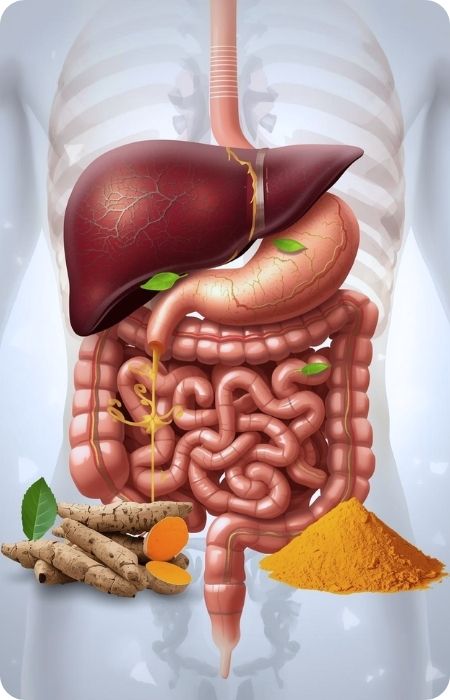 Curcumin also shows some antimicrobial activity against certain harmful bacteria that may help to maintain a balanced gut microbiota.
Recurrent inflammation of the GI tract hinders nutrient absorption and toxin elimination. Curcumin downregulates intestinal inflammation through NCκB, an essential factor in the regulation of inflammatory pathways. This anti-inflammatory effect maintains gut barrier function and lowers intestinal permeability — or the term “leaky gut.” A healthy gut barrier keeps toxins and pathogens from entering systemic circulation.
🌎 Antioxidant and Anti-Inflammatory Mechanisms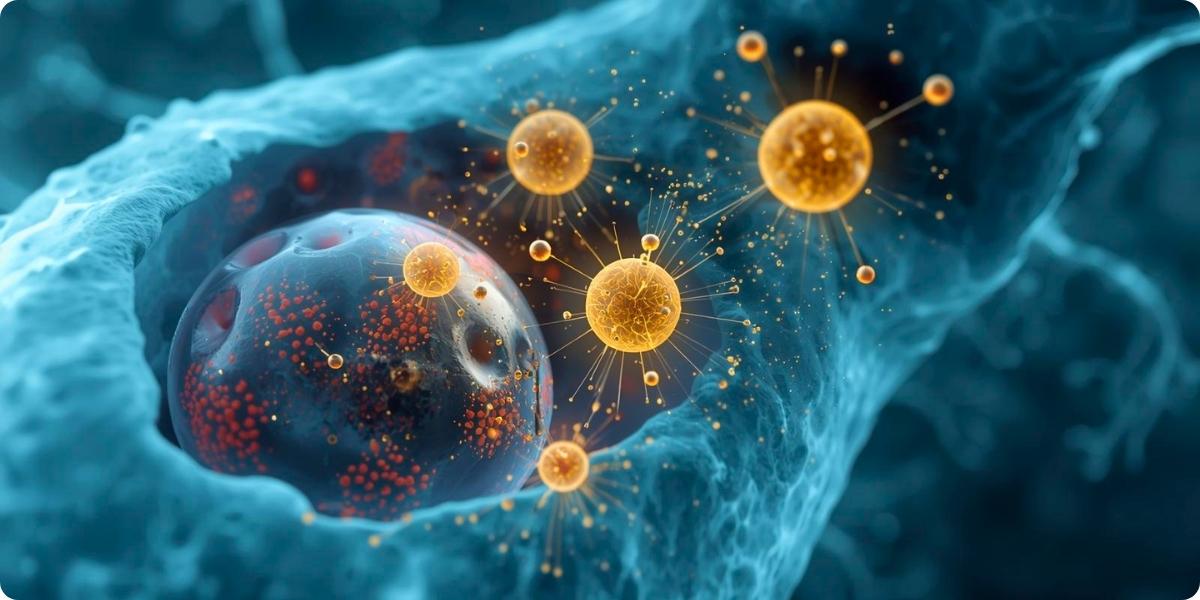
Oxidative stress and chronic inflammation are significant contributors to both toxin accumulation as well as metabolic imbalance. The antioxidant and anti-inflammatory properties of turmeric make it a great way to clean your body naturally.
Curcumin is a free radical scavenger and can increase the expression of antioxidant response elements (ARE). It activates the Nrf2 pathway, a transcription factor involved in cellular defense processes. Nrf2 activation enhances detoxifying and antioxidant enzymes, thereby protecting cells against oxidative injury.
Simultaneously, curcumin suppresses NF-κB activation which inhibits the pro-inflammatory pathways. It reduces inflammatory cytokine and enzyme production including cyclooxygenase-2 (COX-2). Less inflammation = less damage to tissues and better detoxificatioin.
Turmeric thus sets the stage for a gentle removal of toxins from the body because it addresses both oxidative stress and inflammation, creating an ideal internal environment in which cleansing can happen naturally without extreme detox regimes.
🌍 Turmeric for Kidney and Blood Purification
Freely soluble waste products come from urine that the kidneys filter blood. Turmeric protects the renal system also due to its antioxidant action, and even though it is mostly a liver health supporting herb. Curcumin may also be able to protect kidney nephrons from toxins and metabolic waste by alleviating oxidative stress in the affected tissues.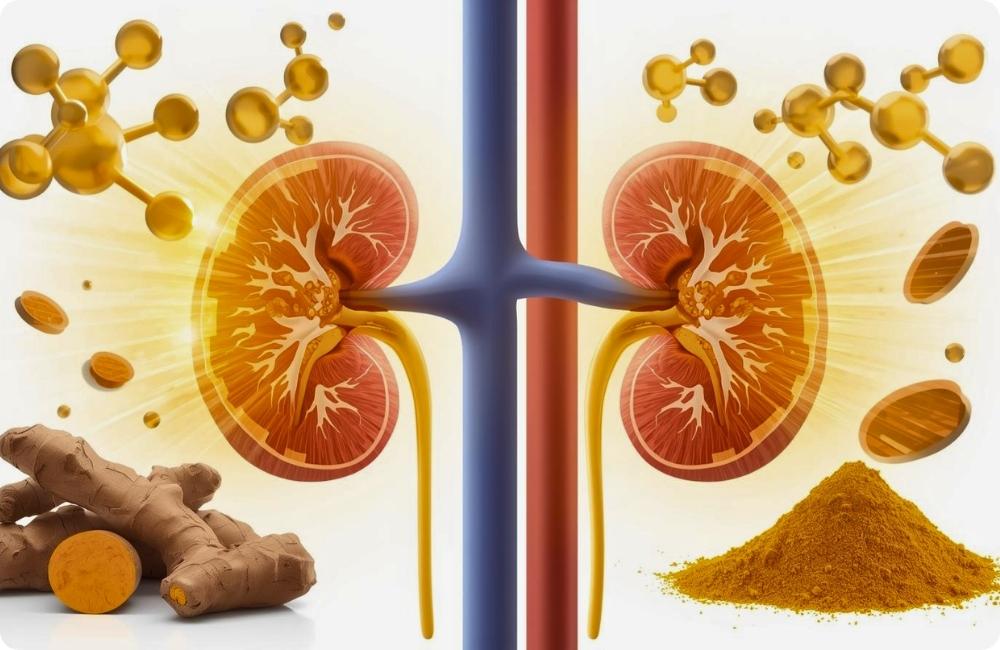
Turmeric has been referred to as a blood purifier in herbal traditions. From the physiological side of view, this is due to its ability to eliminate systemic inflammation, improve lipid metabolism and vascular. Low-density lipoprotein (LDL) oxidation is reduced with curcumin, therefore improving cardiovascular function and reducing blood clots.
Better blood flow also ensures that oxygen and nutrients reach our tissues, while waste products are discharged with organs responsible for excretion. It not only regulates digestive capacity to produce less waste but also enhances metabolic circulation, which makes turmeric an indirect factor in systemic cleaning.
🌏 Practical Human Usage of Turmeric in the Natural Cleaning of Their Body
You could adopt turmeric for natural body cleansing into your daily routine. One of the simplest ways to do this is to mix turmeric powder into warm water with a dash of black pepper. One of them is piperine, the active compound found in black pepper that has been shown to significantly increase curcumin bioavailability by inhibiting its rapid metabolism in the liver.
Another easy-to-make option is golden milk, which can be made from turmeric, warm milk (or plant-based milk) and some mild spices. The nightly use further supports the anti-inflammatory processes that occur during sleep. You can also sprinkle it in soups, lentils, vegetable dishes and smoothies.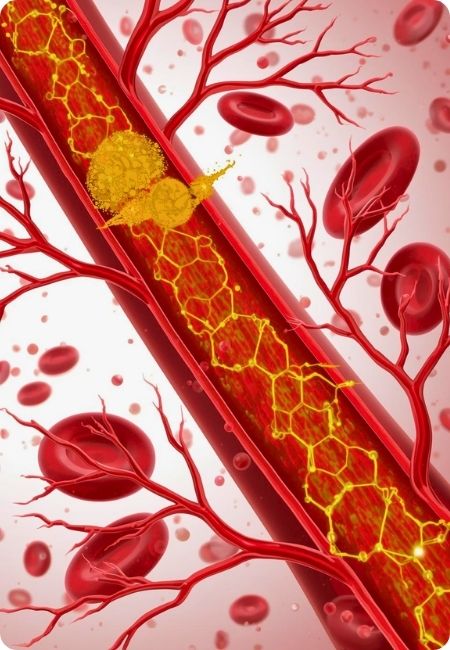
For those who want known doses, curcumin supplements are on the market. These formulations must necessarily be innovative with an improved bioavailability, mostly because of piperine or as phytosomes. A typical research dose of curcumin ranges from 500 to 1000 mg oxidizing per day; however, must be under medical advice before supplementation for these with gallstones and those anticoagulant medications.
The key is consistency, not high doses. In small doses, each day added slowly over time supports detoxification pathways and metabolic homeostasis.
🌙 Safety, Precautions, and Scientific Perspective
Although turmeric for natural body cleansing is safe to take, some sensitive individuals may find that too much discomforts their gastro system. High doses may increase bile secretion, which might exacerbate existing gallbladder conditions. Those on blood-thinning medications should talk to a healthcare professional as curcumin could amplify anticoagulant effects.
Unlike many other proposed detox agents, scientific studies show that turmeric is a potent antioxidant and has hepatoprotective properties but turmeric isn’t a miracle compound. Detoxification is a process the body does more or less on its own. Turmeric helps as an elevator that empowers physiological processes instead of substituting them.
Hydration, balanced nutrition, fiber intake, regular physical activity, and adequate sleep are equally important for effective natural cleansing of the body as well.
⭐ Final Thoughts: The Science Behind Turmeric as a Natural Detox for Body
The use of turmeric for natural body cleansing has both traditional wisdom and modern scientific research to back it up. Its active ingredient curcumin has antioxidant, anti-inflammatory and hepatoprotective effects that promote liver health and improve the digestive system, kidneys and circulatory system. Turmeric reinforces the body’s natural detoxification systems by upregulating detoxification pathways, increasing increased levels of glutathione and decreasing oxidative stress.
If taken consistently and in moderated amounts, turmeric can become a sensible part of overall health maintenance. When complemented by a health-positive lifestyle, it is a safe and evidence-based way to encourage the body’s own internal detoxification processes. Instead of extreme detoxes, an easy way to achieve holistic health and harmony over time is simply by adopting turmeric into the end of your daily diet as a preventative approach backed up by science.