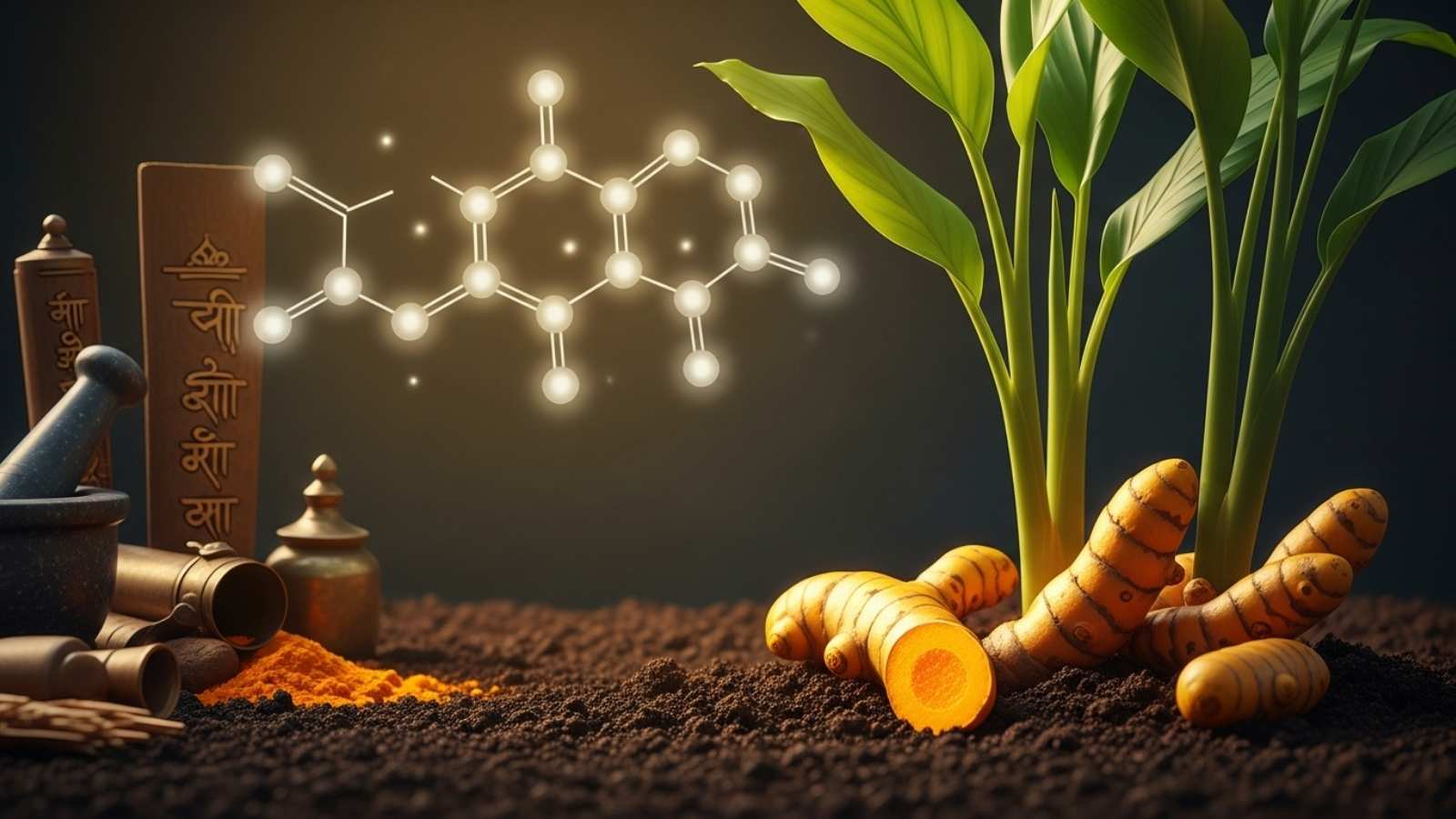
The bioactive compounds and health benefits of turmeric have made worldwide interest in turmeric for long-term preventive health. The scientific name for turmeric is Curcuma longa; it’s a perennial herb in the ginger family, Zingiberaceae. For thousands of years it has played a role in traditional systems like Ayurveda for enhancing vitality, digestion, and prevention of disease. Turmeric was proven to be rich in pharmacologically active compounds that promote chronic disease prevention and long-term wellness today through modern biopharmaceutical research.
These four modifiable health factors reduce chronic inflammation, oxidative stress, metabolic dysfunction and immune imbalance, which if left untreated can eventually lead to long-term low-grade disease. Turmeric has a great deal of importance in these areas because of its properties such as anti-inflammatory, antioxidant, antimicrobial and Immunomodulatory properties. Whether they are owering, only the regular and moderate use of turmeric in everyday life can help towards making one’s physiology more balanced, thereby lowering the chances or risk of degenerative disorders.
🌼 Bioactive Compounds and Scientific Composition
Curcuminoids or polyphenolic compounds, which are the active components of turmeric, are responsible for its health-promoting effects. The more important one is “Curcumin” or scientifically named “Curcumin”. Curcumin makes up around 2-5% of powdered turmeric and gives it its vivid yellow color and health benefits.
In addition to curcumin, turmeric also contains demethoxycurcumin and bisdemethoxycurcumin,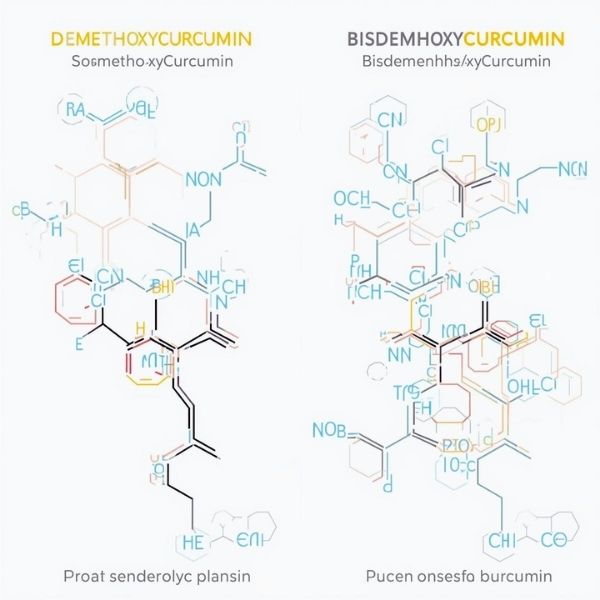 which contribute to its antioxidant action. Those are helpful due to the presence of bioactive compounds like turmerone, atlantone, and zingiberene in turmeric essential oil. These active ingredients act synergistically to yield anti-inflammatory and neuroprotective effects.
Natural bioavailability of curcumin is low due to poor absorption and rapid liver metabolism. But when turmeric is combined with black pepper, which contains piperine, it greatly improves curcumin absorption. These features combine to boost its level in the plasma and enhance its potential for long-term therapeutic action.
🌸 Chronic Disease Prevention and Anti-Inflammatory Effects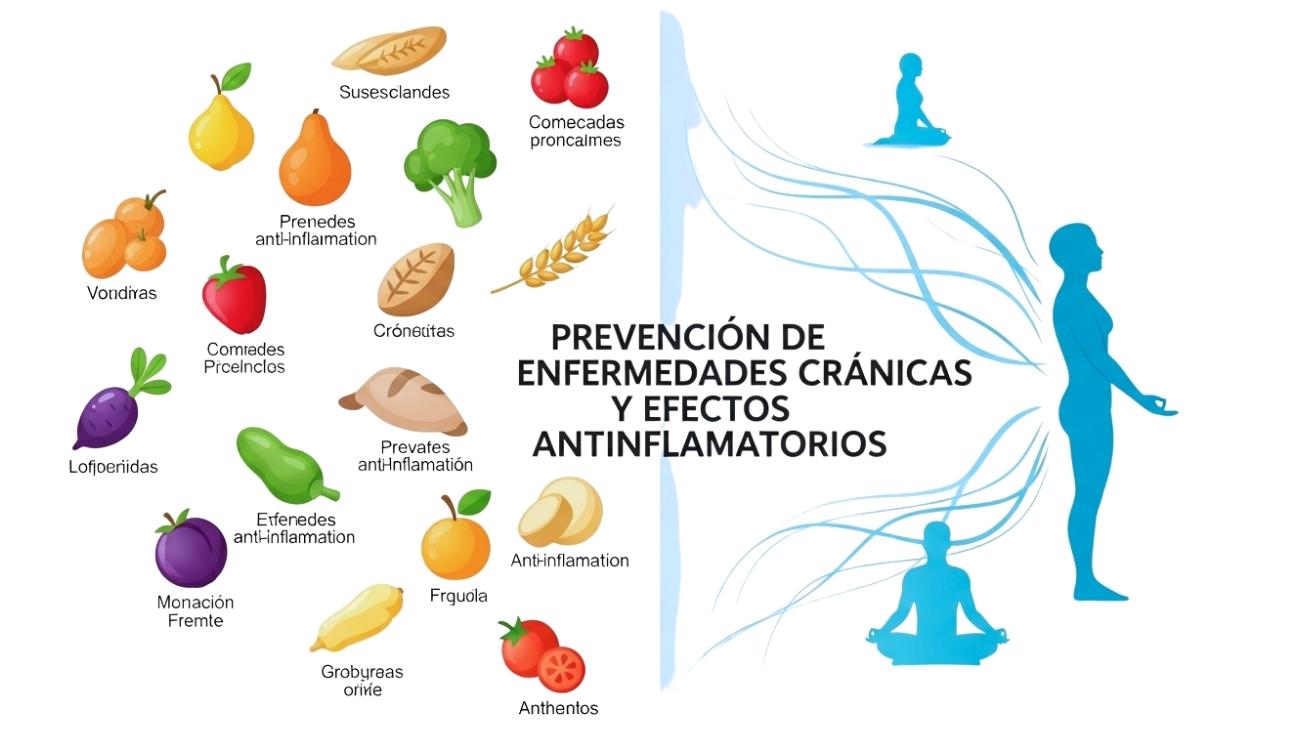
Chronic low-grade inflammation is an important risk factor for many diseases including cardiovascular disease, diabetes, arthritis and neurodegeneration. The long-term health promoting action of turmeric acts predominantly via its anti-inflammatory effects. Curcumin also has an inhibitory effect on inflammatory pathways. The pointed inhibition is through suppressing nuclear factor-kappa B (NF-κB), a protein complex that drives the expression of inflammatory genes.
Turmeric enhances khoira, maintains tissue stability and functional activity by countering pro-immune cytokines like tumor necrois factor-alpha (TNF-α) or interleukin-6 (IL-6). This anti-inflammatory effect can contribute to joint health, especially, in mitigating stiffness and improving mobility among elderlies.
Regular turmeric intake can also lower systemic inflammation related to metabolic syndrome long-term. Turmeric plays a vital role in maintaining equilibrium in inflammatory responses, aiding in overall health stability and disease resistance.
🌺 Antioxidant Protection and Cellular Health
Oxidative stress happens when there is an imbalance between free radicals and antioxidants in the body. This process destroys DNA, proteins and cell membranes, resulting in aging and chronic diseases. Turmeric is well known for long-term health maintenance due to the powerful antioxidant capacity of curcumin, which acts as a scavenger for reactive oxygen species (ROS).
Curcumin improve the activity of endogenous antioxidant enzymes like superoxide dismutase (SOD), catalase, and glutathione peroxidase. These enzymes protect cells from oxidative damage and preserve mitochondrial function. Healthy mitochondria are critical for energy generation and metabolic homeostasis.
Turmeric also promotes healthy aging, skin health and organ function by helping reduce oxidative stress. Regular consumption may help slow cells’ degeneration and enhance long-term vitality.
🌻 Cardiovascular Health and Metabolic Balance
Heart disease is still one of the top causes of death globally. Benefits of Turmeric for Long-term Health MaintenanceSupports Cardiovascular Health by Increasing Endothelial Function The endothelium is the inner layer of blood vessels, and its dysfunction contributes to both hypertension[13] and atherosclerosis.
It enhances the production of nitric oxide, a compound that helps to relax blood vessels and allows for proper blood flow. It also may prevent the oxidation of ldL, a component that contributes to plaque. Turmeric’s anti-inflammatory and antioxidant effects promote a healthy lipid profile and vascular elasticity.
Turmeric improves insulin sensitivity and glucose metabolism in metabolic health. Research indicated that curcumin affects pathways involved in insulin signaling, contributing to maintaining stable blood sugar levels. That makes turmeric useful for people prone to type 2 diabetes and metabolic syndrome.
🌷 Brain Health and Cognitive Support
Inflammation and oxidative stress in brain tissues are strongly related to neurodegenerative diseases. Turmeric may protect cognitive function as a neuroprotective agent for long-term wellness. Curcumin is capable of passing through blood-brain barrier and suppresses neuroinflammation by preventing inflammatory mediators in neural tissues.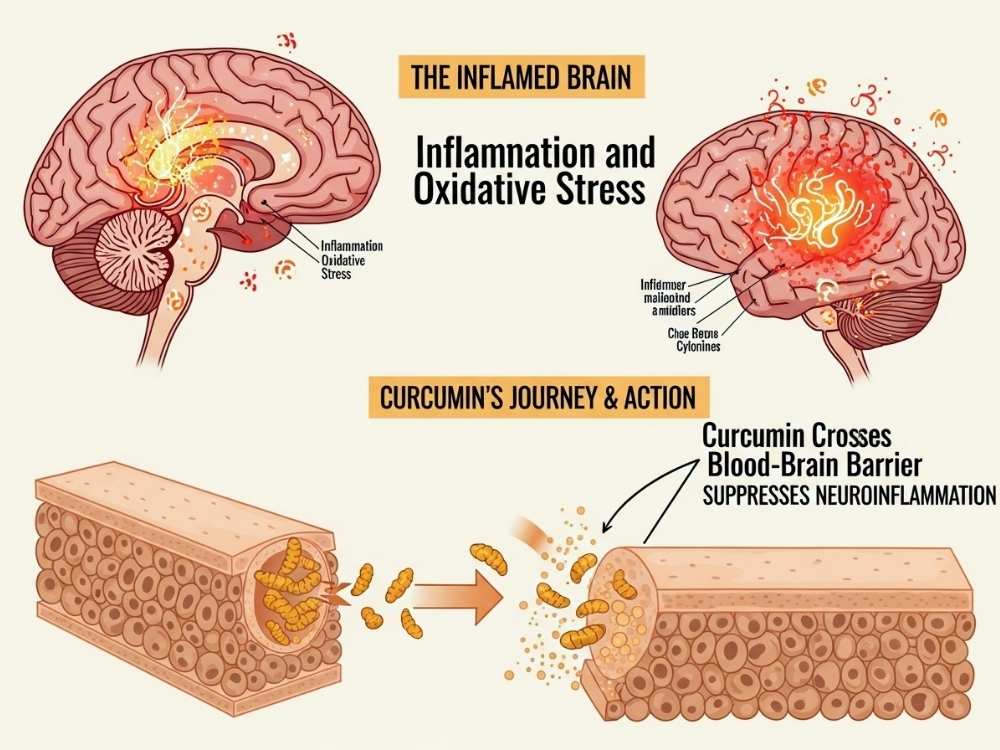
Curcumin also upregulates brain-derived neurotrophic factor (BDNF), a protein crucial for the growth of neurons and their synaptic plasticity. High BDNF levels are associated with augmented neurogenesis and increased cognitive performance, whereas low BDNF levels have been linked to depression and cognitive decline. Turmeric may help improve memory, learning ability and emotional stabilization by enhancing activity of BDNF.
Regular consumption of turmeric over the long term may diminish the buildup of beta-amyloid plaques, associated with Alzheimer’s disease. Although more clinical studies are required, the existing evidence points to a promising preventative potential.
🌹 Modulation of Immune System and Defence Against Infections
To maintain long-term health, an optimal level of immune activation is needed. Instead, turmeric has what is called an immunomodulating property – it balances immune function without exacerbating it. Curcumin increases antibody responses and modulates immune cell function, including macrophages and T cells.
It can boost immunity with its antibacterial, antiviral and antifungal properties. It helps to decrease the occurrence of minor infections and faster recovery by maintaining immune homeostasis.
In times of seasonal change or stress, turmeric-rich diets can aid with immune resilience. Which leads to prolonged health sustainability over the long haul.
🪷 Digestive Health and Liver Support
Gastrointestinal tract is critical in absorption of nutrients and elimination of toxins. Turmeric promotes liver bile production, which enhances fat digestion while alleviating bloating. It further promotes a healthy gut microbiota by limiting pathogenic bacterial development.
Hepatoprotective Properties of Curcumin protect liver cells from toxin-induced damage. Supports the liver and metabolic balance by enhancing detoxification enzymes. Maintaining a healthy liver is key to functioning well long-term and maintaining energy levels.
A person who eats turmeric regularly might find relief from indigestion, gastritis, and less severe inflammatory bowel conditions—an overall everywhere benefit to digestion.
💮 Running out of Ways to Sprinkle Some Turmeric Daily
Turmeric can easily be used in everyday life to maintain health over the long term. Turmeric powder can be added to curries, soups, lentils and vegetables for daily consumption. A home remedy for inflammation and immunity: one part turmeric tea, made with warm water, ginger and black pepper.
Golden milk, a spicy drink made with turmeric and warm milk, has traditionally been drunk before bed to help enhance relaxation and recovery. Turmeric can also be added to smoothies or availed in standardized curcumin capsules under a professional’s supervision.
Turmeric is best absorbed when combined with healthy fats like coconut oil or ghee. Moderate daily use is generally safe for healthy adults, but those who have gallbladder disease or take anticoagulant medications should check with their health care professionals before using it regularly and over the long term.
🏵️ Safety Considerations and Dosage Awareness
Turmeric is considered safe when used in food, but high-dose supplements should be taken with caution. High doses can lead to gastrointestinal upset or interfere with some medications. In clinical studies curcumin is used in a dose between 500 and 2000 mg/day as per health need.
Short-term supplementation with very high doses is useful for therapeutic effects, whereas long-term health maintenance at moderate levels is more sustainable using dietary-based food items. Balanced lifestyle habits such as healthy diet, physical exercise and stress management also improve the effects of turmeric.
🌱In Conclusion: An Organic Approach to Healthy Aging
Long-term health maintenance would be an evidence-based strategy by nature too – turmeric for general health and wellbeing. Its active compound curcumin exerts anti-inflammatory, antioxidant, cardioprotective, neuroprotective and immunomodulatory effects. Turmeric contains anti-inflammatory and antioxidant properties that support cellular health, while increasing metabolic function.
Turmeric is easy to add to daily meals or drinks, making it a simple, effective preventive health-care tool. In conjunction with a healthy lifestyle turmeric can act as a remedy and supportive health solution to maintain vitality, proactive aging and prevent diseases as we grow older. The full range of therapeutic benefits is still being investigated, but many lines of evidence already point to its critical role in promoting long-term human health.