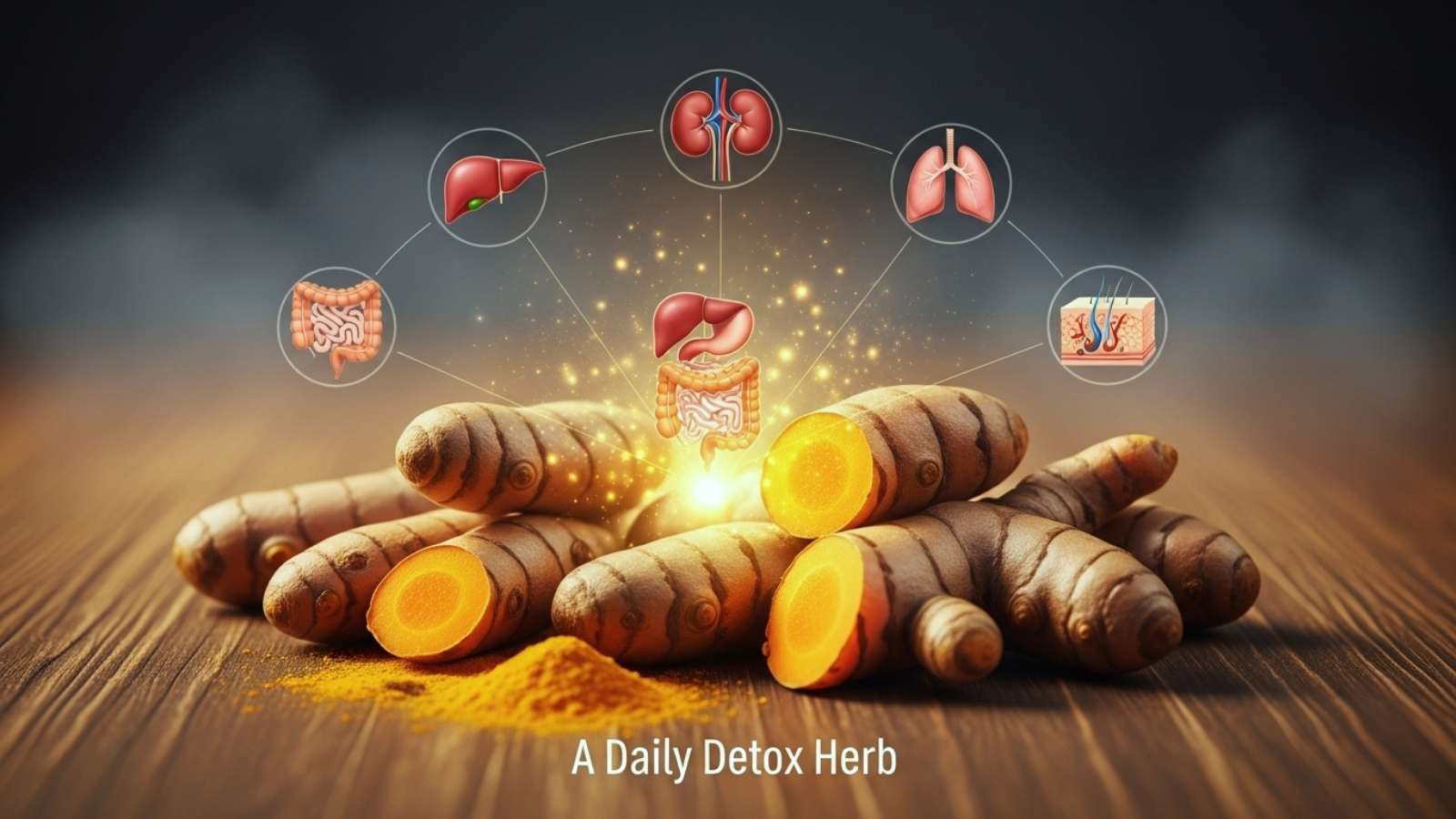
Developing global interest in turmeric as a daily detox herb has arisen from its benefits to the liver, digestion, and protection against toxic damage. Turmeric (Curcuma longa) is a rhizomatous herbaceous perennial flowering plant belonging to the ginger family, Zingiberaceae. It has been traditionally used for thousands of years in systems such as Ayurveda and Traditional Chinese Medicine. Today, much of its traditional usage is supported by modern biomedical research, particularly in the areas of detoxification and antioxidant protection.
“Detox” in humans mainly refers to the natural process through which our body neutralizes and gets rid of toxins through the organs like liver, kidneys, intestines, lungs and skin. Turmeric assists these systems at the molecular level. Its bioactive constituents exert antioxidant, anti-inflammatory, and liver enzyme enhancing activity. It has been attributed for these actions is the reason why turmeric as a daily detox herb has gained great popularity in nutritional science and preventive health.
Active Compounds Responsible for Detoxification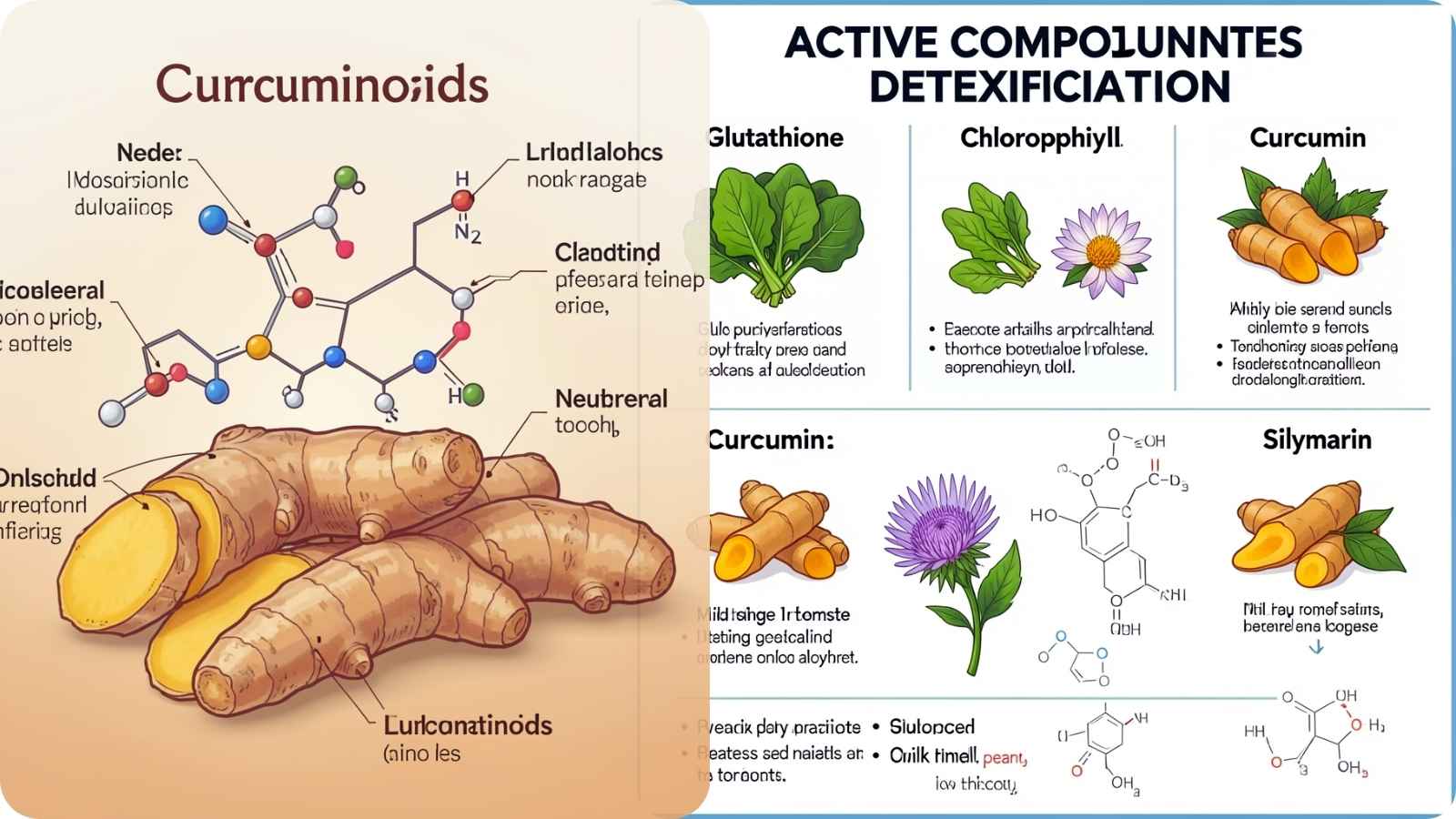
Much of what we hear about turmeric as a health food is attributed to a class of bioactive polyphenols, called curcuminoids. One of the most studied compounds is curcumin (diferuloylmethane). The other major curcuminoids are demethoxycurcumin and bisdemethoxycurcumin. Of these agents, curcumin is seen as the main pharmacologically active molecule.
Curcumin is a potent antioxidant, anti-inflammatory, hepatoprotective and chemoprotective agent. It acts as a scavenger for free radicals including reactive oxygen species (ROS) and reactive nitrogen species (RNS). These reactive molecules are generated in the body during metabolism and exposure to pollutants, processed food, pesticides and heavy metals. An imbalance in ROS generation results in oxidative stress, that can affect lipids, proteins and DNA.
Turmeric is also rich in volatile oils like turmerone, atlantone and zingiberene. These compounds are responsible for anti-inflammatory and antimicrobial effects. Turmeric’s overall detox ability is amplified when synergies between these two components – curcuminoids and volatile oils exist. Together, this makes turmeric a great detox herb for daily use compared to compounds taken in isolation.
We don’t have a lot of solid research on turmeric and liver detox yet, but some does show that it plays a role in supporting the liver’s detox pathways.
The liver is the hub of detoxifying organs. The liver detoxifies toxins in two primary phases called Phase I and Phase II detoxification. Phase I toxins: Cytochrome P450 enzymes convert them into intermediate metabolites These metabolites tend to be more reactive. Phase II detoxification then couples these metabolites with molecules like glutathione, sulfate, or glucuronic acid to render them water soluble for excretion.
Curcumin influences both phases. It stimulates cytochrome P450 enzyme activity and boosts Phase II conjugation enzymes (glutathione-S-transferase (GST)). Studies demonstrate curcumin elevates intracellular levels of glutathione. Glutathione is referred to as a “master antioxidant” because it neutralizes toxins and aids in immune defense.
Turmeric protects hepatocytes against toxic injury by increasing glutathione synthesis and attenuating lipid peroxidation in liver cells. Research in experimental models says turmeric reduces liver damage from alcohol, acetaminophen and environmental toxins. This hepatoprotective action is one of the reasons why turmeric as a daily detox herb is frequently recommended for long-term liver health.
Anti-Inflammatory and Antioxidant Mechanisms
Chronic inflammation has a close relationship with toxin accumulation and metabolic disorders. Curcumin inhibits nuclear factor-kappa B (NF–κB), a transcription factor that regulates cytokines in the inflammatory response, including tumor necrosis factor-alpha and interleukin–6. Turmeric reduces systemic inflammation by downregulating those pro-inflammatory mediators.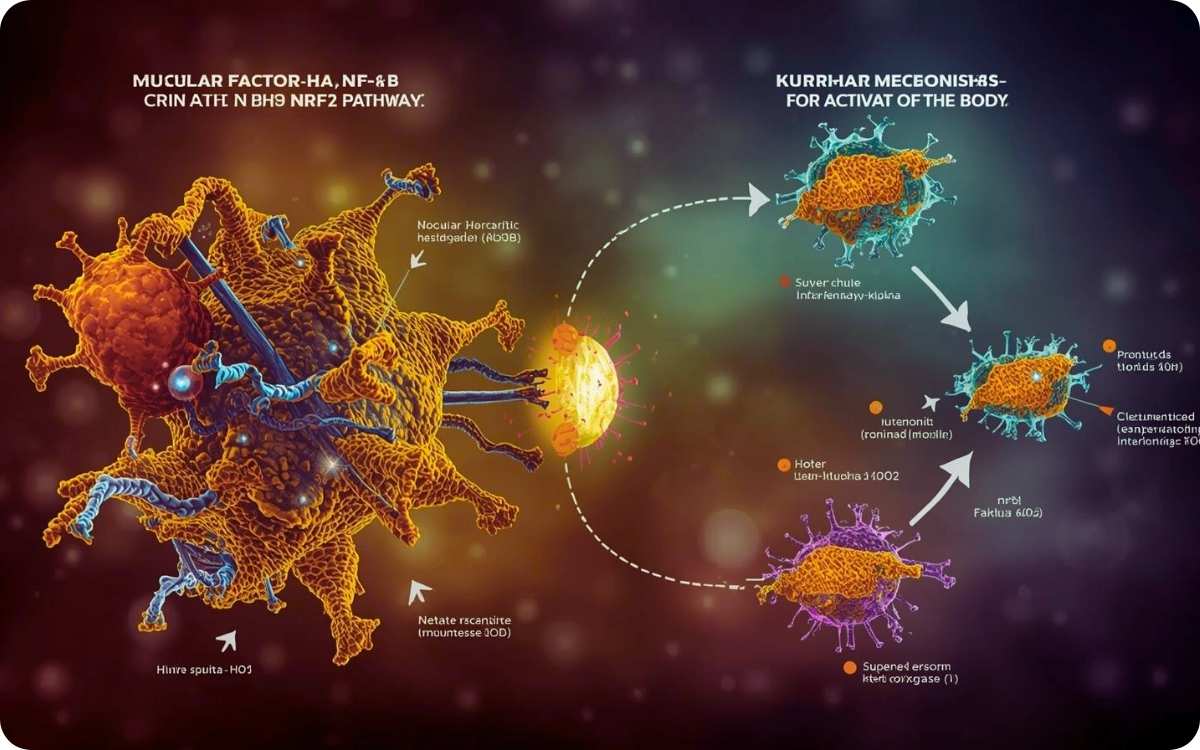
Targeting antioxidants: At the same time, curcumin activates the Nrf2 (nuclear factor erythroid 2–related factor 2) pathway. Nrf2 is crucial in mediating cellular oxidative stress and antioxidant response. Upon activation, Nrf2 increases the expression levels of antioxidant enzymes including superoxide dismutase (SOD), catalase and heme oxygenase-1 (HO-1). These enzymes help protect cells from oxidation damage.
The combination of blocking inflammatory pathways and stimulating antioxidant defense make turmeric a superb daily detox herb. It doesn’t just get rid of toxins; it enhances the body’s natural protective systems at both genetic and molecular levels.
Turmeric and Digestive Detox Support
Bile secretion and bowel movement are important for the detoxification process and elimination of toxins. Turmeric promotes bile storage in the gallbladder. Bile assists in digesting fats and eliminating fat-soluble toxins from the body.
Curcumin also promotes gut barrier integrity due to its anti-inflammatory effects on the intestines. Its byproducts feed healthy gut microbiota, which are responsible for detoxification. Unhealthy bacteria release endotoxins like lipopolysaccharides (LPS) that contribute to greater inflammation and liver load. Loves Turmeric- “Great for Tissue Healing” (A Naturally Occurring Anti-Inflammatory) Turmeric reduces LPS-induced inflammation and helps maintain intestinal health.
Turmeric is known to help improve digestion and easier, less bloated bowel movements which most individuals who intake on a regular basis will tell you. These experiential advantages illustrate how turmeric as a daily detox herb benefits not just the liver, but the whole gastrointestinal tract.
Scientific Evidence and Clinical Observations
Many preclinical and clinical studies support the detoxing benefits of turmeric. Currently, there is evidence suggesting that curcumin supplementation decreases oxidative stress markers and increases liver function parameters in NAFLD patients from clinical trials. In such patients, alanine aminotransferase (ALT) and aspartate aminotransferase (AST) levels often drop following curcumin administration.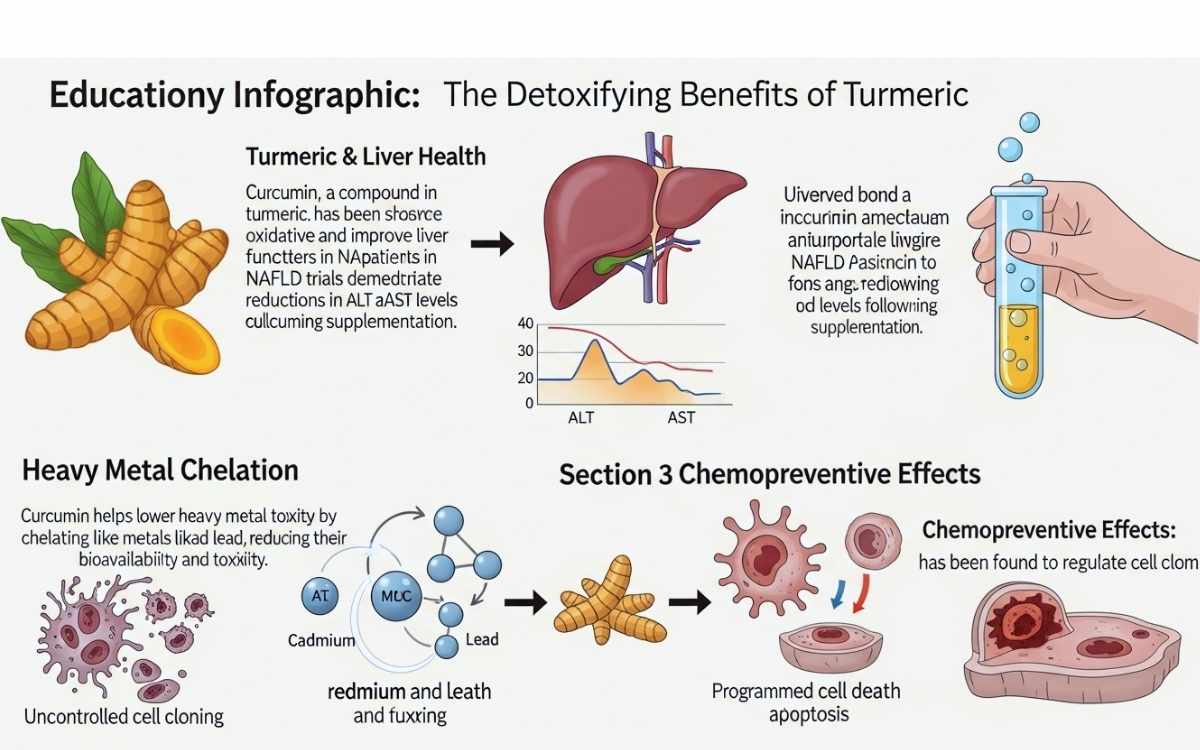
Studies also show that curcumin lowers heavy metal toxicity, chelating metals like cadmium and lead. The complexation of these metals reduces their bioavailability and toxicity. Moreover, curcumin has been found to have chemopreventive effects by regulating cell cloning and programmed cell death.
While turmeric cannot take the place of medical detoxification, particularly in poison cases, scientific literature does support its inclusion as a supportive dietary herb for everyday detox and metabolic balance.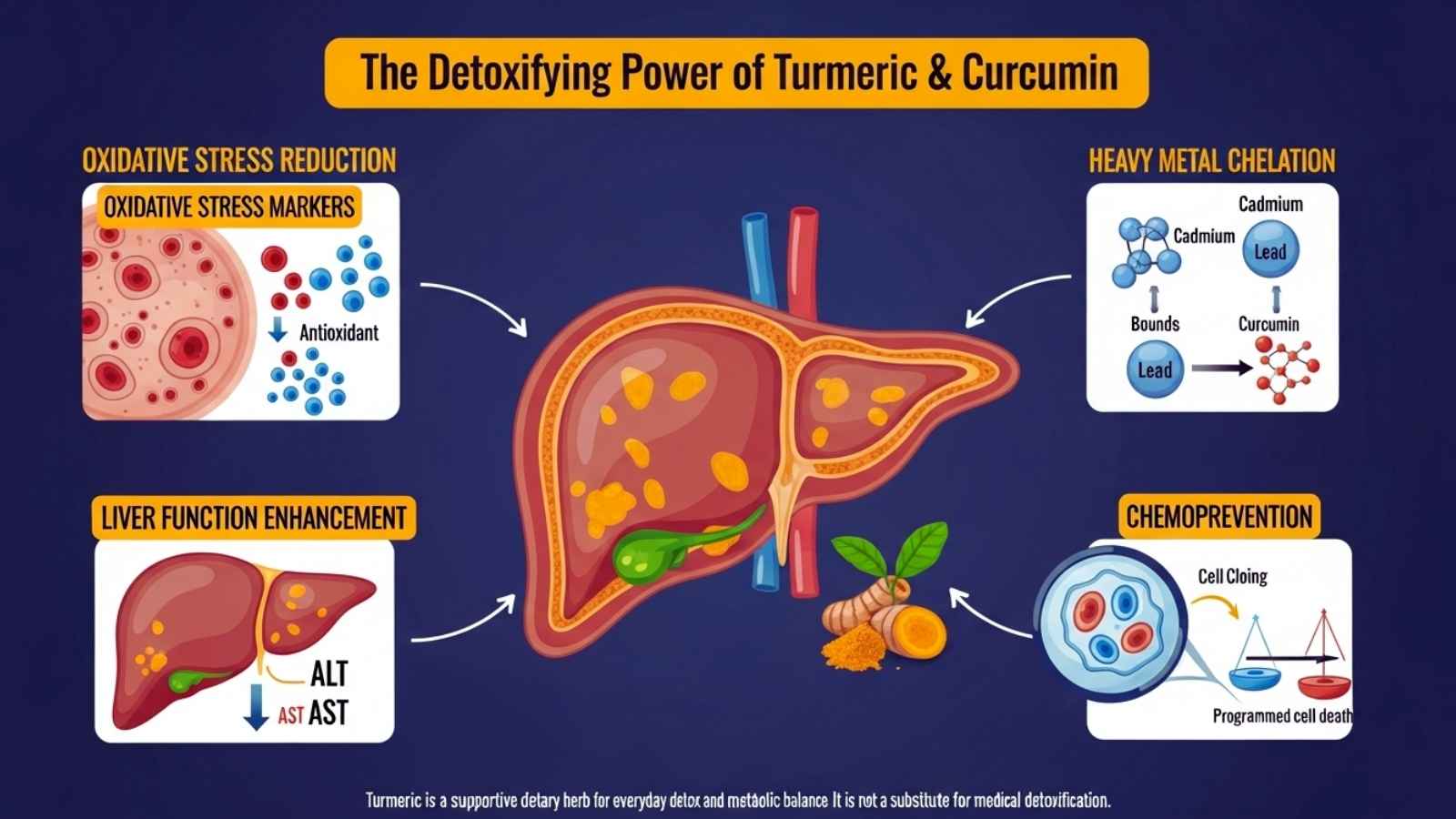
How to Start Using Turmeric on a Daily Basis
Daily detox herbs such as turmeric do not need elaborate processes. For most homes, turmeric powder is never missing from curries, soups, rice dishes and lentils. This synergistic effect of turmeric and black pepper due to the piperine, an alkaloid present in black pepper, increases the bioavailability of curcumin by inhibiting its hepatic metabolism.
Golden milk, a popular detox drink made by stirring turmeric into warm milk along with just a pinch of black pepper, Some prefer turmeric tea prepared by boiling fresh turmeric root in water. Standardized curcumin supplements are available for therapeutic use but should be taken under professional guidance.
In daily life, small frequent doses are better than occasional high doses. In traditional diets, turmeric powder is used 1 to 3 grams per day. This daily intake assists natural antioxidant defence and liver function.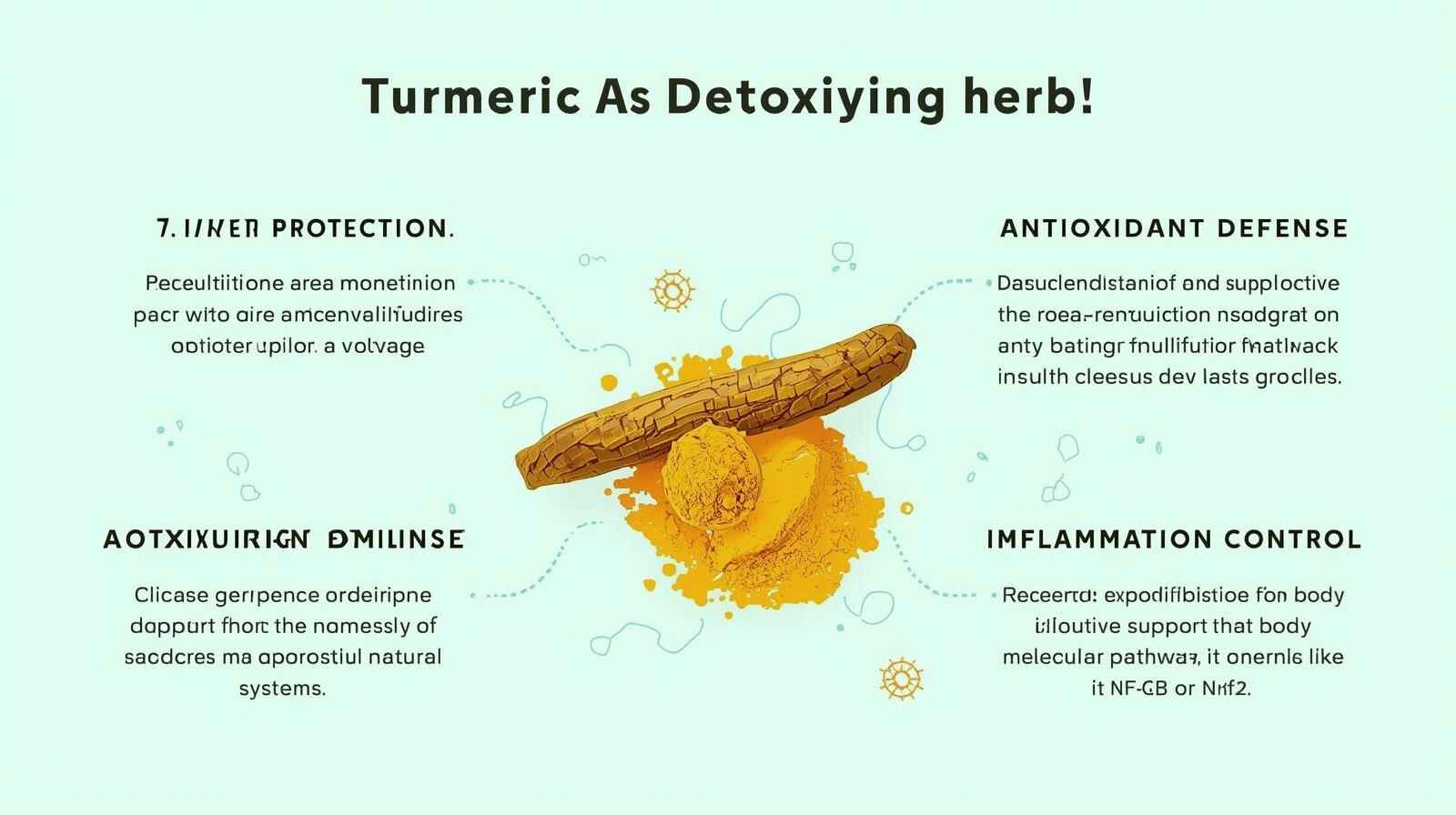
Safety, Bioavailability, and Considerations
Low bioavailability as a consequence of poor absorption, rapid metabolism, and fast excretion is one of the limitations associated with curcumin. To counter this, formulations combining piperine, phospholipid complexes and nanoparticles were developed. But regular culinary turmeric still offers health benefits.
For most people, turmeric is safe in food amounts. It can potentially lead to some gastrointestinal upset in certain individuals at higher doses. People with gallbladder disease or who take anticoagulant medicines should talk to their health care professionals before using high-dose supplements.
As a daily detox herb, turmeric is most effective when integrated into a lifestyle that promotes hydration, regular access to fiber-rich foods, physical activity and minimal exposure to environmental toxins.
Conclusion
Turmeric is another daily detox herb with established scientific grounding as to its benefits of liver protection, antioxidant defense, inflammation control and digestive help. The primary active compound, curcumin, along with other curcuminoids and volatile oils, interacts with molecular pathways like NF-κB and Nrf2. Through these interactions, the body’s natural detoxification systems are supported instead of being chemically coerced into artificial cleansing.
Tossing turmeric into daily food is an easy, practical, economical approach to help keep us healthy long term. Although it is not, by any means a cure all, turmeric regularly supports metabolic equilibrium and protects the body from toxic stress. Now, for those interested in a natural, research-based approach to everyday detoxification turmeric remains one of the most valuable herbs in modern nutritional science.