
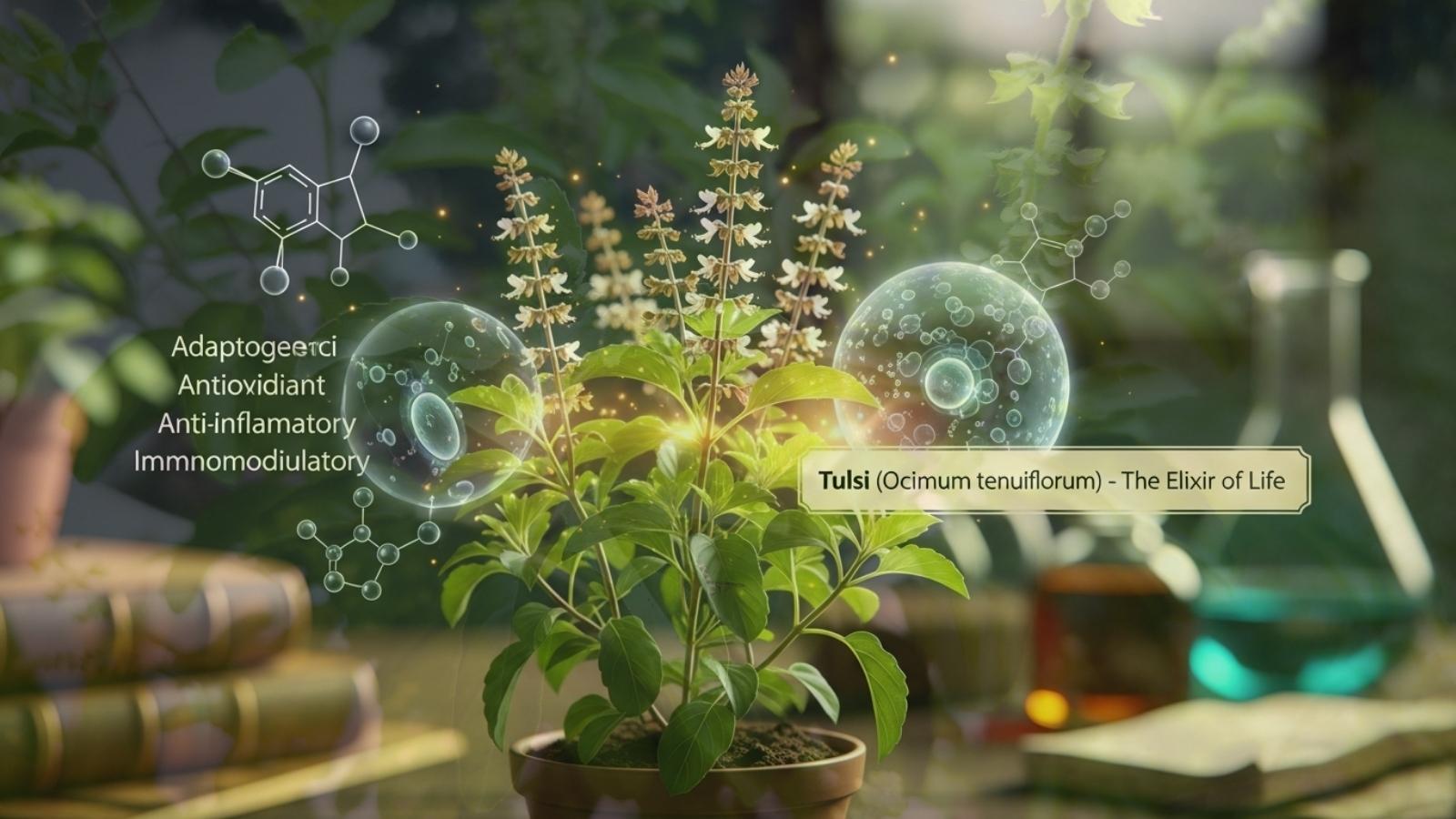
A well-known medicinal plant in traditional systems of medicine, including Ayurveda, Ocimum tenuiflorum is commonly referred to as Tulsi or Holy Basil. For thousands of years, Tulsi has been classified as a “rasayana” herb, a category of botanicals that promote general well-being, vitality, and longevity. Tulsi is garnering recognition in the contemporary scientific literature for its adaptogenic, antioxidant, anti-inflammatory, immunomodulatory, and metabolic properties. The potential of tulsi to promote longevity has been demonstrated through pharmacological and clinical trials, in addition to its common use in religious ceremonies.
Tulsi contains a diverse array of phytochemicals, including eugenol, ursolic acid, rosmarinic acid, apigenin, luteolin, carvacrol, and numerous flavonoids and phenolics. These bioactive molecules have multi-point effects of action at the molecular and cellular levels. It has been proposed that the chronic consumption of Tulsi leaves may serve as an effective method of combating the pathological processes previously mentioned, which can indirectly lead to a multitude of contemporary lifestyle diseases.
Mode of Action and Composition of the Phytochemicals
The diverse phytoconstituents of the Tulsi stem are responsible for its therapeutic potential. Eugenol, one of its primary volatile oils, has been demonstrated to possess anti-inflammatory and antimicrobial properties by inhibiting cyclooxygenase (COX) pathways and modulating pro-inflammatory cytokines such as TNF-alpha and interleukin-6. By regulating the expression of antioxidant enzymes and lipid metabolism, ursolic acid plays a role in hepatoprotection, antihyperlipidemic action, and metabolic modulation.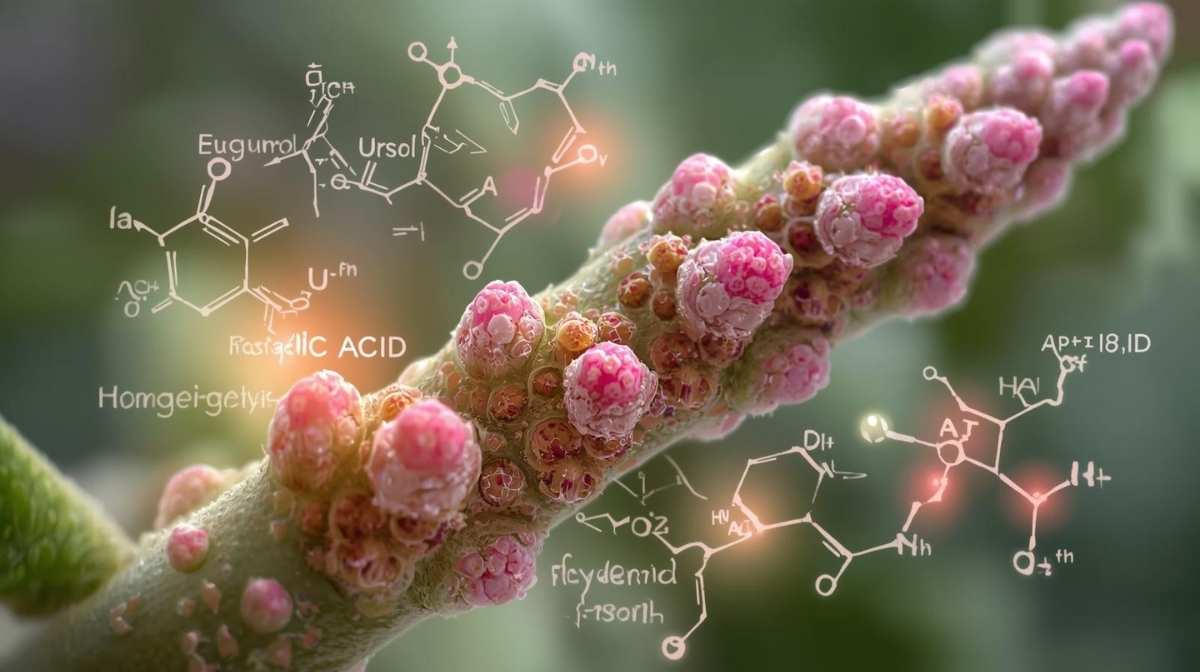
Rosmarinic acid and flavonoids (homoeriodictyol, apigenin) are potent antioxidants. These elements scavenge ROS to reduce oxidative stress, a significant factor in the development of cellular senescence, neurodegeneration, cardiovascular disease, and metabolic syndrome. Tulsi is also an adaptogen for protracted stress due to its effects on the hypothalamic-pituitary-adrenal (HPA) axis. Tulsi influences stress-related cellular proteins, including heat shock protein 70, and moderates cortisol levels in physiologically agitated states.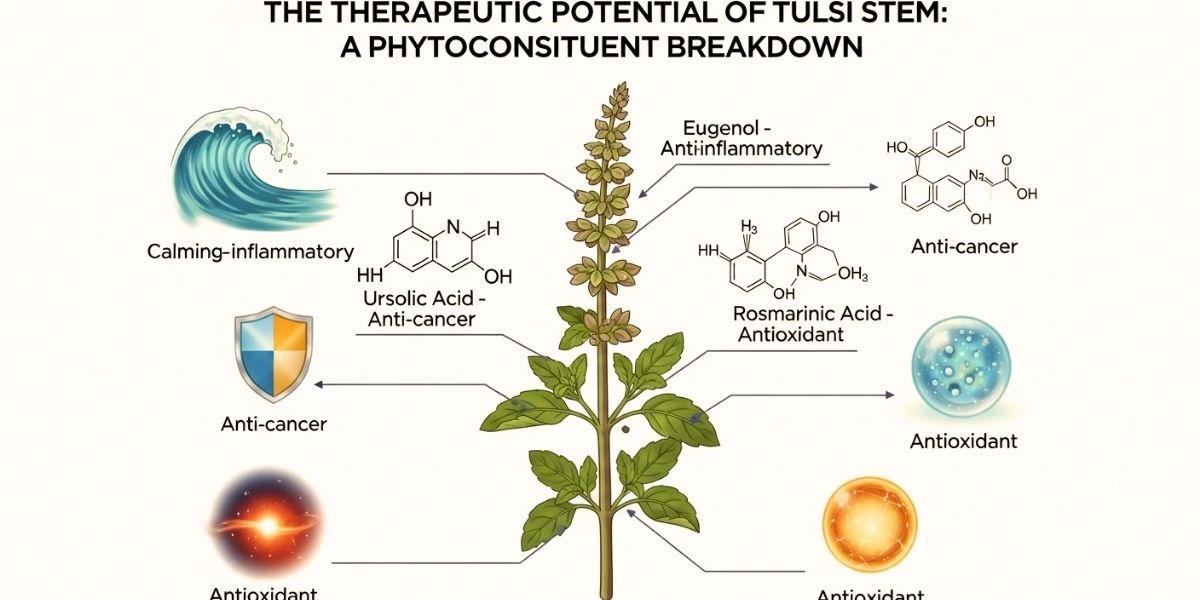
This broad spectrum of action renders Tulsi particularly well-suited for daily use as a preventive healthcare product, rather than solely for the treatment of acute conditions.
Tulsi for the Protection Against Infection and the Modulation of the Immune System
Common Applications There are numerous practical, everyday applications for tulsi, but immune system support is one of the most critical. Recent research has also demonstrated that Tulsi can enhance the responsiveness of humoral and cell-mediated immunity to S. inflexa. It also improves the function of macrophages, T-helper cells, and natural killer (NK) cells, which aids in the body’s ability to combat infections.
Antiviral, antibacterial, and antifungal properties are present in tulsi. Eugenol and other phenolic compounds disrupt the replication process and modify the membranes of microbial cells. The potential to prevent common respiratory illnesses and seasonal infections is present through the enhancement of mucosal immunity through gateway control through the daily consumption of tulsi tea and/or an infusion of fresh tulsi leaves.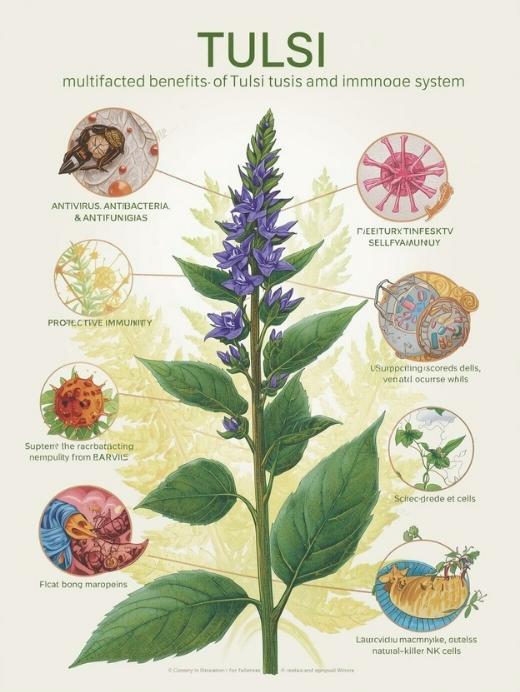
The elicitation of sustained immune homeostasis is not through stimulation but rather through modulation. Tulsi possesses immunomodulatory properties, which enable it to either stimulate an immune response in the event of suppressed immunity or reduce the activity of excessively active immune responses during inflammatory disorders. This dual action is especially suitable for chronic inflammatory and autoimmune conditions, in which immune regulation is essential for the preservation of overall health.
Antioxidant and Antiinflammatory Properties for the Prevention of Chronic Disease
Cardiovascular diseases, arthritis, type 2 diabetes, and neurodegenerative diseases are all characterized by low-grade chronic inflammation. The anti-inflammatory effects of tulsi are attributed to the inhibition of enzymes associated with inflammation, the suppression of the NF-kB signaling pathway, and the downregulation of pro-inflammatory mediators.
Oxidative stress also exacerbates chronic infection, as previously mentioned. Tulsi enhances host defenses by upregulating “natural killer (NK) cells, killer T-lymphocytes, and cytotoxic macrophages” due to its immunomodulatory and antioxidant properties. The antioxidant effect of Tulsi appears to be mediated by the burden reduction on the system defense mechanism or the removal of deleterious effects resulting from free radicals/H₂O₂ emitted during the immune response. Tulsi also mitigates the risk of DNA mutation and the damage to cells caused by chronic disease or aging by restoring redox balance.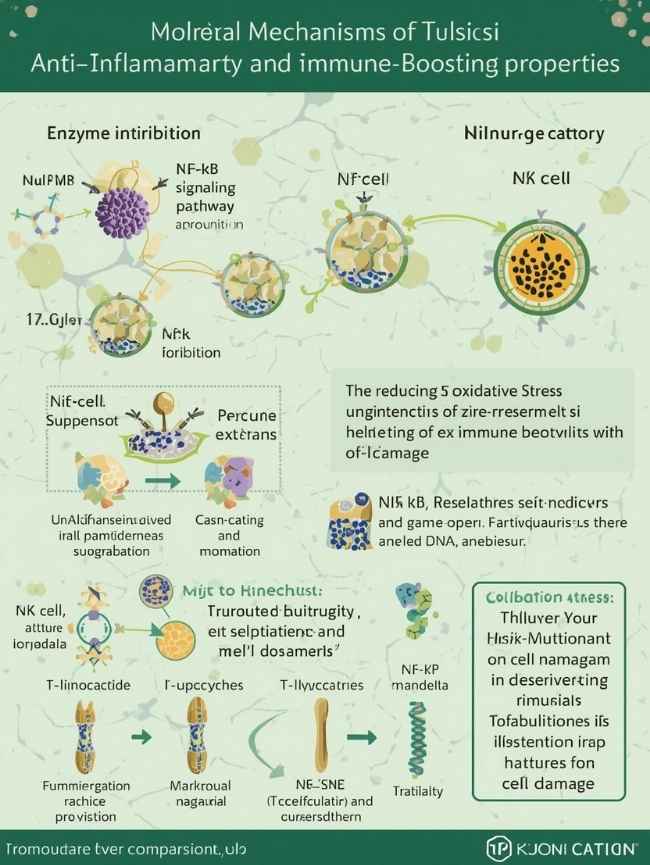
Tulsi can be used as a morning botanical infusion during routine activity to prevent cumulative oxidative stress. The cumulative effect of this ongoing antioxidant reinforcement may be to safeguard against chronic disease and to promote overall health and vitality.
Cardiovascular Health and Tulsi
Oxidative stress, lipid metabolism, endothelial vascular reactivity, and blood pressure control mechanisms are all intricately linked to cardiovascular function. There are numerous methods by which Tulsi promotes cardiac health. Ursolic acid, in addition to other triterpenoids, can also reduce serum cholesterol levels, including total cholesterol, LDL-cholesterol, and triglycerides. Simultaneously, tulsi can elevate HDL levels, which contributes to a healthier lipid profile.
Tulsi also improves endothelial function by increasing the bioavailability of nitric oxide (NO), which results in enhanced circulation and vasodilation. If consumed as part of a healthy lifestyle, its mild hypotensive effect may be beneficial for individuals with hypertension. Tulsi contains certain compounds that function as blood thinners, thereby preventing the formation of aberrant clots and exhibiting anti-platelet activity.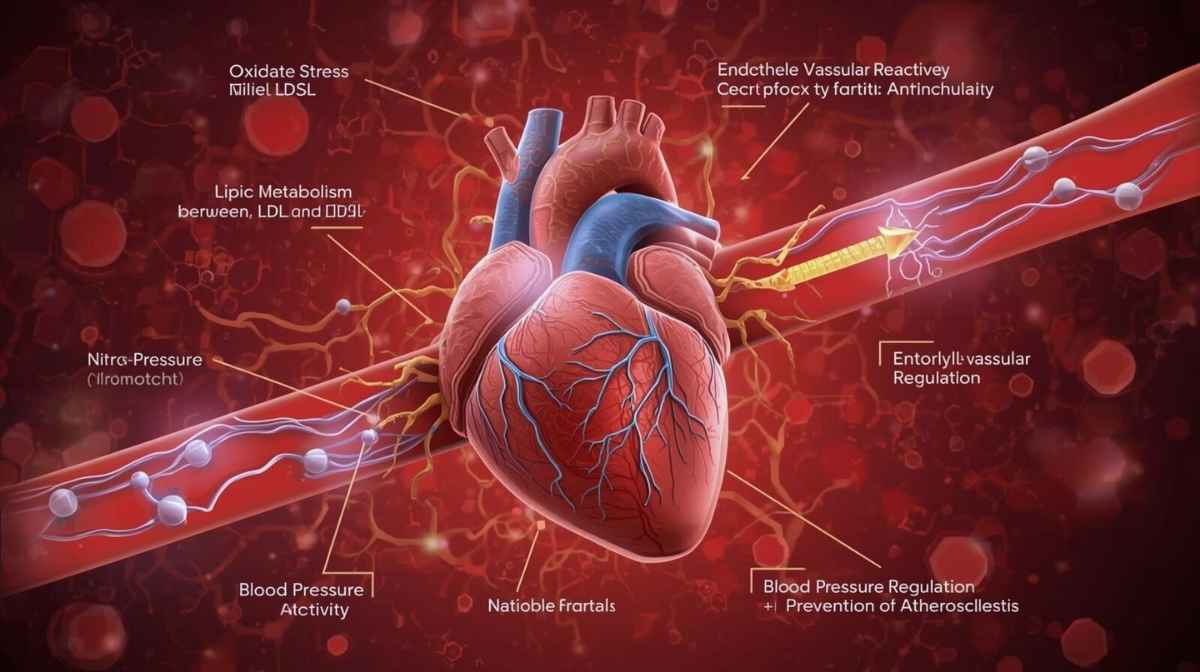
The tonic effect on the heart and arteries, as well as the prevention of the deleterious effects of age-related atherosclerosis, may be beneficial to long-term daily use, particularly in tea or standardized extract preparations.
Metabolic Homeostasis and Glucose Metabolism
Insulin resistance and metabolic syndrome are significant public health issues that affect the entire globe. Tulsi induces hypoglycemic effects by increasing insulin secretion, enhancing peripheral glucose utilization, and inhibiting hepatic gluconeogenesis. The literature from animal and human studies indicates that the daily consumption of Tulsi extract may decrease the fasting blood glucose level and glycemic control in individuals with type 2 diabetes.
Tulsi’s regulation of the enzymes involved in glucose metabolism may have an impact on carbohydrate metabolism. Its antioxidant activity safeguards pancreatic beta cells from oxidative stress, thereby preserving the pancreas’ insulin-secretory capacity.
In conjunction with diet control and exercise, Tulsi tea may be beneficial for reducing blood sugar fluctuations when consumed before or after meals in daily life. This renders tulsi a supportive herb for the long-term preservation of metabolic health.
Stress Reduction and Adaptogenic Effects
Hormonometabolic equilibrium, immune status, and metabolism are all influenced by perennial psychogenic stress. Tulsi is frequently classified as an adaptogen, which implies that it enhances the body’s resilience to stressors while concurrently regularizing its functions. Adaptogenic botanicals regulate the HPA axis and cortisol output.
The clinical evidence indicates that the use of tulsi supplements can ameliorate symptoms of mild to moderate depression, fatigue, and generalized anxiety. Tulsi thus promotes cognitive clarity and emotional stability by balancing oxidative stress in the brain and promoting neurotransmitter pathways.
Tulsi can be used as a nightly ritual to maintain mental resilience, such as in the form of a herbal tea or a powdered leaf blended with warm water. It is anticipated that the risk of stress-induced diseases, including hypertension, metabolic disorders, and immune suppression, will be reduced by the regulation of stress by natural adaptogens.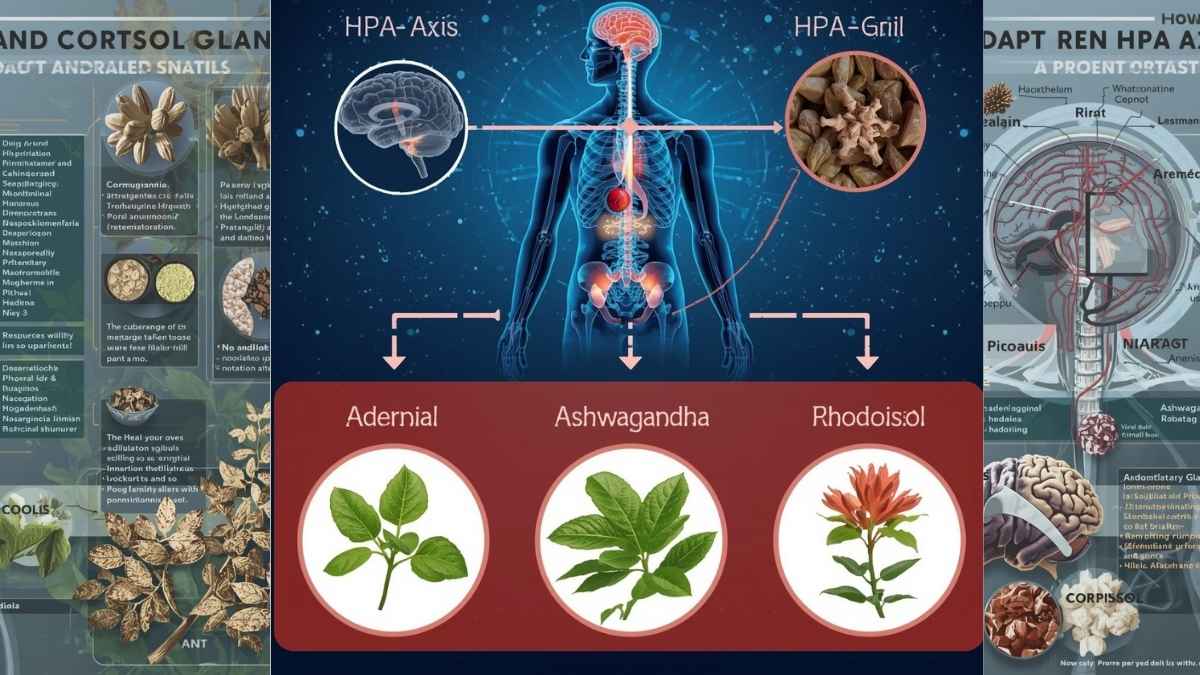
Pulmonary Health and Respiratory Support
Tulsi has been utilized for a long time to alleviate coughs, bronchitis, and asthma. Its anti-inflammatory, bronchodilator, and antimicrobial properties contribute to the preservation of a healthy respiratory system. Eugenol acts as a gentle expectorant, clearing mucus from air passages, while inflammatory compounds aid in the reduction of inflammation within the bronchial airways.
The immunity of the respiratory mucosa to pathogen invasion through the air may be enhanced by the frequent consumption of Tulsi decoction. Lastly, the antioxidant properties of Tulsi may provide additional protection against oxidative injury in the lung tissue caused by particulate matter for individuals residing in polluted urban areas.
Tulsi may provide daily respiratory support, which may contribute to the development of lifelong pulmonary resilience, particularly when it is isolated from environmental pollutants and smoking.
Cognitive and Neuroprotective Advantages
Chronic inflammation, oxidative stress, and neurodegenerative disease. Even in neural tissue, tulsi’s antioxidant and anti-inflammatory properties could safeguard neurons from excitotoxicity and oxidative stress. Neuroprotective effects have been observed in the animals during preclinical trials, as evidenced by improved memory and decreased neuroinflammation.
Neurotransmitters are activated by substances such as apigenin, which also enhances synaptic plasticity. Tulsi may enhance cognitive function, even in stressful situations, when administered consistently. Although additional, more extensive human trials are necessary, there is presently evidence that suggests it is a brain health-promoting herb.
Tulsi may be consumed as tea during periods of anxiety or cognitive overload to enhance concentration and alleviate mental fatigue in the long term.
Microbial Balance and Gastrointestinal Health
Additionally, Tulsi is a potent antimicrobial and anti-inflammatory agent that promotes digestive health. It may be beneficial to regulate the intestinal flora by inhibiting harmful microbes and by promoting the activity of unique digestive enzymes. It is carminative, which means that it alleviates moderate digestive issues and bloating.
Long-standing gastrointestinal problems may result in nutrient malabsorption and a decline in overall health. Tulsi may promote improved gut barrier integrity by reducing intestinal inflammation and oxidative stress. Immune health, metabolic balance, and overall wellness are all facilitated by a healthy intestinal ecology.
Tulsi-infused water offers numerous health advantages. The digestive system can be kept clear and the body free from pathogens that cause illness through the consistent consumption of Tulsi water.
It is both practical and secure for daily use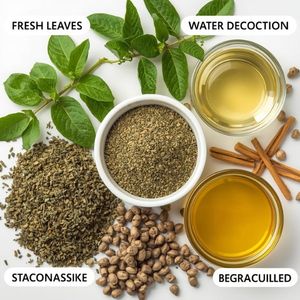
Tulsi is consumed daily in the form of fresh leaves, water decoction, herbal tea, granules, or standardized extracts. Moderate daily consumption is likely to be harmless for the majority of individuals. Nevertheless, healthcare providers should provide guidance to pregnant women, individuals who take anticoagulant medications, and those living with chronic health conditions before they begin taking it on a regular basis.
Tulsi is most effective when incorporated into a healthy lifestyle that encompasses stress management, reasonable nutrition, exercise, and adequate sleep for long-term health maintenance. It is effective as a preventative measure when used consistently, rather than intermittently.
Conclusion: Tulsi, the Preventative Health Friend
Tulsi is one of a kind, or rather, one in a billion. Despite the fact that there are approximately 7.4 billion individuals on Earth, this herb is distinguished by its profound influence on global health and well-being. Tulsi is a tonic that safeguards and revitalizes all of the body’s systems. It disseminates its chilling effect throughout the system. Tulsi not only fosters a sense of well-being but also promotes wholesome, balanced health. Over 90% of the medical literature lists tulsi as one of the most effective adaptogens, which increases resistance to stress. Its multifaceted action is also consistent with the current understanding of chronic disease prevention: a systems approach rather than the indirect suppression of an isolated symptom.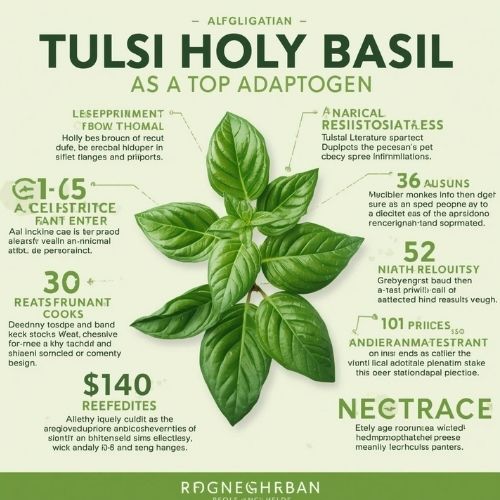
The incorporation of Tulsi into daily life as a straightforward herbal infusion or acculturated supplement has the potential to make a practical, evidence-based contribution to the preservation of long-term health. Tulsi is an invaluable botanical companion for promoting the preservation of vitality, well-being, and resilience throughout the lifespan as its pharmacodynamics and clinical utility continue to develop.