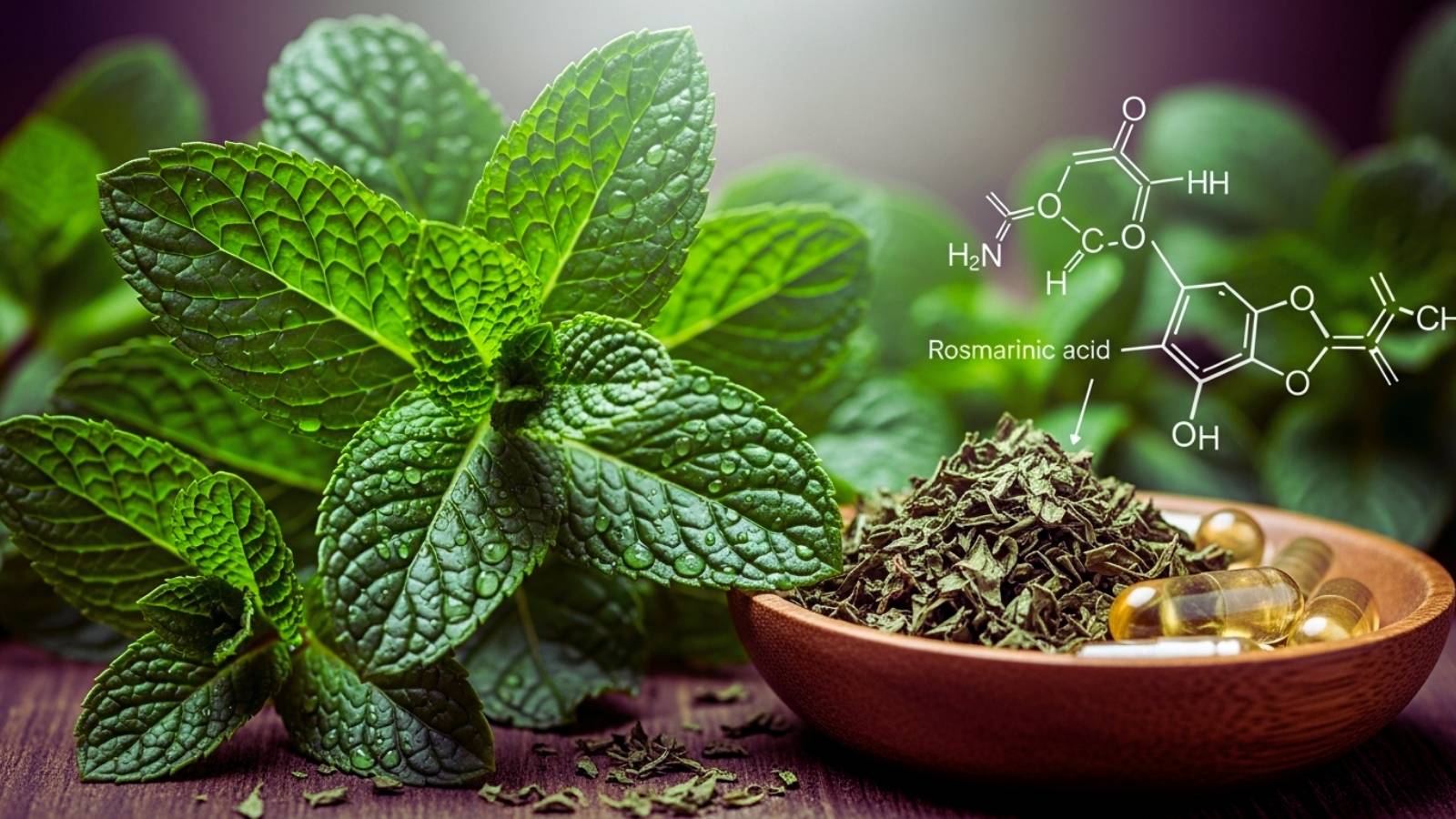
For hundreds of years, people have loved peppermint (Mentha × piperita) as one of nature’s most powerful herbal medicines. Peppermint is still an important part of both traditional and modern phytotherapy because of its refreshing smell, cooling effect, and high therapeutic value. Its leaves have a wide range of biologically active compounds, such as menthol, menthone, menthyl acetate, limonene, and rosmarinic acid, that work together to improve human health. Today, peppermint is used a lot to help with digestion, headaches, skin care, and breathing and as an antimicrobial agent. This article looks at the science behind peppermint’s natural healing power and gives evidence-based tips that can help you feel better every day. Peppermint is a natural remedy that has been used for a long time and has been shown to work by science. It can provide relief from indigestion, headaches, and skin problems.
🌿 The Science Behind Digestive Comfort: Peppermint and Indigestion Relief :
When digestive enzymes, gastric motility, and gut function don’t work right, it’s called dyspepsia. Peppermint is known around the world as a natural way to treat indigestion because it has strong carminative, spasmolytic, and cholagogue properties. Menthol, the main bioactive compound, works on the calcium channels in the walls of the intestines to relax the smooth muscles of the gastrointestinal (GI) tract. When these channels are controlled, the muscles in the intestines stop contracting too much, which helps with spasms, bloating, and stomach pain. This is why peppermint oil is used in medicine for functional dyspepsia and irritable bowel syndrome (IBS).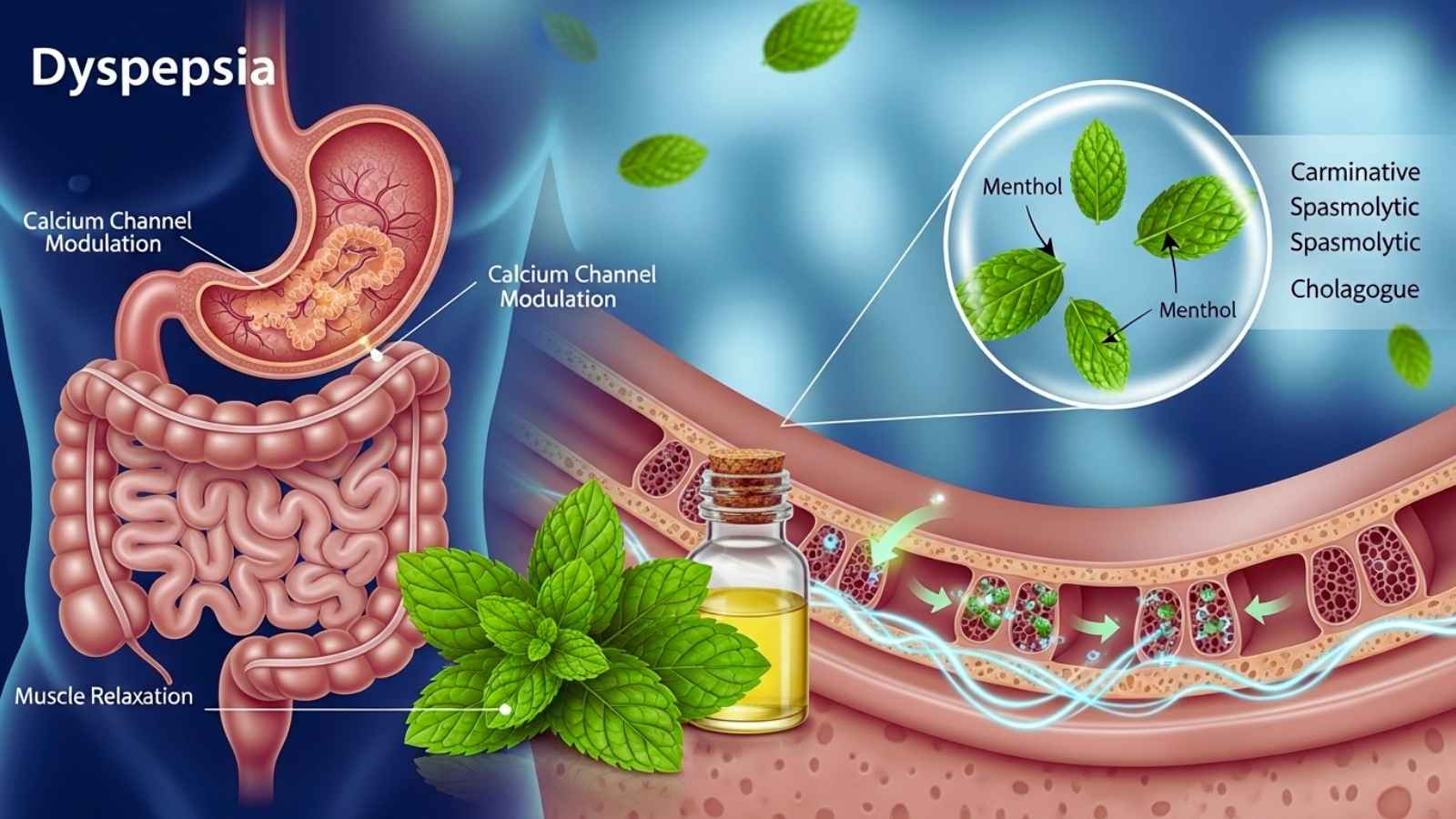
Peppermint leaf extract also helps the gallbladder release more bile, which helps break down fats and stops the heaviness that comes after eating oily foods. Peppermint helps food move through the digestive system smoothly by speeding up gastric emptying. This stops fermentation and gas buildup. Several clinical studies show how enteric-coated peppermint oil capsules work. They ensure that menthol travels to the intestines instead of breaking down too soon in the stomach. This controlled release provides the most relief from heartburn, constipation, and IBS-related pain.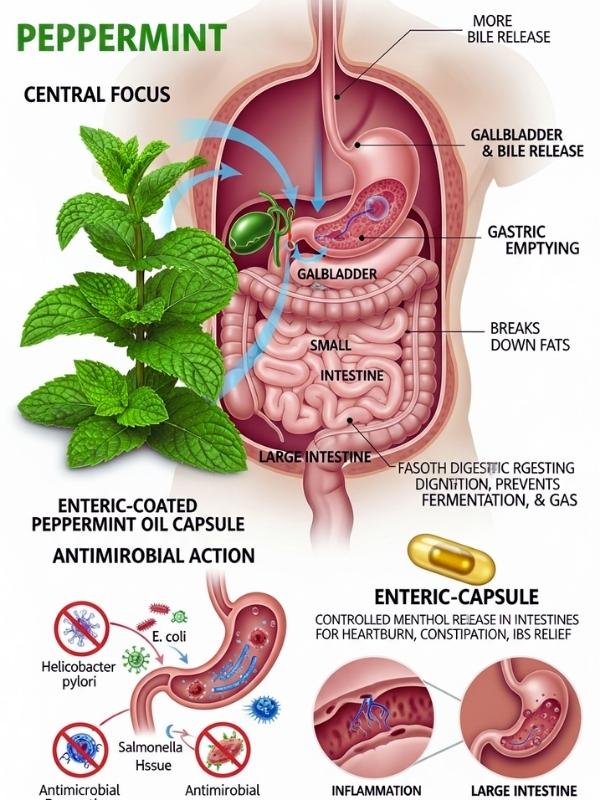
Peppermint’s antimicrobial properties help keep the digestive system healthy by keeping pathogenic bacteria like Helicobacter pylori, Escherichia coli, and Salmonella species in check. These bacteria are often to blame for infections that cause gastritis and diarrhea. The high amounts of antioxidants, particularly rosmarinic acid, reduce swelling in the stomach lining, which helps with long-term acidity and speeds up the healing of the stomach’s protective layer. Because it can help with nausea, peppermint is a great herbal choice for motion sickness, morning sickness, and digestive problems caused by stress. Peppermint is still a strong, natural solution for many digestive problems in these different ways.
🍃 Peppermint acts as a natural painkiller for headaches in several ways :
Stress, muscle tension, inflammation, dehydration, sinus pressure, and problems with the nervous system and blood vessels can all cause headaches. Peppermint, especially peppermint essential oil, is a quick, natural, and scientifically proven way to get rid of headaches.  Menthol is a compound that works as a counterirritant by stimulating the skin’s cold receptors and making you feel cooler, which makes the pain less noticeable. Menthol activates TRPM8 receptors, which makes the area feel numb and relieves muscle tension.
Clinical studies have shown that applying peppermint oil to the forehead and temples can help with tension headaches in the same way that acetaminophen (paracetamol) does. The oil helps the blood vessels in the head open up and relax, which improves blood flow and lowers neurogenic inflammation. Its natural ability to open blood vessels and stop spasms relaxes the muscles in the neck and scalp, which can cause headaches.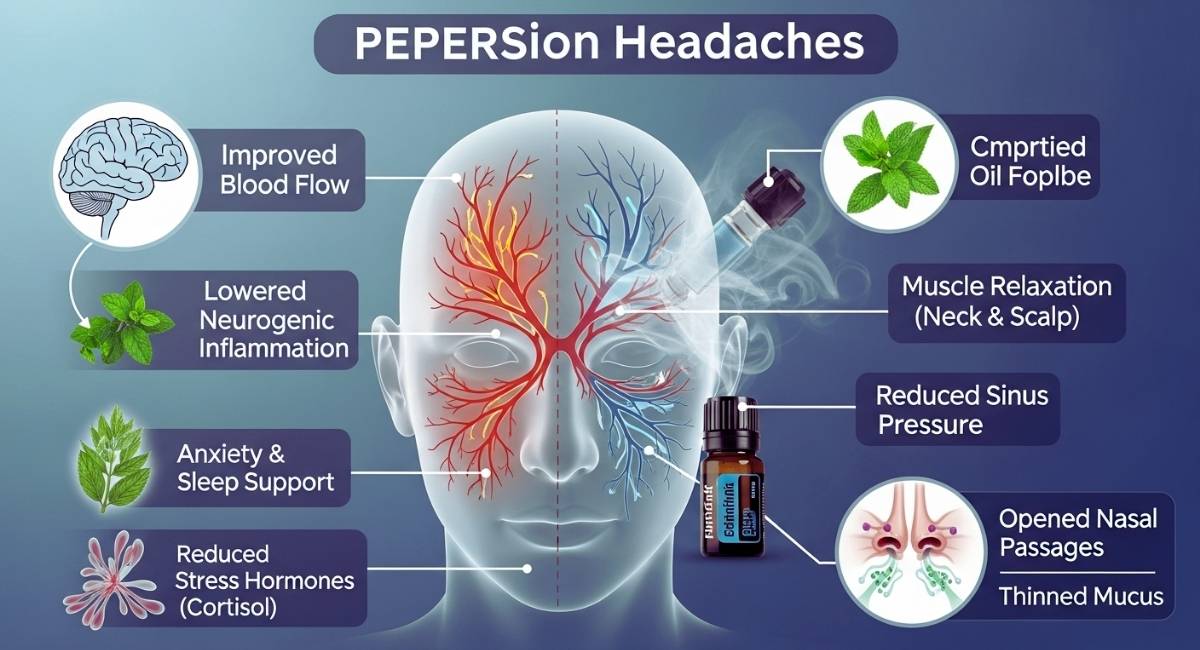
Aromatherapy can also make peppermint work on the limbic system, which can help with anxiety and sleep. This lowers stress hormones like cortisol, which are often to blame for tension headaches. Menthol opens up the nasal passages, thins mucus, and makes it easier to breathe. These compounds can help people who have sinus headaches. This compound relieves forehead and facial pain directly by lowering the pressure in the sinus cavities.
People who get migraines may find that peppermint oil helps in the early stages by making them less nauseous and sensitive to light. However, the effect is different for each person. Peppermint is still a safe and natural pain reliever for both occasional and chronic headaches because it can change the way the brain works, reduce inflammation, and relax muscles.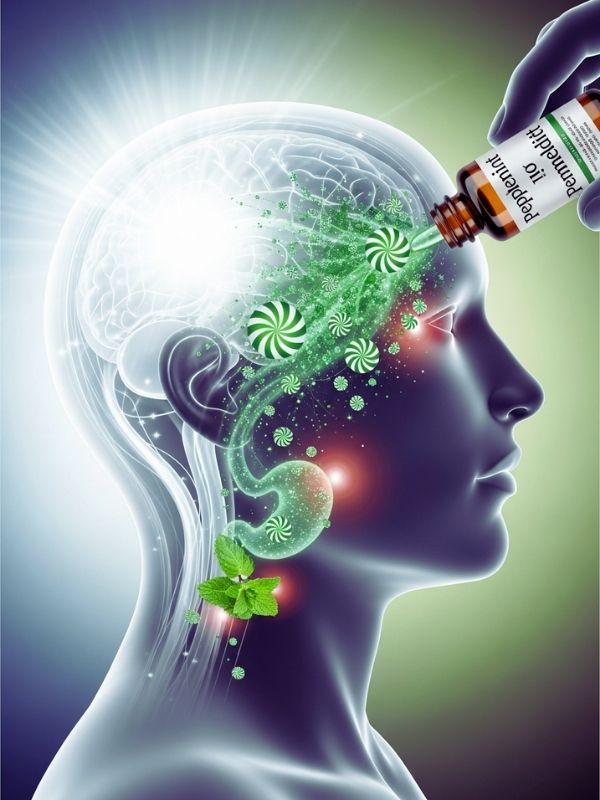
🌱 Peppermint for skin care: it cools, heals, and protects against germs :
Because it has antimicrobial, anti-inflammatory, antipruritic, and antioxidant properties, peppermint is often used in dermatology and skin care products. Menthol, which cools the skin, activates cold-sensitive receptors in it. This helps to ease itching, redness, and irritation. This feature means that peppermint can help with dermatitis, eczema flare-ups, insect bites, and skin inflammation caused by the sun. It makes blood vessels smaller, which temporarily reduces swelling and gives immediate relief to areas that are inflamed or puffy.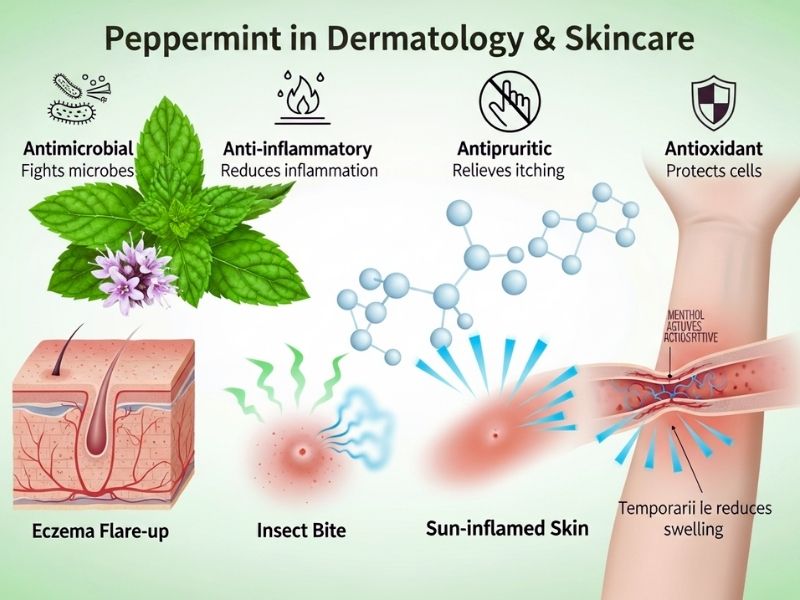
The menthol, menthone, and pulegone in peppermint essential oil are very good at fighting bacteria like Staphylococcus aureus, Propionibacterium acnes, and Candida albicans, which can lead to acne This means that peppermint is a strong natural acne treatment. It helps control the sebaceous glands, which lowers the amount of sebum they make. This keeps pores from getting clogged and breakouts from happening. Flavonoids and rosmarinic acid in peppermint act as antioxidants that protect the skin from oxidative stress and free radicals. The result slows down the first signs of aging and damage from the environment.
Because peppermint is refreshing and cleansing, it is often used in face washes, toners, shampoos, and scalp treatments. People with oily or combination skin can use peppermint water or diluted peppermint oil to make their skin clearer without taking away its natural moisture. It helps blood flow, which makes the skin look healthy and helps nutrients get to skin cells. Peppermint can also help with scalp irritation, dandruff, and hair health by increasing blood flow to the follicles. It works well to treat scalp infections and itchiness because it kills fungi.
But peppermint essential oil should always be diluted before being put on the skin to avoid irritation, especially for people with sensitive skin.
🍀 Peppermint’s Antimicrobial Power: A Natural Way to Protect the Body and the Environment :
Peppermint is one of the best scientifically proven antibacterial and antiviral agents. Peppermint essential oil is very effective against a wide range of Gram-positive and Gram-negative bacteria, fungi, and some viruses. This makes it useful for more than just health; it can also be used for cleaning, purifying the air, and keeping things clean.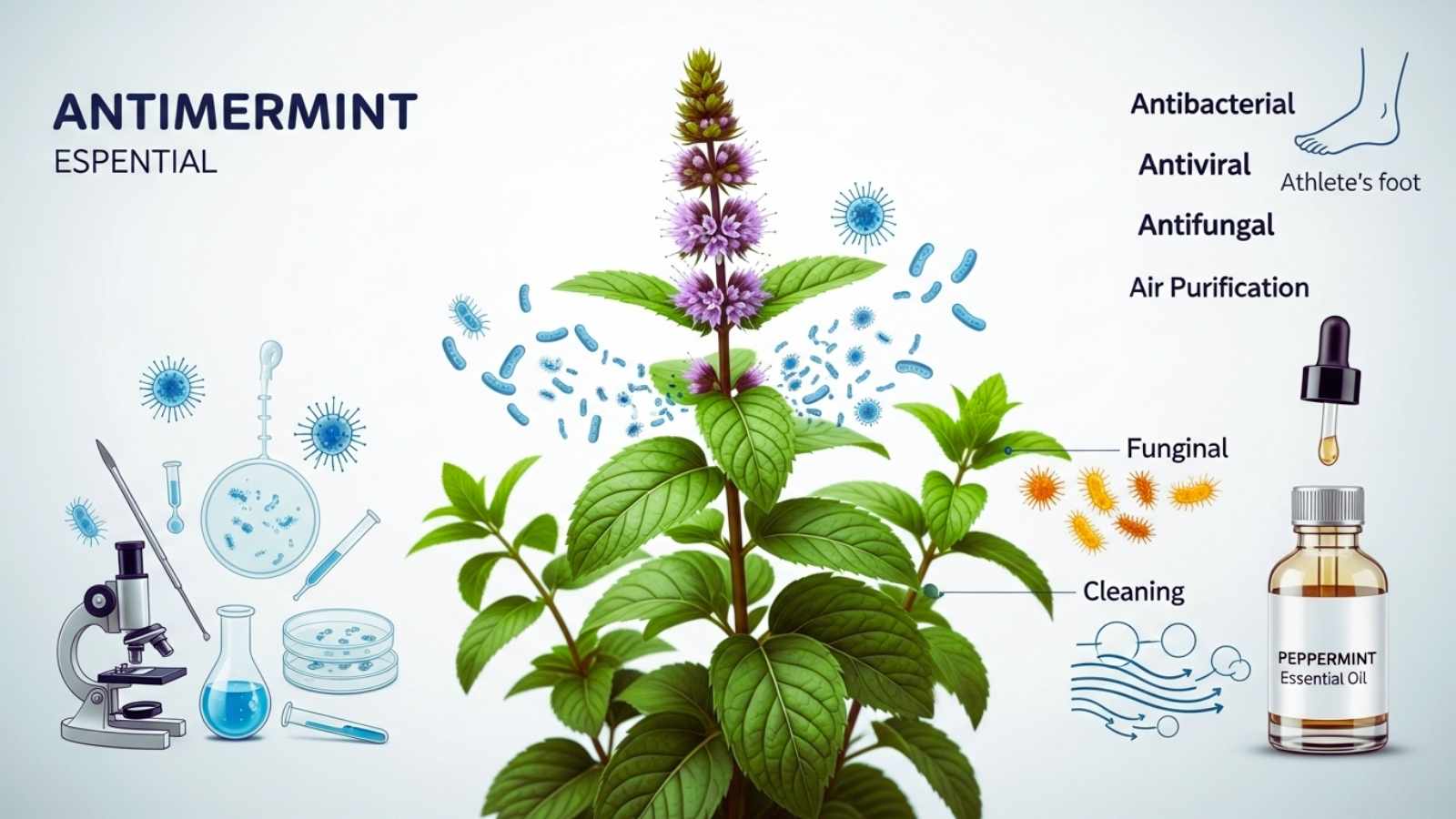
Menthol and menthone break down the membranes of bacterial cells, which stops them from growing. Research indicates that peppermint oil is efficacious against pathogenic microorganisms such as Listeria monocytogenes, Streptococcus mutans, and Pseudomonas aeruginosa. Its ability to fight fungi is especially useful for infections like athlete’s foot, ringworm, and candida. Peppermint oil has antiviral properties that can help with cold sores by reducing their length and pain.
Because it stops the growth of bacteria that cause plaque, gum inflammation, and foul breath, peppermint is a common ingredient in oral hygiene products. Fresh peppermint leaves or peppermint-infused mouthwash can clean your mouth naturally and keep it smelling fresh for a long time. Its ability to get rid of odors helps get rid of harmful gases like volatile sulfur compounds (VSCs), which make your mouth smell bad.
You can use peppermint oil mixed with water as a natural disinfectant spray for surfaces, kitchen counters, and other areas of your home. It works without harmful chemicals because it has antimicrobial properties. The smell of peppermint also keeps bugs away, so it works as a natural pest control for mosquitoes, ants, and spiders.
🌾 Peppermint is a natural decongestant and bronchodilator that helps with breathing :
Because it naturally opens up airways, breaks up mucus, and reduces inflammation, peppermint is highly valued for helping with breathing. Menthol makes you feel cool and opens up your nasal airway, making it easier to breathe. It works on the TRPM8 receptors that are sensitive to cold, making you feel like air is flowing freely even before the mucus clears.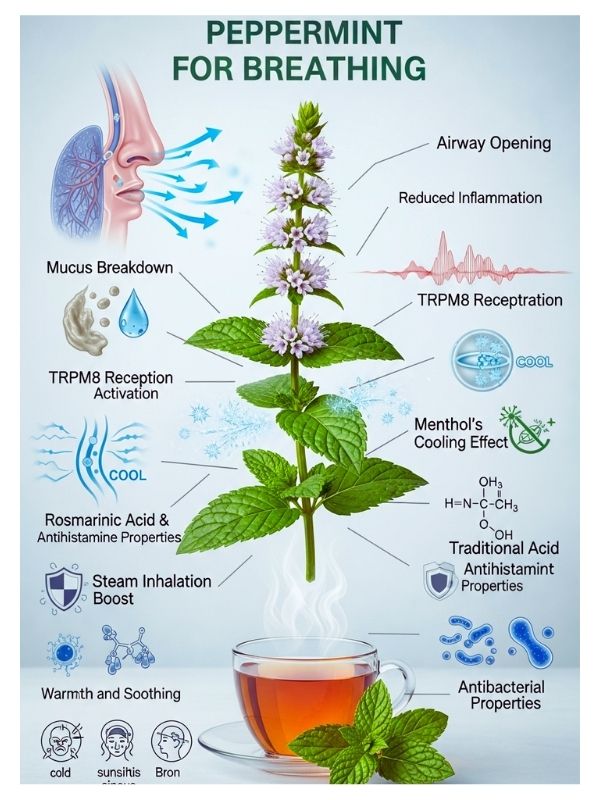
Peppermint helps break down mucus and clear up congestion in conditions like the common cold, sinusitis, bronchitis, and seasonal allergies. People have been using peppermint steam as a treatment for a long time, and it still works because menthol helps break down phlegm, which eases coughing and tightness in the chest. Rosmarinic acid in peppermint also has mild antihistamine properties, which help reduce allergic inflammation in the airways.
Peppermint tea is warm and soothing, helps with throat irritation, and boosts the immune system. Its antibacterial properties help keep people from getting secondary infections that often happen after having an upper respiratory illness. Peppermint won’t cure asthma, but it may help people with mild cases breathe easier for a short time.
Use peppermint to clear your mind and relax :
The smell of peppermint has a direct effect on the brain and the nervous system. Studies have shown that breathing in peppermint can improve cognitive performance, alertness, working memory, and reaction time. Its fresh scent wakes up the central nervous system, which helps you feel less worn out and more focused.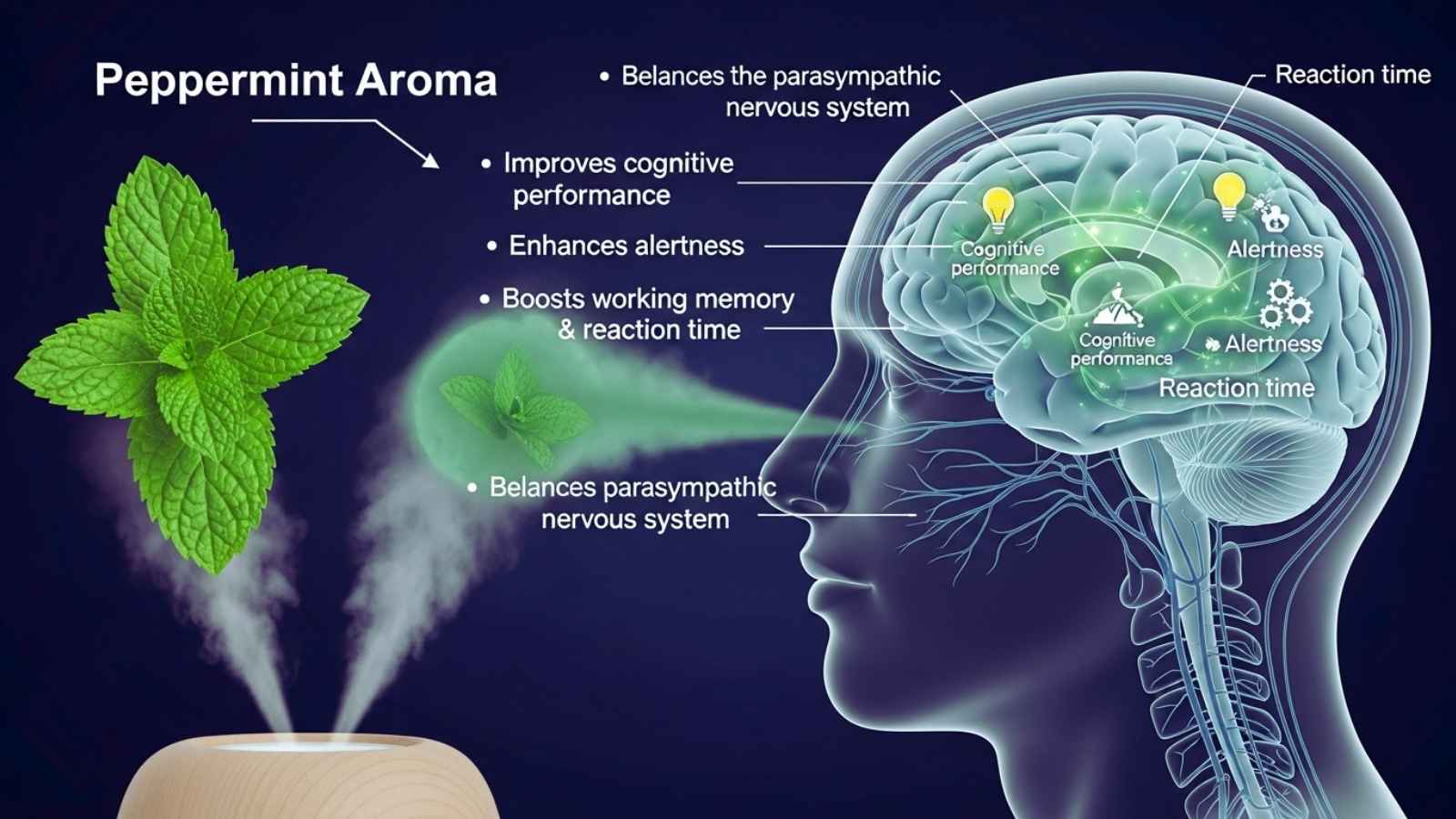
Aromatherapy with peppermint can help you relax and keep your emotions in check by balancing your parasympathetic nervous system. The natural smell of peppermint can help people who are anxious, have mental fog, or are physically worn out feel better because it changes how the brain works. Diffusers with peppermint oil can help students and professionals be more productive while they study or work.
🌼 Peppermint can help your immune system and protect your cells from free radicals :
The antioxidants in peppermint, like rosmarinic acid, eriocitrin, luteolin, and caffeic acid, help reduce oxidative stress, which is a major cause of long-term health problems Pollution, smoking, stress, and metabolic activity all make free radicals, which these antioxidants protect the body from. Peppermint helps cells repair themselves and protects the immune system by lowering oxidative load.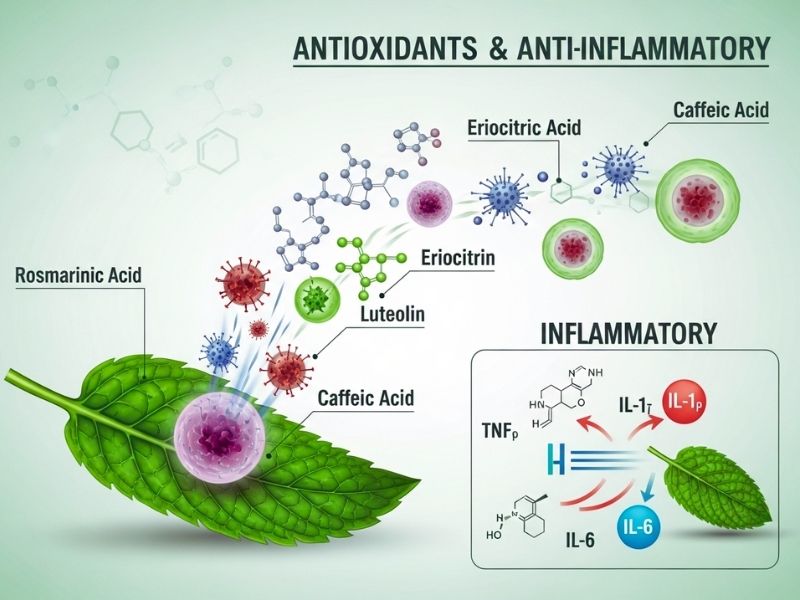
The herb also helps control inflammatory pathways by stopping pro-inflammatory cytokines like TNF-α, IL-1β, and IL-6. This means that peppermint can help lower low-grade chronic inflammation, which is linked to arthritis, metabolic syndrome, skin problems, and gut disorders. Its ability to boost the immune system makes the body better able to fight off infections.
🌸 Safe Use, Precautions, and Best Practices :
Peppermint is natural and beneficial for you, but you have to use it carefully. To keep from irritating the skin, peppermint essential oil should always be mixed with a carrier oil before being used. People with gastroesophageal reflux disease (GERD) should not take concentrated peppermint oil by mouth because it can relax the lower esophageal sphincter and make acid reflux worse. Strong peppermint oil should not be used on babies and young children because it could cause breathing problems.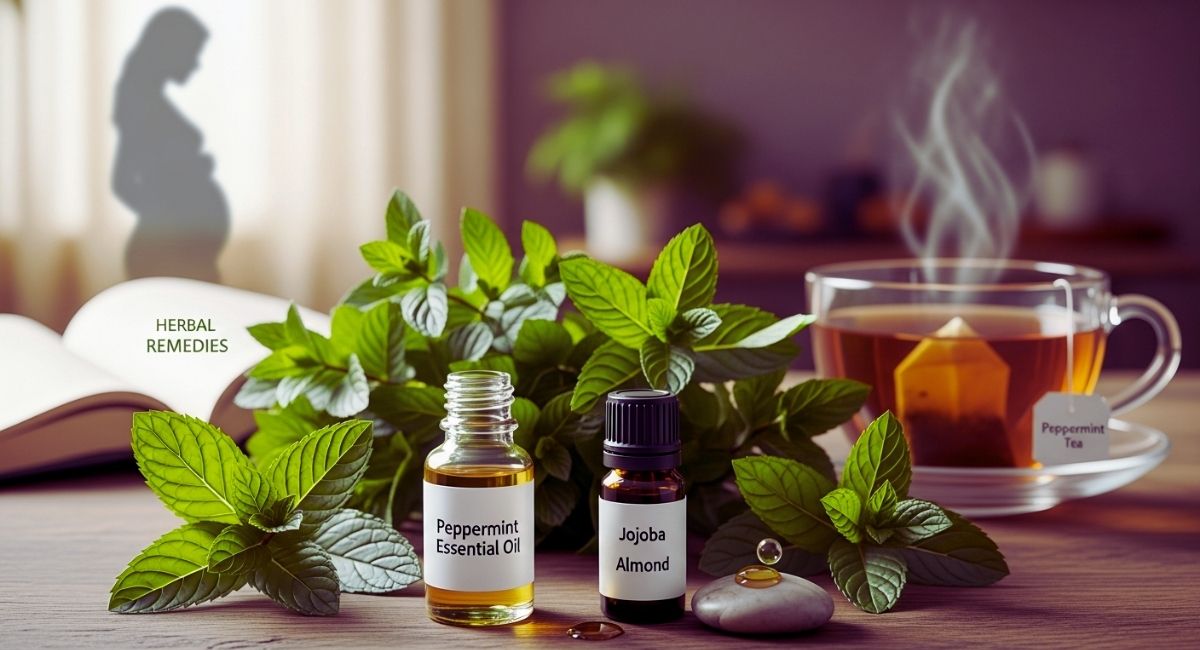
Women who are pregnant or breastfeeding should talk to a doctor before taking peppermint supplements. Most people can safely drink peppermint tea and eat fresh leaves in moderation.
🌻 Conclusion: Peppermint is a fully natural cure for modern health :
Peppermint is a wonderful medicinal herb that has been used for a long time and has a lot of scientific support. Peppermint is a natural remedy that can help with a lot of things, like easing indigestion, headaches, skin irritation, and breathing problems, as well as making you think more clearly. Peppermint has a lot of phytochemicals, mostly menthol, and strong antioxidants that give it its unique healing energy.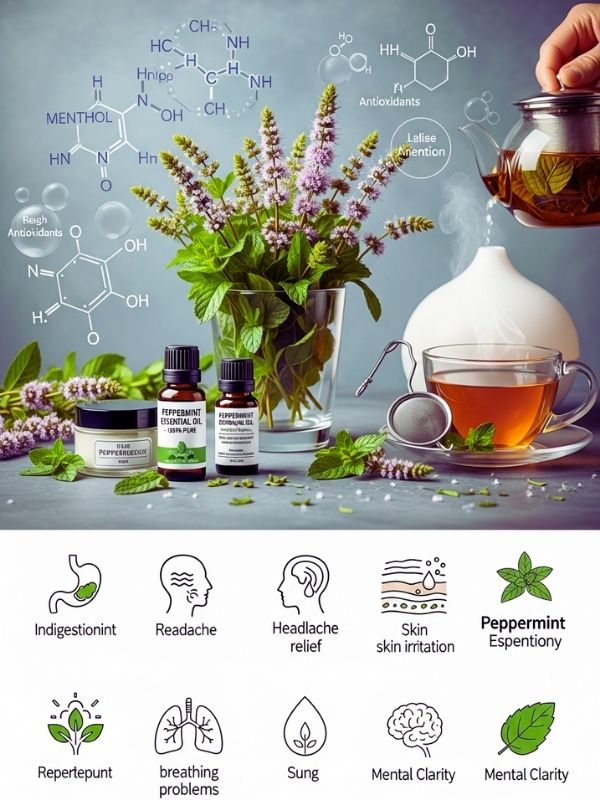
As the world moves toward more natural ways to stay healthy, peppermint is still a reliable friend for everyday health. Peppermint is still a multi-dimensional remedy that combines tradition, science, and nature’s beauty. It can be drunk as tea, used as diluted essential oil, inhaled through aromatherapy, or used in skincare and hygiene. For people looking for a safe, effective, and flexible herbal remedy, peppermint really does work its magic by refreshing the body, calming the mind, and improving overall health.