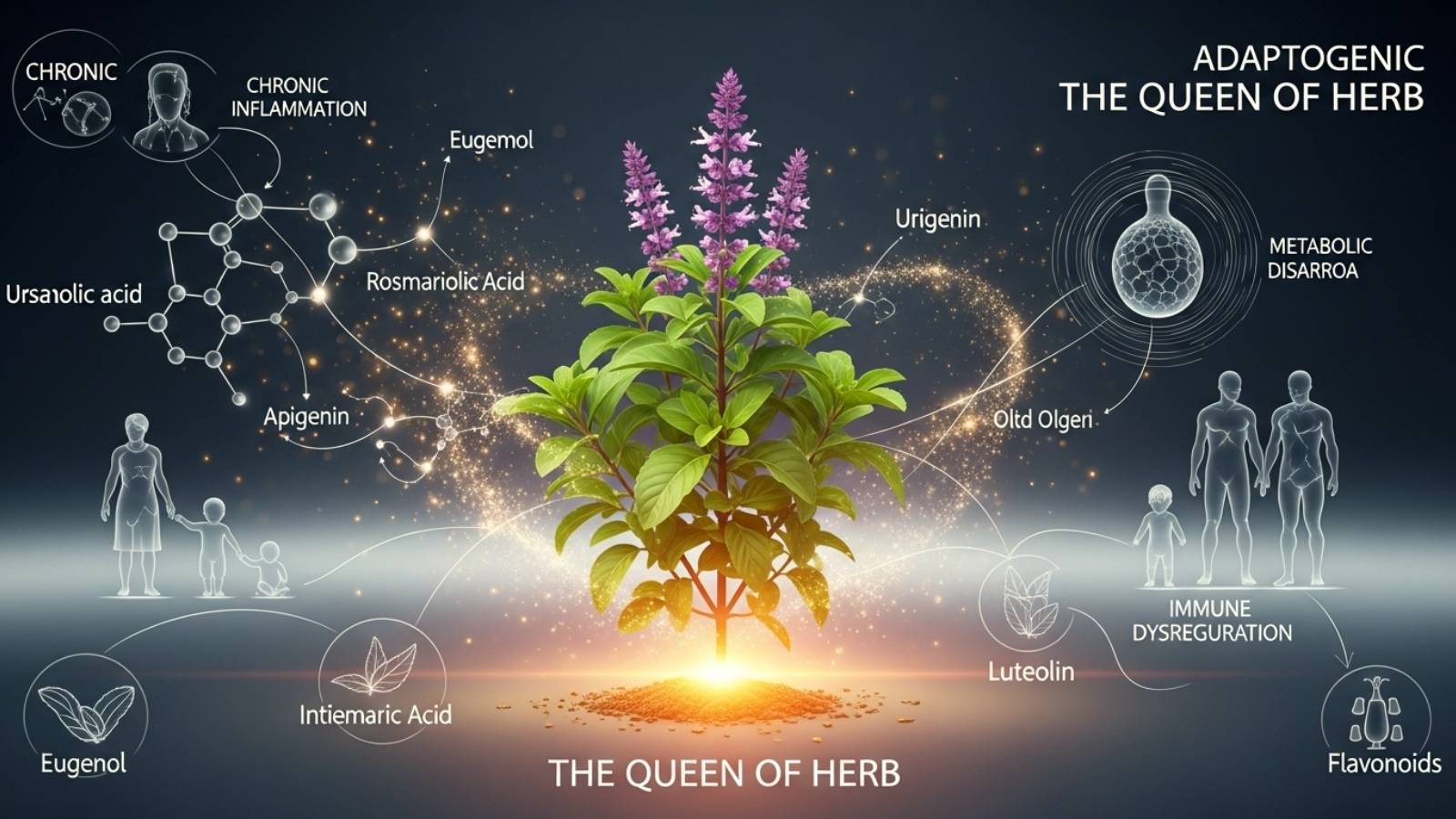
Tulsi (Ocimum sanctum or Ocimum tenuiflorum) is the most revered medicinal plant in Hindu culture and is referred to as “The Queen of Herbs.” Tulsi, also referred to as Holy Basil, is an adaptogenic herb that enhances the body’s capacity to withstand physical, chemical, and biological duress. The efficacy of many of its traditional claims, such as antioxidant, anti-inflammatory, immunomodulatory, antimicrobial, antidiabetic, cardioprotective, and neuroprotective efficacy, has been confirmed by scientific studies conducted over the past few decades.
From birth to old age, humans are physiologically dynamic and engage in gene-environment-mental-nutritional-psychosocial interactions regardless of their age. Throughout one’s lifetime, the pathogenesis of disease is significantly influenced by chronic inflammation, oxidative stress, metabolic disarray, and immune dysregulation. The bioactive phytochemicals in tulsi, such as eugenol, ursolic acid, rosmarinic acid, apigenin, luteolin, and related flavonoids, operate through molecular pathways that are associated with these functions. Tulsi offers an exceptional solution for indefinite longevity support by modulating oxidative stress markers and cortisol levels, palliating metabolic maladaptation, and promoting immune surveillance.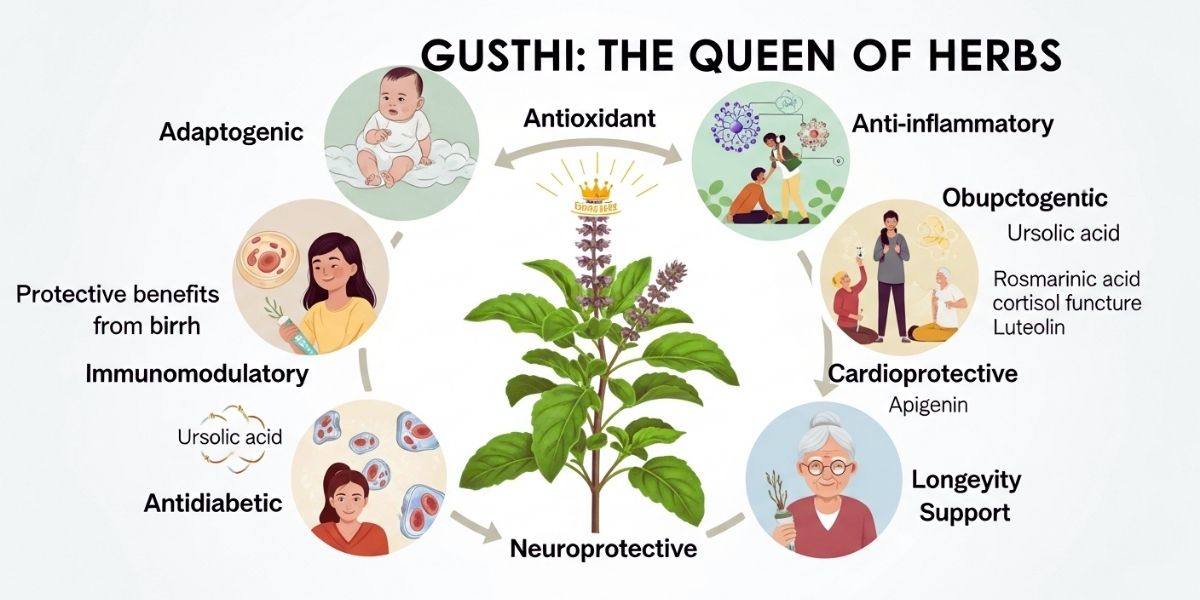
This article investigates the natural ways in which Gusthi has a catalytic impact on human existence from childhood to old age, supported by scientific knowledge and practical biological processes.
Tulsi and Pediatric Health: Enhances Immunity and Respiratory Function
The immune system and organs undergo significant development during childhood. It is more probable that they are exposed to respiratory infections, gastrointestinal issues, and allergic diseases, as this immune competence is established during the first two years of life. Tulsi is an immunomodulator that maintains the immune system’s equilibrium without overstimulating it.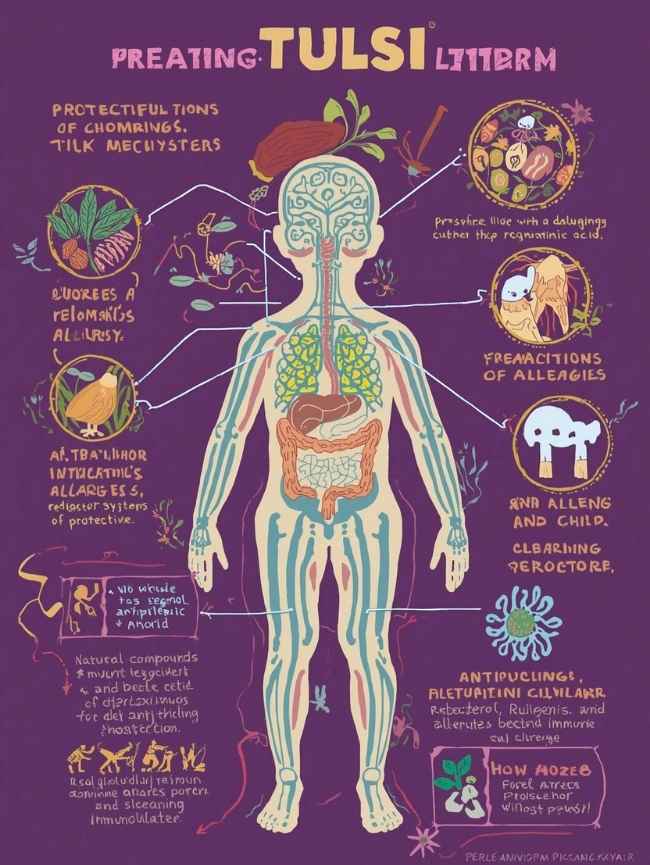
Eugenol and rosmarinic acid are phytocompounds that exhibit antibacterial, antiviral, and antifungal properties. Tulsi has been demonstrated to inhibit the proliferation of numerous respiratory pathogens and the production of inflammatory cytokines in vitro. This is particularly crucial in the case of recurrent respiratory tract infections of the upper airways, which are frequently observed in small children who attend school.
Tulsi is also a bronchodilator and an expectorant. It enhances mucociliary clearing mechanisms and reduces bronchial inflammation, which may be advantageous in the treatment of moderate asthma and allergic rhinitis. The competitive inhibition of the cyclooxygenase metabolism (COX) pathway and lipoxygenase metabolism is responsible for the anti-inflammatory effect, which in turn reduces the synthesis of prostaglandin and leukotrienes. The amelioration of airway function and the reduction of respiratory distress are the results of these bioeffects.
In addition, the antioxidant compounds in Tulsi herbal extract have the ability to prevent oxidative injury to developing organs and eliminate reactive oxygen species (ROS). There is a role for oxidative stress in the initial phase of immune dysfunction. Consequently, the moderate regular consumption of an attenuated decoction of Tulsi in an age-appropriate formulation would provide resistance to infections.
Tulsi during Adolescence: The Balance of Stress and Hormones
It is characterized by the rapid growth, psychological duress, and deep endocrine refashioning of adolescence. Acne, mood shifts, altered metabolism, and an increased susceptibility to anxiety are all a result of hormonal fluctuations. The adaptogenic/endocrine-modulating properties of Tulsi are particularly beneficial during this period.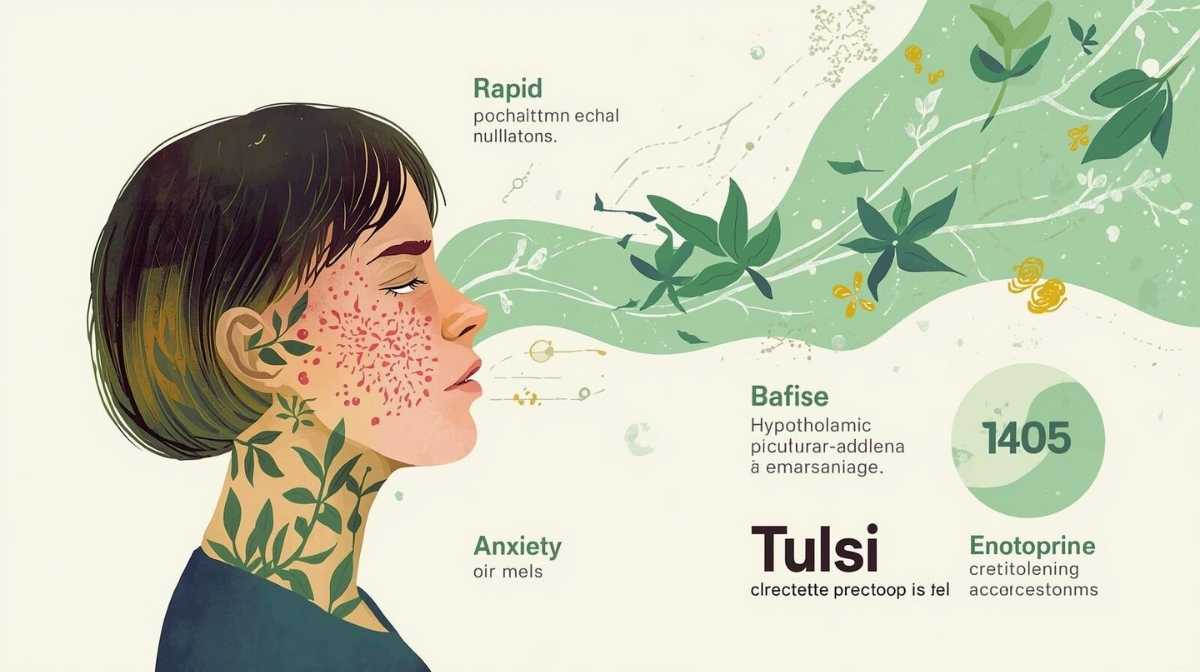
It is recognized that adaptogens can regulate the hypothalamic–pituitary–adrenal (HPA) axis to modulate the stress response. Inflammation, insulin resistance, and mood disorders are the results of prolonged stress, which elevates cortisol levels. Clinical research has demonstrated that tulsi has the capacity to reduce serum cortisol levels (a stress hormone) and subjective stress levels. Tulsi contributes to the stabilization of cortisol levels, which in turn fosters mental clarity and emotional resilience.
Additionally, adolescents are at a heightened risk of developing acne vulgaris, which is linked to bacterial colonization and inflammation. Cutibacterium acnes. The antimicrobial and anti-inflammatory properties of tulsi can contribute to the maintenance of a healthy epidermis. Eugenol and ursolic acid are potent antimicrobial agents that prevent the formation of pro-inflammatory mediators and inhibit the growth of bacteria on the epidermis, thereby clearing the skin.
Furthermore, Tulsi may be advantageous for glucose metabolism by enhancing insulin sensitivity and enhancing the function of pancreatic beta cells. The prevention of obesity and metabolic syndrome, which are currently on the rise as a global epidemic among adolescents, is contingent upon early metabolic control. In this hormonally active phase, tulsi maintains metabolic homeostasis by virtue of its antioxidant and anti-inflammatory properties.
Invention as Metabolic and Cardiovascular Jute: Tulsi in Adult Life
Sedentary behavior, work-related stress, and dietary imbalance are among the factors that contribute to chronic diseases in maturity, including hypertension, dyslipidemia, and type 2 diabetes mellitus. Tulsi has been suggested to have the potential to enhance cardiovascular and metabolic health.
In clinical trials, the supplementation of tulsi has demonstrated a substantial decrease in fasting blood sugar, an improvement in lipid profile, and a decrease in total cholesterol and triglycerides. It achieves this by increasing insulin secretion, increasing the sensitivity of the insulin receptor, and suppressing hepatic gluconeogenesis. Ursolic acid and flavonoids elicit enhanced glucose uptake in peripheral tissues.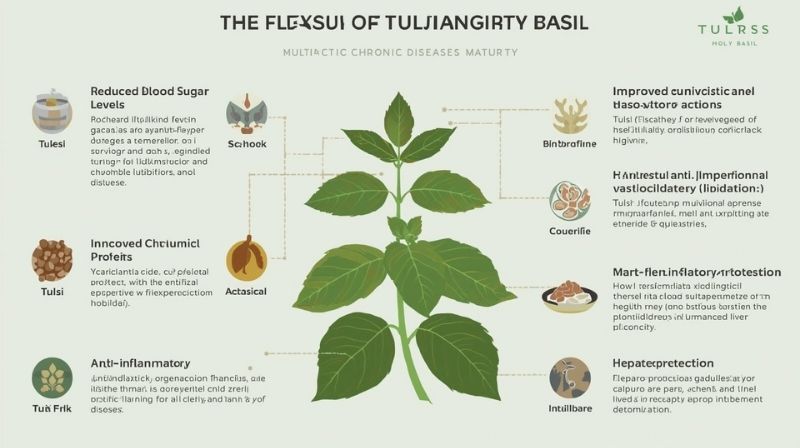
Another significant benefit is CV protection. Tulsi has antiplatelet and vasodilatory properties that protect against thrombosis and improve endothelial function. The oxidation of low-density lipoprotein (LDL), a critical phase in its atherosclerosis-inducing maturation, is inhibited by their antioxidant flavonoids. The vasculoprotective effect of tulsi is achieved by reducing systemic inflammation and oxidative stress.
Chronic inflammation is the fundamental cause of cardiovascular diseases. Proinflammatory cytokines such as TNF-α and IL-6 are downregulated by Tulsi’s inhibition of the NF-κB cascade (11). This molecular mechanism may contribute to the long-term protection of the cardiovascular system.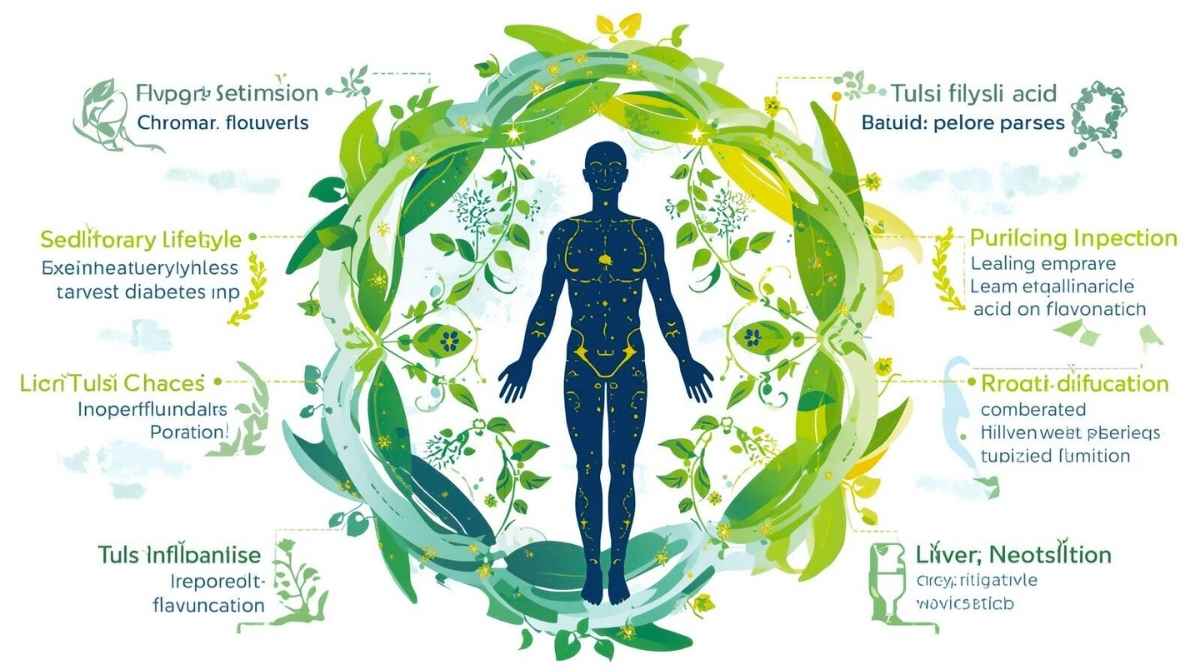
Tulsi is also hepatoprotective and aids in liver detoxification. As we consume an increasing quantity of GMO processed foods and become increasingly exposed to environmental pollutants and pesticides, the importance of maintaining optimal liver function is of the utmost importance.
Tulsi and mental health: Lifelong neuroprotection
Mental acuity is crucial at every stage of existence. Tulsi also provides neuroprotective effects that enhance the learning ability of children and protect against cognitive decline in the aging brain. The brain is a highly susceptible organ to oxidative stress due to its lipid composition and high oxygen content.
The rosmarinic acid and flavonoids of tulsi exhibit exceptionally potent antioxidant activity in brain tissue. These antioxidants are purported to prevent oxidative damage to neurons and inhibit lipid peroxidation. Tulsi is essential for cognitive function and memory, as it increases the levels of the neurotransmitter acetylcholine.
Stress-induced neuroinflammation is a substantial mechanism in the development of anxiety and depression. Tulsi may assist in the regulation of cortisol levels and the reduction of inflammatory cytokines, which are produced in response to stress. It has been identified as an anxiolytic in both animal and human trials, resulting in improved temperament and decreased anxiety.
The hallmark degenerative physiological processes in aging are neurodegeneration, which is accompanied by amyloid-beta accumulation, and defective mitochondrial function. By sustaining mitochondrial integrity and inhibiting neuroinflammation, tulsi’s antioxidant and anti-inflammatory properties may prevent these processes. Tulsi offers a supportive neuroprotection that may enhance the quality of life, despite the fact that it is not a panacea for neurodegenerative diseases.
Tulsi in the Middle: Immunity, Health Protection, and the Prevention of Chronic Disease
Middle age is often the onset of immunosenescence, metabolic reduction, and increased oxidative stress. In order to mitigate the risk of disease for decades to come, it is crucial to implement preventive measures at this juncture. I am in favor of Tulsi’s immunomodulatory properties, which promote optimal immune function without suppressing or overstimulating it.
Research indicates that tulsi enhances the production of natural killer cells, which are essential for immune function. This regulated immune activation not only enhances resistance to infections but also prevents the onset of chronic inflammation.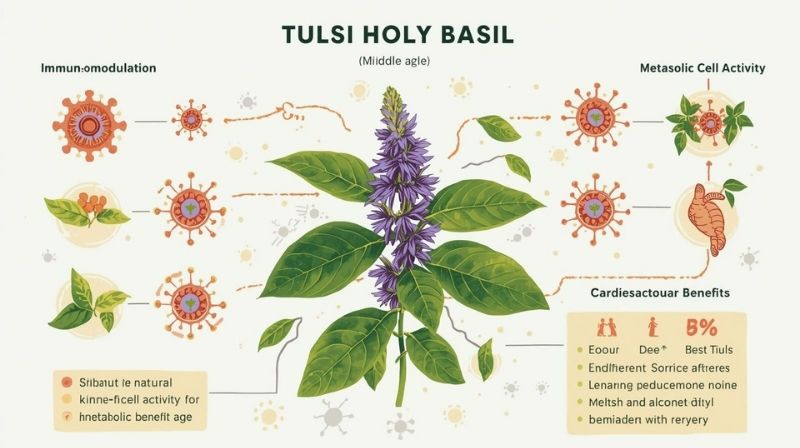
There are numerous chronic diseases that are frequently encountered during middle age, including metabolic syndrome and hypertension. Tulsi functions as a moderate diuretic and vasorelaxant, which aids in the regulation of blood pressure. It enhances vascular compliance and reduces the cardiovascular system’s workload by optimizing endothelial nitric oxide formation.
Tulsi is also beneficial for the management of weight and blood sugar. It has been demonstrated to enhance metabolic efficiency by reducing oxidative stress and increasing the modulation of carbohydrate metabolism. Tulsi has the potential to be employed as a preventative aid or adjunctive therapy against chronic disease in conjunction with a healthy lifestyle.
Tulsi for Seniors: Life Extension and Anti-Aging Advantages
The accumulation of cellular injury, telomere shortening, mitochondrial dysfunction, and chronic inflammation (also referred to as “inflammaging”) is the primary cause of the aging process. The biological aging interventions of these processes are specifically affected by the phytochemical profile of sesamol.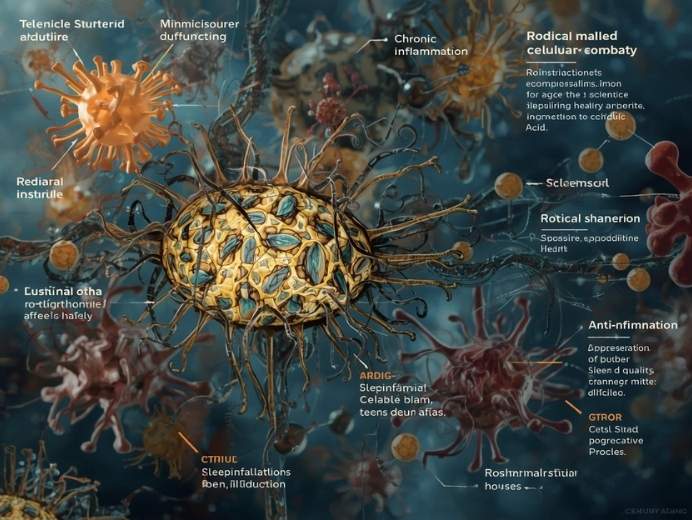
The protective effects of rosmarinic acid on oxidative DNA damage and radical scavengers. Tulsi may aid in the prevention of age-related degeneration by protecting cells from oxidative injury. It reduces chronic low-grade inflammation, which is a contributing factor to cognitive decline, heart disease, and arthritis, through its anti-inflammatory effect.
The elderly can benefit from the adaptogenic properties of Tulsi, which increase their ability to adapt to stress and improve the quality of their sleep. Elderly individuals frequently experience insomnia, which is linked to diminished immunity and cognitive impairment. Is it possible for Tulsi to enhance the structure of sleep by modulating cortisol and inducing relaxation?
It is possible that the vast body muscle groups responsible for joint health in older individuals are also the muscles responsible for ventilation. Anti-inflammatory The acid alleviates pain and inflammation in the body, as well as aids in joint mobility and distress. Tulsi’s advocacy for ongoing mobility and the restriction of oxidant-stress factors may contribute to the preservation of physical health and quality of life as individuals age, despite the fact that it is not a medical cure.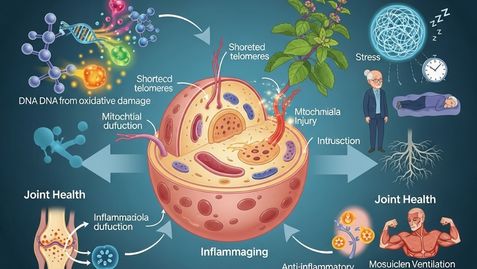
Practical Integration, Safety, and Dosage
Tulsi is nontoxic, as long as it is not consumed in excess, according to scientific research. It is accessible in a variety of forms, such as fresh foliage, tea, aqueous extracts, and standardized capsules. However, individuals who are taking blood thinner medications or have specific underlying medical conditions should consult with their healthcare providers due to the potential for interactions.
Rhodiola does not have a standard dosage, as it is contingent upon the preparation used. However, clinical studies have evaluated standardized extracts that contained 300-600 mg daily. Consistency is the key to obtaining the benefits of adaptogens, as they are not immediate; rather, they accrue in the body over time.
Incorporating Tulsi into our daily routines can be a simple and sustainable process. Tulsi Tea’s Health Benefits: The most effective method of consuming its phytochemicals is through the brewing of warm water with fresh or dried leaves. Alongside a balanced diet and exercise, Tulsi may foster holistic health.
In conclusion, the ideal ally for lifelong health
For thousands of years, tulsi has been noted for its health-promoting properties, which are supported by empirical evidence. Tulsi’s properties influence the fundamental biological processes that underlie aging and disease by influencing such or not-so-fundamental processes as antioxidant, anti-inflammatory, immunomodulatory, adaptogenic, and metabolic regulation. It is the optimal choice for long-term well-being due to its stress-alleviating, metabolism-enhancing, brain-boosting, and immune-supportive properties.
Our bodies are constantly under attack from internal and external pollutants as a result of the increasing pressures of modern life, including long work hours, poor diet, and elevated stress. Through the responsible and user-friendly application of Tulsi, we can all confront the challenges of life with a sense of natural resilience, vitality, and longevity at every stage of our existence.Anti-inflammatory: