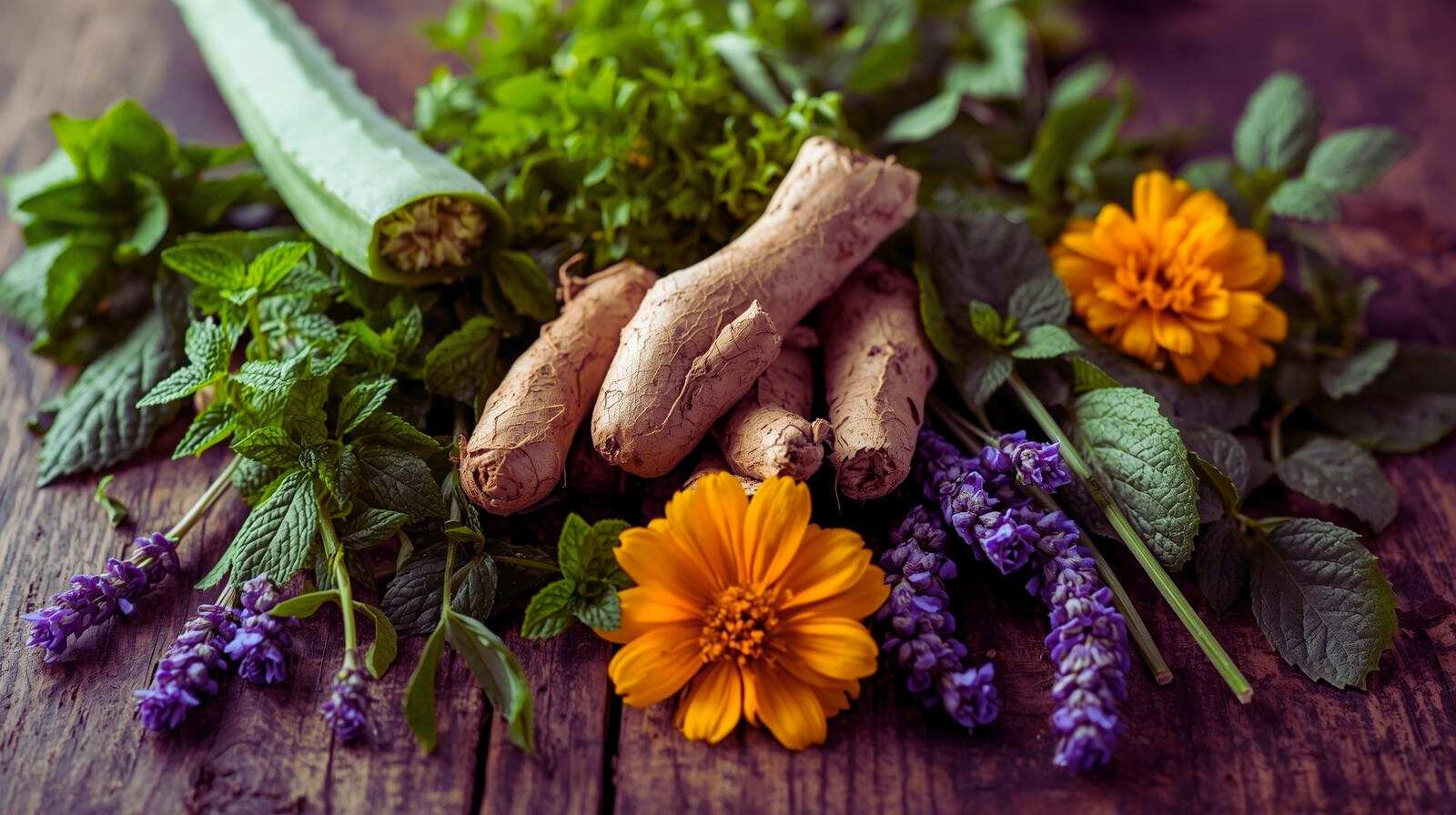
One of the best, cheapest, and most natural ways to treat everyday injuries is to use herbs you grow yourself. Herbal remedies have been used for a long time to treat burns, small cuts, wounds, skin infections, insect bites, and inflammation. A lot of people are going back to using plants from their gardens as medicine because they are safe, free of chemicals, and easy to get to in an emergency. This article will show you the most trusted herbs that you can grow at home and use right away for cuts, burns, and infections. The goal is to give you the knowledge and confidence to use natural remedies at home safely and effectively.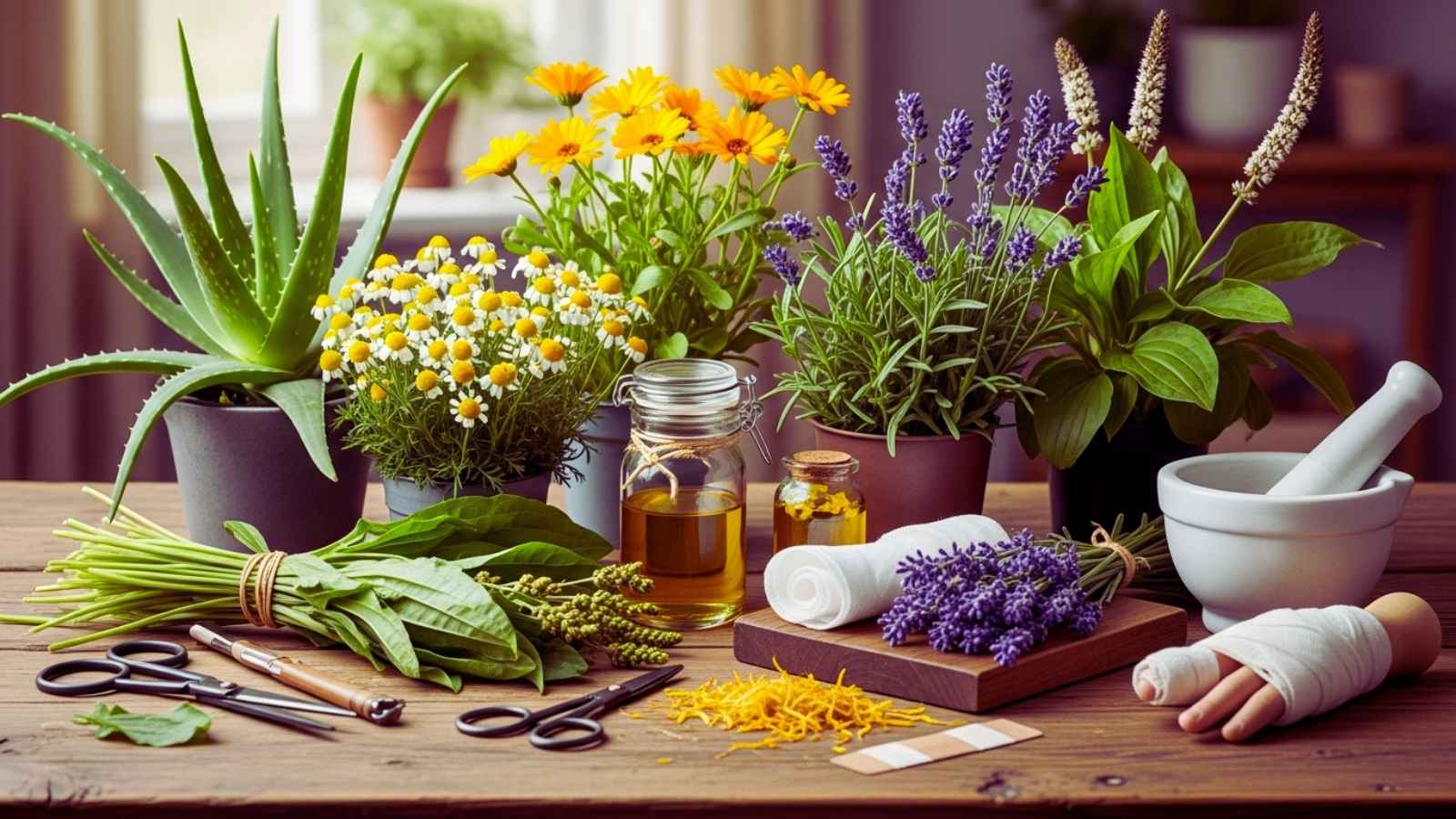
It has been scientifically proven that herbs like aloe vera, tulsi, turmeric, gotu kola, calendula, lavender, neem, peppermint, and plantain can help heal. They are nature’s own antiseptics, anti-inflammatories, antimicrobials, and wound healers. Using herbs from your own garden is great because they are fresh, clean, and full of active compounds. These herbs can be your natural first-aid kit, whether you have a small balcony garden, a kitchen herb box, or a patch in your backyard. You’ll learn how each herb works, how to quickly prepare it at home, and how to use it for burns, cuts, infections, and other skin emergencies in the sections that follow.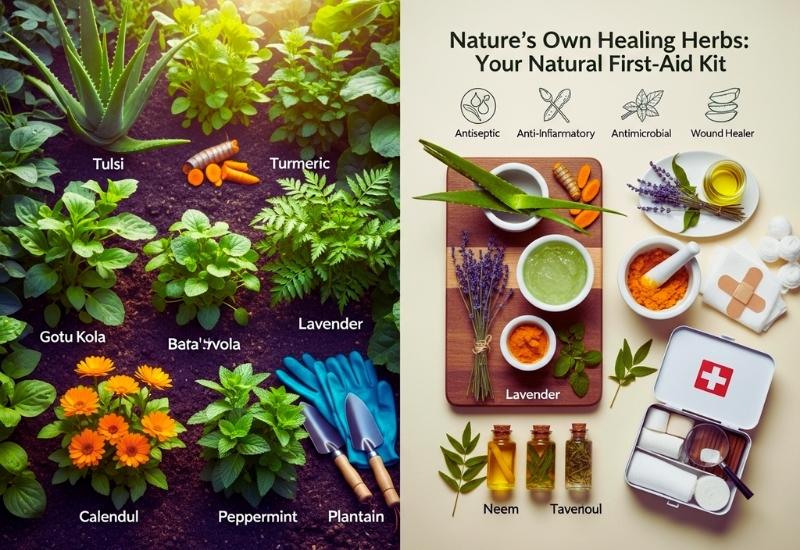
Aloe Vera: Nature’s Gel for Burns and Other Skin Injuries :
Aloe vera is one of the best herbs to have on hand for home first aid, especially for burns, sunburns, skin irritation, and small cuts. Aloe vera’s inner gel has antioxidants, glucomannan, and mannose-6-phosphate that speed up the healing of skin. When you put it directly on the leaf, it instantly cools and hydrates the burn, which helps to reduce inflammation. Aloe vera is great for minor cuts, razor cuts, and kitchen accidents with hot oil because it speeds up the production of collagen and stops infections. When put on right after the burn, it even helps keep blisters from forming.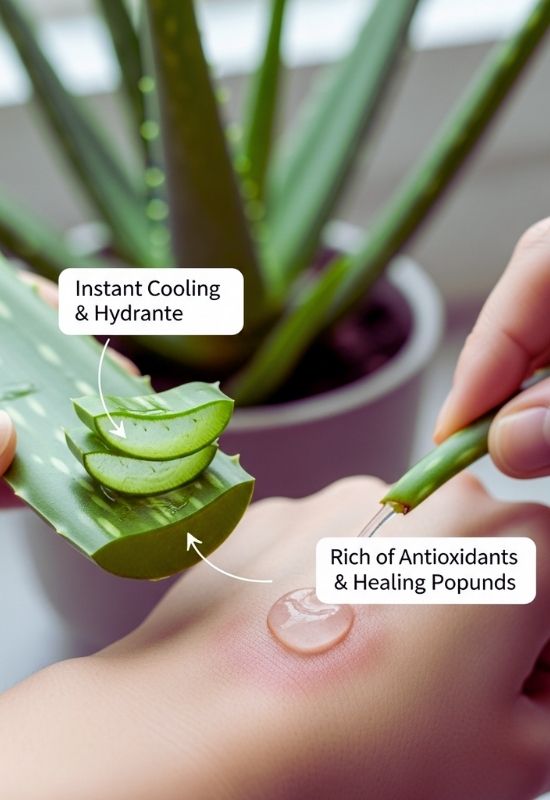
To use it, just cut off a fresh aloe leaf, take out the clear gel from the inside, and put it right on the hurt skin. Aloe gel makes a natural barrier that keeps the wound moist, which is important for faster healing. It also works as a natural antimicrobial agent, which lowers the risk of getting sick. If you grow aloe vera at home, you can always have some on hand for first aid by keeping at least two mature plants on your balcony or in your garden. Aloe is a must-have herbal remedy plant because it needs very little care, can survive in dry conditions, and grows well in almost any environment.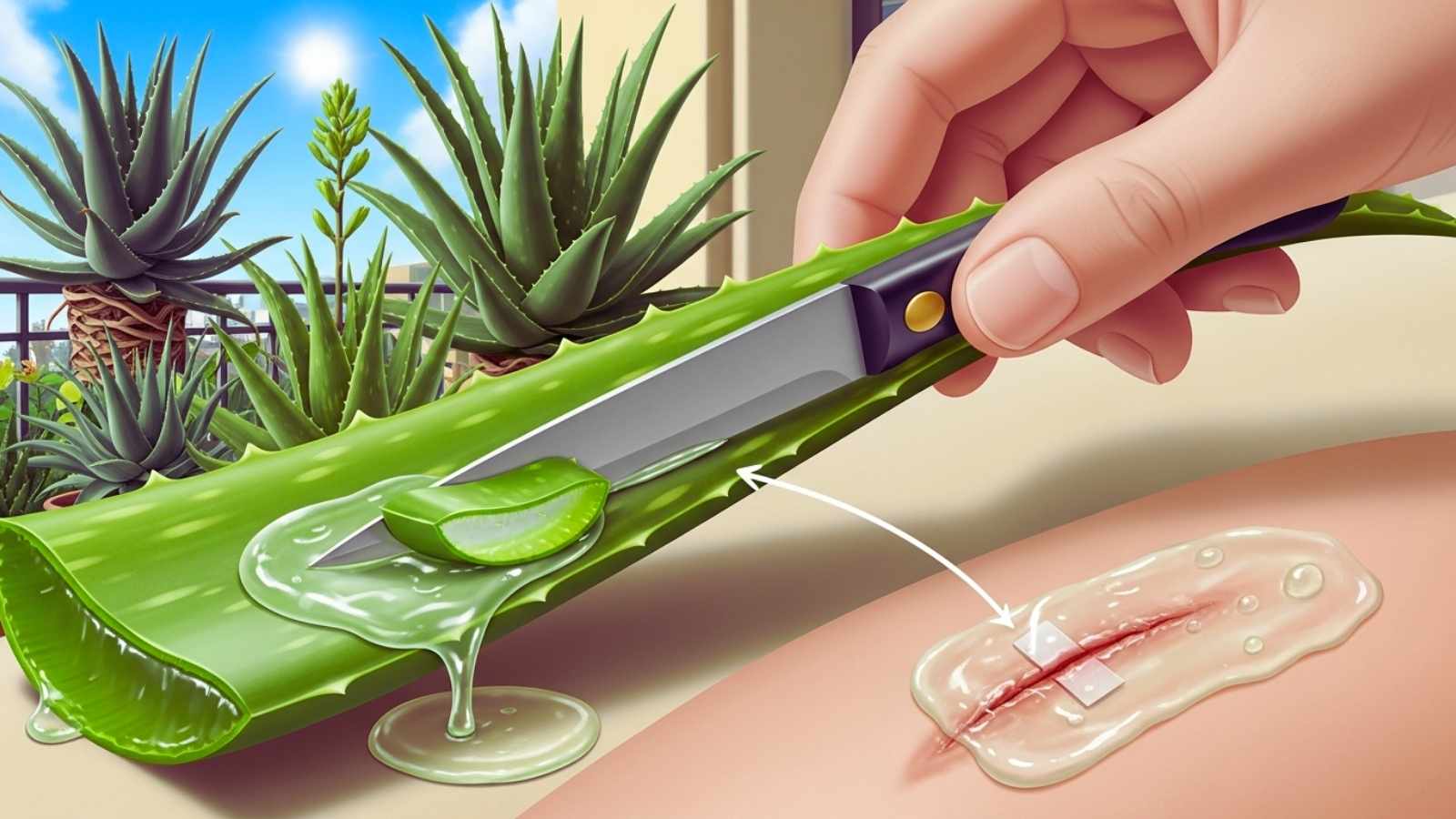
Golden antiseptic turmeric for cuts, infections, and swelling :
For hundreds of years, Indian families have used turmeric (Curcuma longa) as one of the strongest natural antiseptics. Curcumin, the main active ingredient, has properties that fight bacteria, fungi, inflammation, and free radicals. Turmeric stops bleeding, keeps cuts, scrapes, and small open wounds from getting infected, and speeds up the growth of new skin tissue. People often compare its ability to kill germs to that of mild chemical antiseptics, but it doesn’t cause burning or other bad side effects.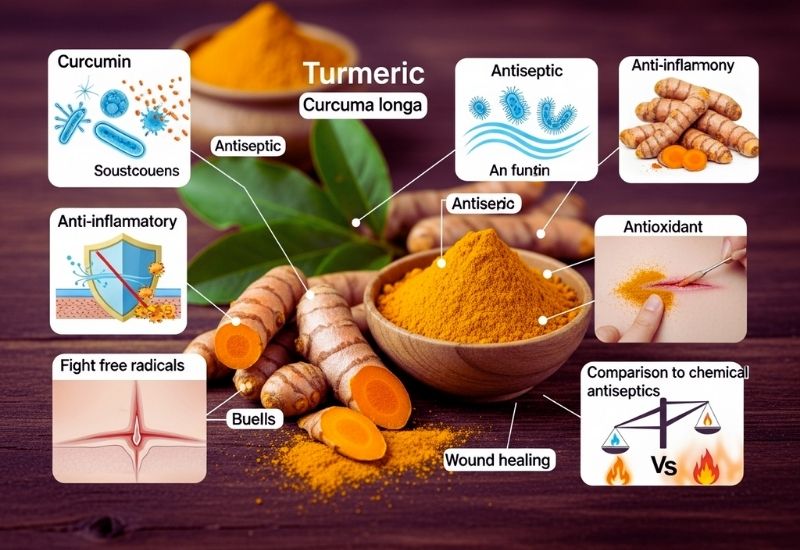
You can make a turmeric paste for home first aid by using either fresh root or dry powder. You can make a thick herbal paste by mixing turmeric with clean water or aloe gel. This paste can be put directly on wounds. Turmeric can be used on deeper cuts after the area has been cleaned well because it helps lower swelling and infection.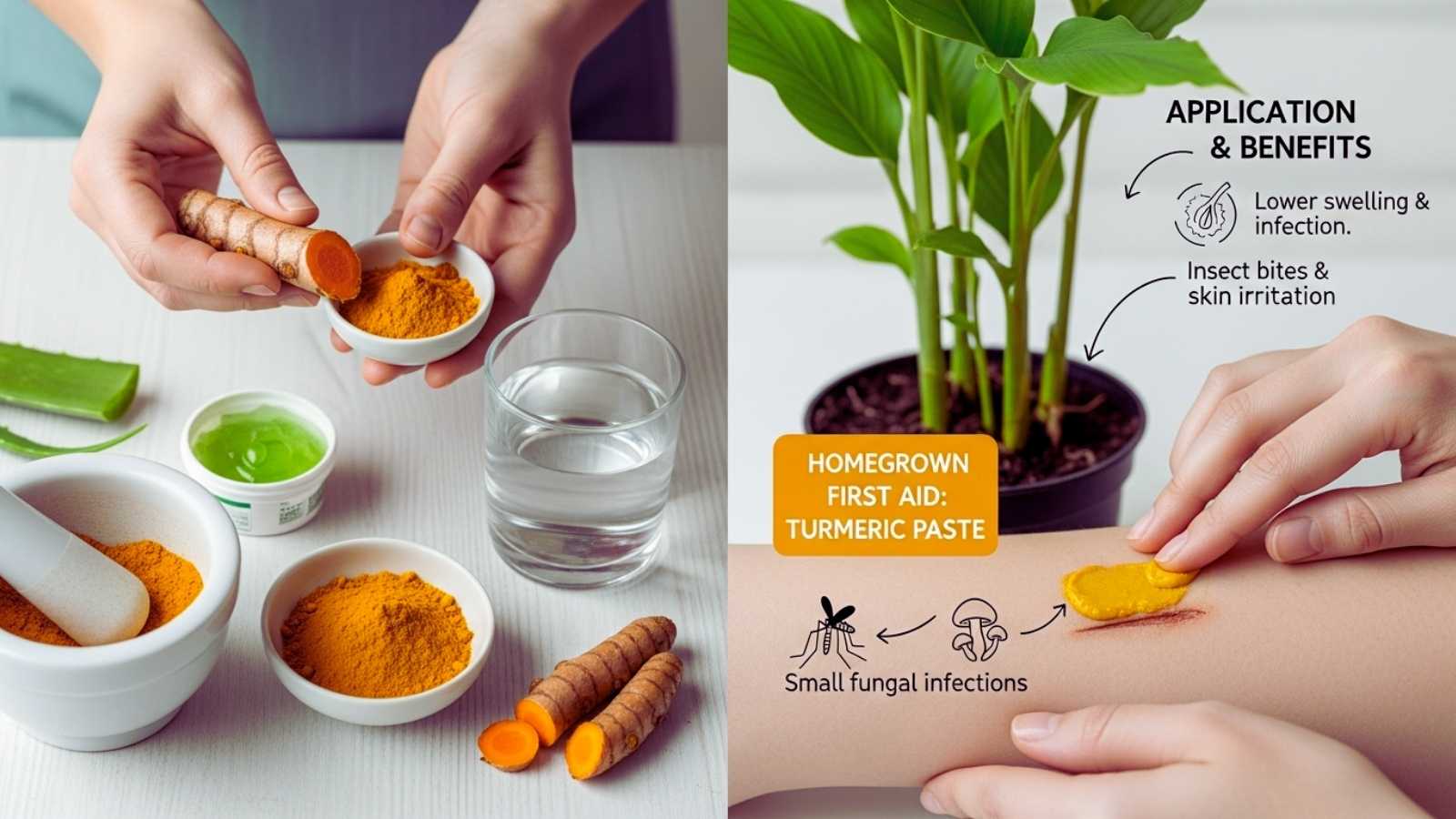 Many people who garden at home grow turmeric in small pots or in beds outside because it is easy to care for and produces a lot of food. Fresh turmeric is even stronger and has more healing oils. Turmeric paste can also help with insect bites, skin irritation, and small fungal infections, in addition to treating wounds. It works quickly and helps the body heal on its own, making it a great addition to your collection of homegrown first-aid herbs.
Tulsi (Holy Basil): A Natural Way to Protect Yourself from Infections and Microbes :
People often call tulsi the “Queen of Herbs” because it can help fight infections, inflammation, and microbial activity. Eugenol, caryophyllene, and camphene are some of the essential oils found in its leaves. All of these oils are strong antiseptics. Tulsi is very helpful for minor skin infections, itching, rashes, cuts, and bug bites in first aid. It also works against fungal infections like ringworm and small areas of skin irritation.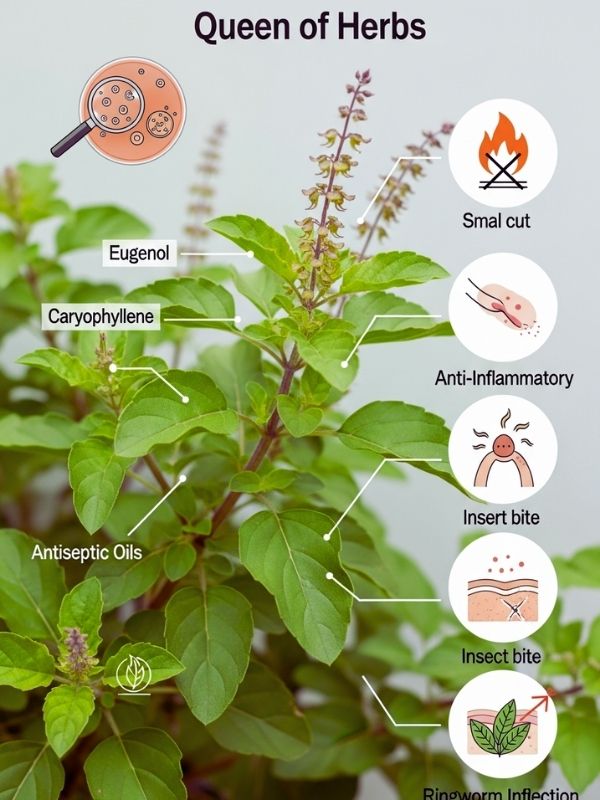
If you need first aid with tulsi, crush a handful of fresh leaves and put the juice directly on the hurt area. Its juice quickly stops redness, itching, and the growth of bacteria. Another natural way to clean wounds is to make a warm herbal decoction with tulsi. If you have kids or elderly people living with you, having a few tulsi plants around will give you instant access to natural antimicrobial protection. Tulsi is safe for even the most sensitive skin because it works gently. If you use it often, it helps wounds heal cleanly without leaving scars or harsh marks. When you mix tulsi leaf juice with turmeric, you get a strong natural antibacterial paste that works against infections.
Neem: The Best Herb for Protecting Skin from Bacteria :
Neem is one of the most respected medicinal trees in Ayurveda because it is very good at killing bacteria, viruses, and fungi. If you have a neem plant or fresh neem leaves at home, you can use them to treat infections, small cuts, acne, fungal patches, or insect bites. Azadirachtin, nimbidin, and quercetin are some of the active compounds in neem that provide strong protection against microbes. Neem is good for first aid because it helps keep cuts from getting infected, cleans the skin around the injury, and helps it heal from the inside out.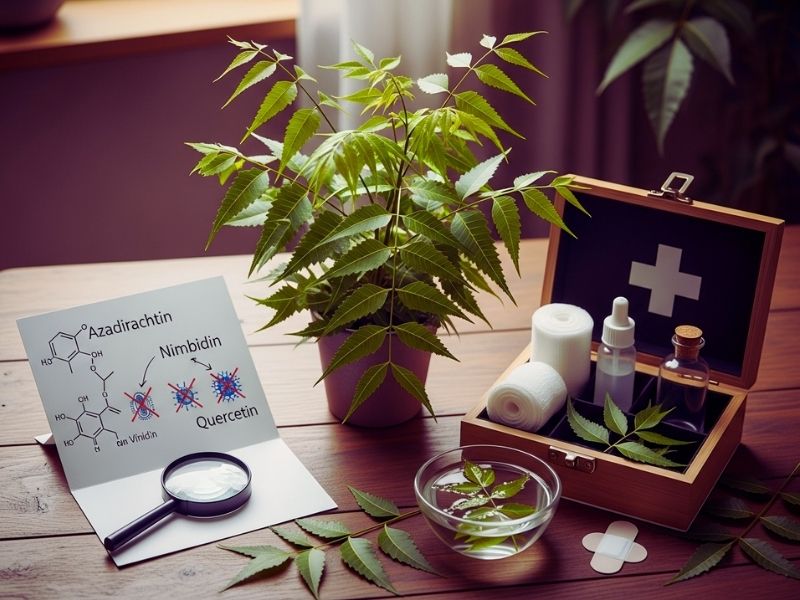
You can make a thick paste by crushing neem leaves with a little water and putting it on skin that is infected or irritated. Neem paste works especially well on skin infections, itchy spots, fungal spots, and wounds that are oozing. It slows the growth of bacteria and lowers the chance of spreading infection. You can also use neem water, which is a mild boiled infusion of neem leaves, to clean wounds naturally. Neem is very helpful for homes that deal with outdoor injuries or infections during the humid season because it deeply cleanses the skin.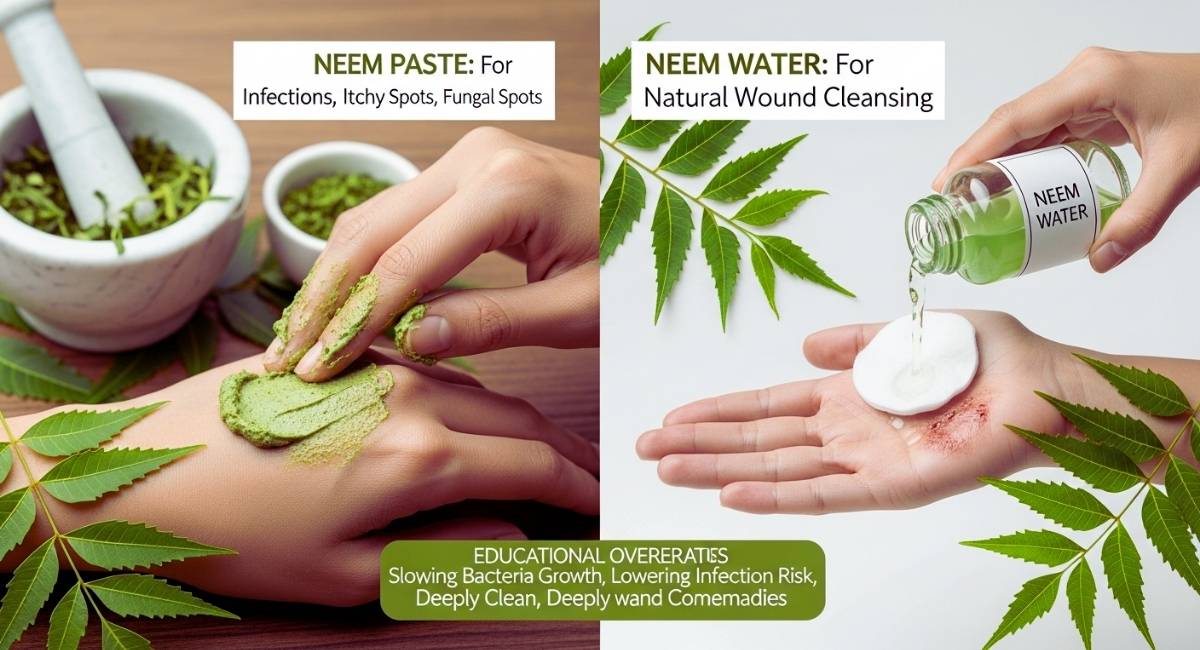
Calendula: A gentle herbal remedy for cuts and skin repair :
Calendula is a very gentle but powerful herbal remedy for cuts, scrapes, small wounds, and skin that heals slowly. Calendula petals have triterpenoids, flavonoids, and carotenoids in them. These substances make the herb very good at healing wounds. Calendula helps blood flow to the hurt area, lowers inflammation, and encourages the growth of new skin tissue. It is especially good for skin that is sensitive or for injuries that need to heal slowly and carefully.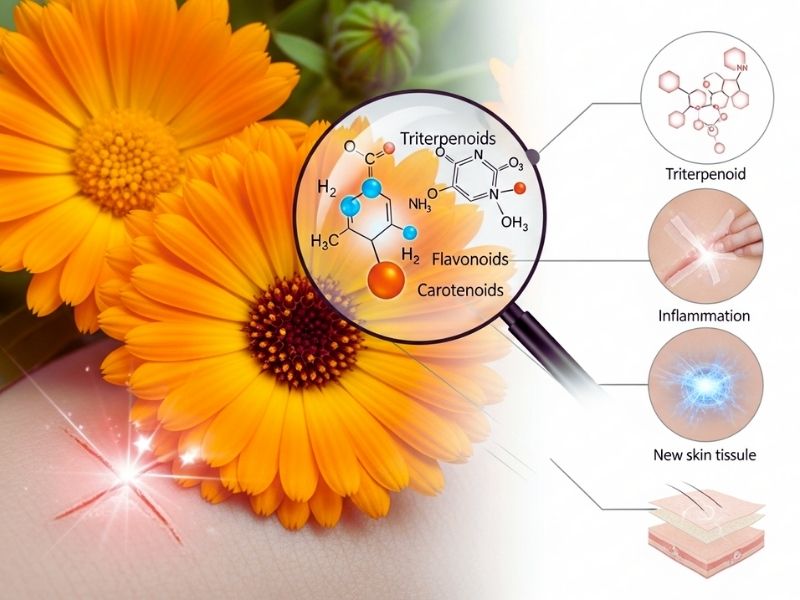
If you grow calendula at home, you can make a quick healing paste out of the fresh petals. When you crush the petals, the healing oils come out. You can put these oils directly on wounds or inflamed skin.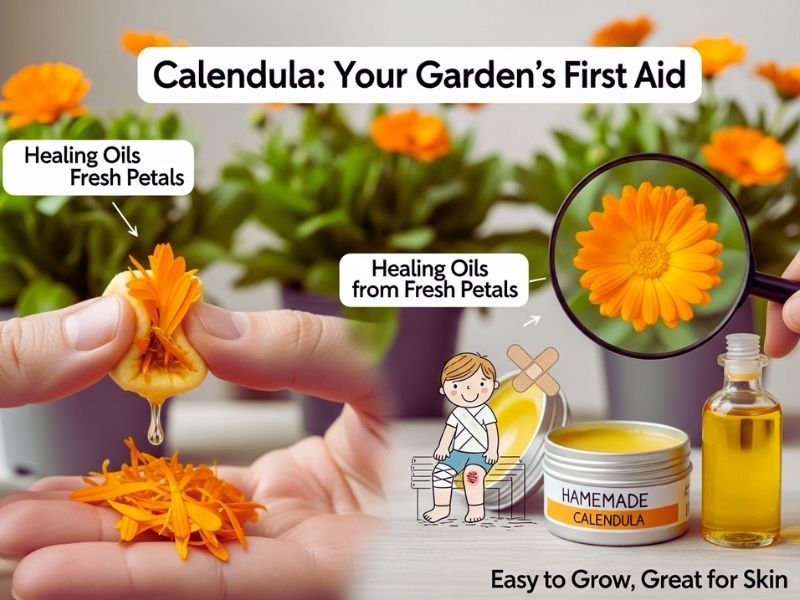 Calendula is great for kids’ injuries because it is soothing and doesn’t irritate the skin. Some people also make calendula oil or salve at home by soaking the petals in coconut oil or olive oil. This oil is a mild antibacterial and anti-inflammatory treatment for daily skin care. It’s easy to grow calendula, and its flowers attract helpful bugs to the garden, making it both pretty and good for you.
Lavender: A calming herb for pain, burns, and inflammation :
Lavender is a strong first-aid herb, and its smell is known to be calming. Linalool and linalyl acetate are two of the essential oils that help lessen pain, swelling, and the growth of bacteria. Lavender works very well for burns, skin irritation, insect bites, skin inflammation caused by stress, and mild infections. Lavender eases pain right away when put on burns and helps keep scars from forming.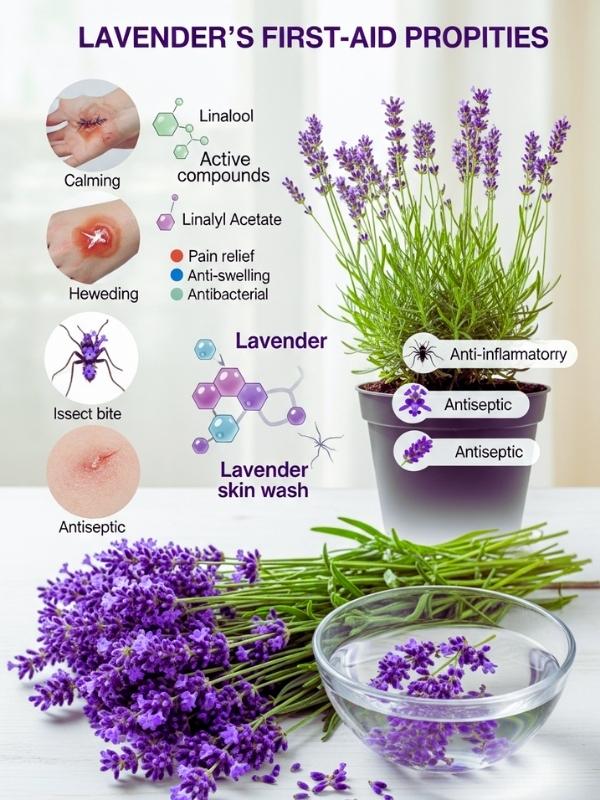
You can use fresh lavender flowers or leaves to make a home remedy for minor burns or cuts. Just crush them lightly and apply the fragrant juice. You can also make lavender water by boiling some flowers in water and then using the water as a natural wash for your skin. It’s easy to grow lavender in pots or gardens outside that get a lot of sun. Its fresh smell also keeps bugs and mosquitoes away from the area around the house. Lavender is especially helpful for injuries that happen at night because its calming scent calms the nerves and eases the stress that comes with pain.
Gotu Kola: A fast-acting herb that heals cuts and helps skin grow back :
Gotu kola (Centella asiatica) is a strong herb that is often used to heal wounds and repair tissue. Asiaticoside and madecassoside are two of its active ingredients that boost collagen production and speed up skin healing. Gotu kola is very helpful for cuts, small open wounds, surgical scars, and injuries that take a long time to heal. It also helps scars fade.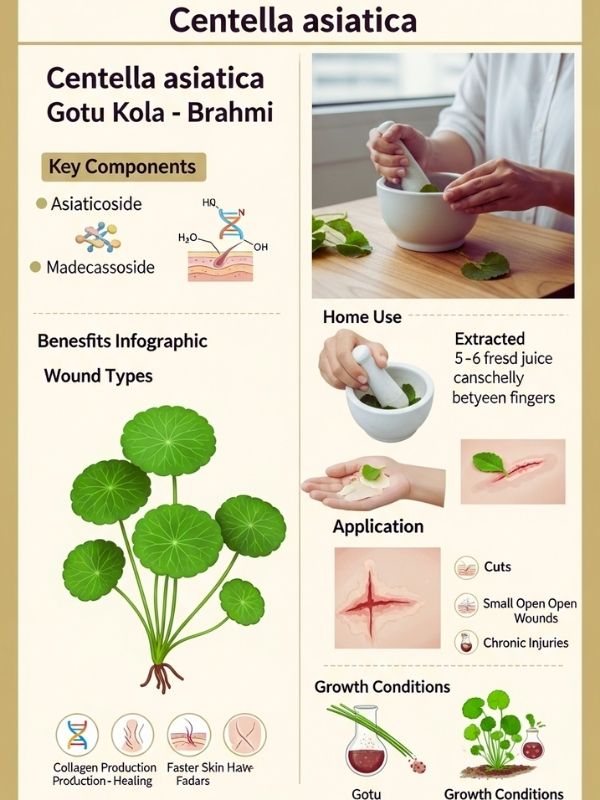
To use gotu kola at home, crush 5–6 fresh leaves and put the juice right on the wound. The herb’s natural chemicals get deep into the skin and help new tissue grow. Gotu kola grows well in moist soil, low light, or partial shade, so it’s great for pots on the balcony or in the kitchen garden. Because it is mild, it is safe to use for a long time and is great for taking care of wounds over and over again.
Plantain Leaf: A Quick Fix for Bites, Stings, and Skin Irritation :
Plantain leaf (Plantago major) is one of the best herbs to use in an emergency for insect bites, bee stings, painful rashes, and skin irritation. It has allantoin, aucubin, and mucilage in it, which help damaged skin feel better right away. People often use plantain as a “natural bandage” because it pulls toxins or irritants out of the skin.
For first aid, chew or crush the leaf until it becomes a wet, sticky pulp and put it right on the sore spot. It stops itching, burning, and swelling right away. Plantain grows naturally in many places and is easy to grow as a low-maintenance herb. It works very well for injuries that happen outside, especially when you’re gardening or traveling.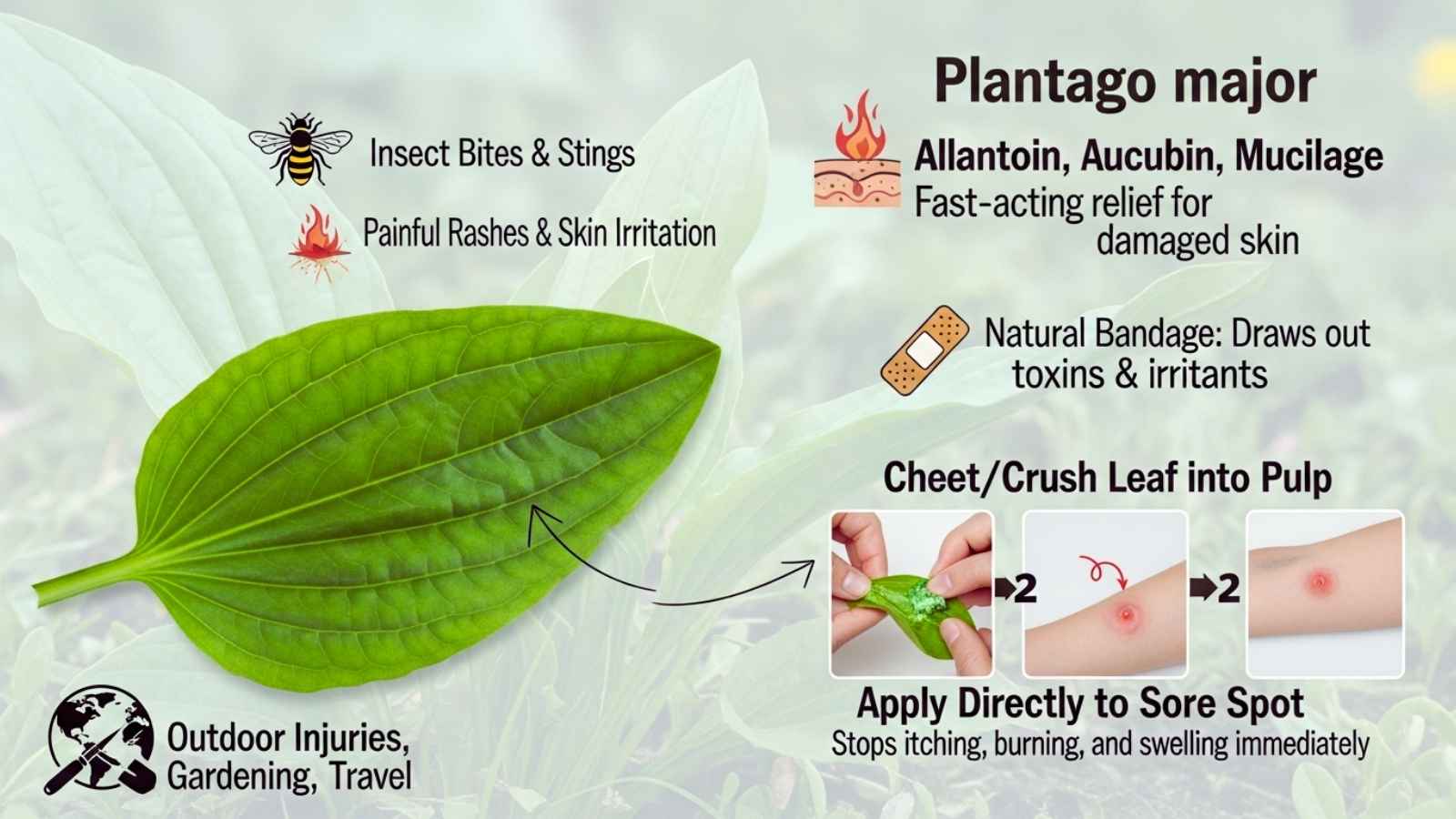
Peppermint: A cool way to ease burns, itching, and swelling :
Peppermint is great for easing itching, burning, and inflammation caused by small cuts, allergic reactions, or insect bites. The main ingredient, menthol, cools the skin and eases pain and irritation. The juice from peppermint leaves helps clean the skin a little and soothes redness.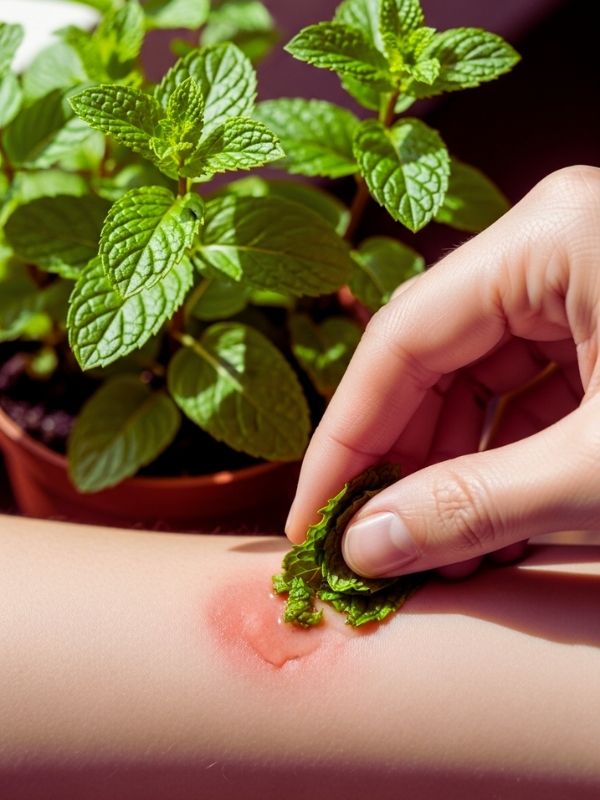
To use peppermint for first aid, crush the leaves to get the juice out and put it right on the skin. It cools the skin right away, which makes it very helpful for summer injuries. Peppermint grows quickly and doesn’t need much care, which makes it great for home herbal gardens.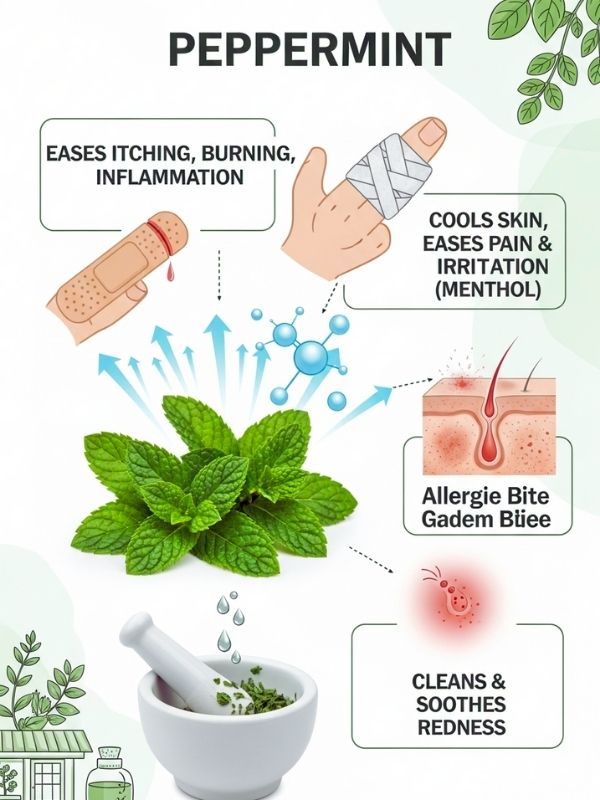
Last Thoughts: How to Make Your Own Herbal First Aid Garden :
Herbs that you grow yourself are a great way to get natural first aid. They give you quick access to safe and effective treatments for cuts, burns, infections, bites, and other common skin issues. Each of the herbs above has its own healing properties. For example, aloe vera cools, neem fights germs, turmeric reduces inflammation, lavender calms, and gotu kola heals wounds. You can make your own living first-aid kit by growing just a few of these herbs. This will help your health and make you less dependent on synthetic chemicals.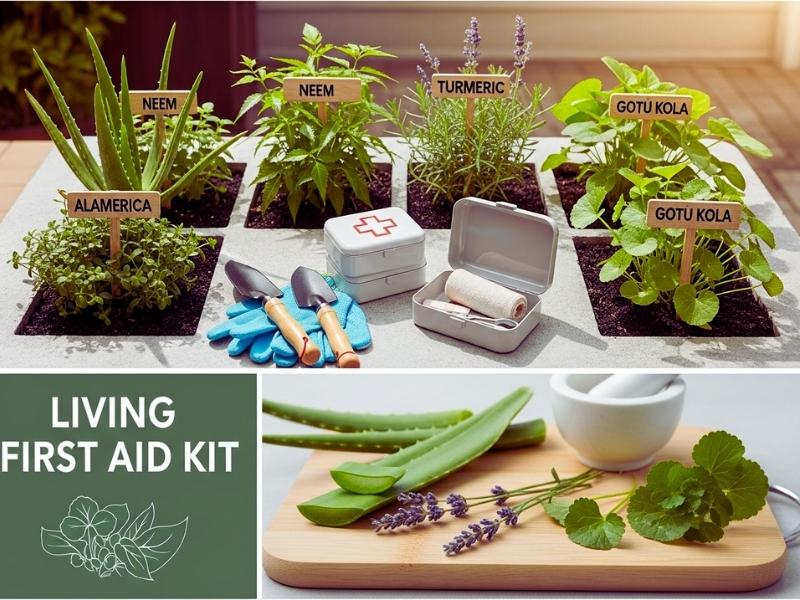
Always make sure that the plant is clean, properly identified, and prepared correctly when using herbal remedies. These herbs are strong, but doctors should always take care of serious injuries or wounds that are deeply infected. These plants are still safe, reliable, and very useful for everyday first aid needs. If you know the right things and have a small garden, nature can be your best doctor.