
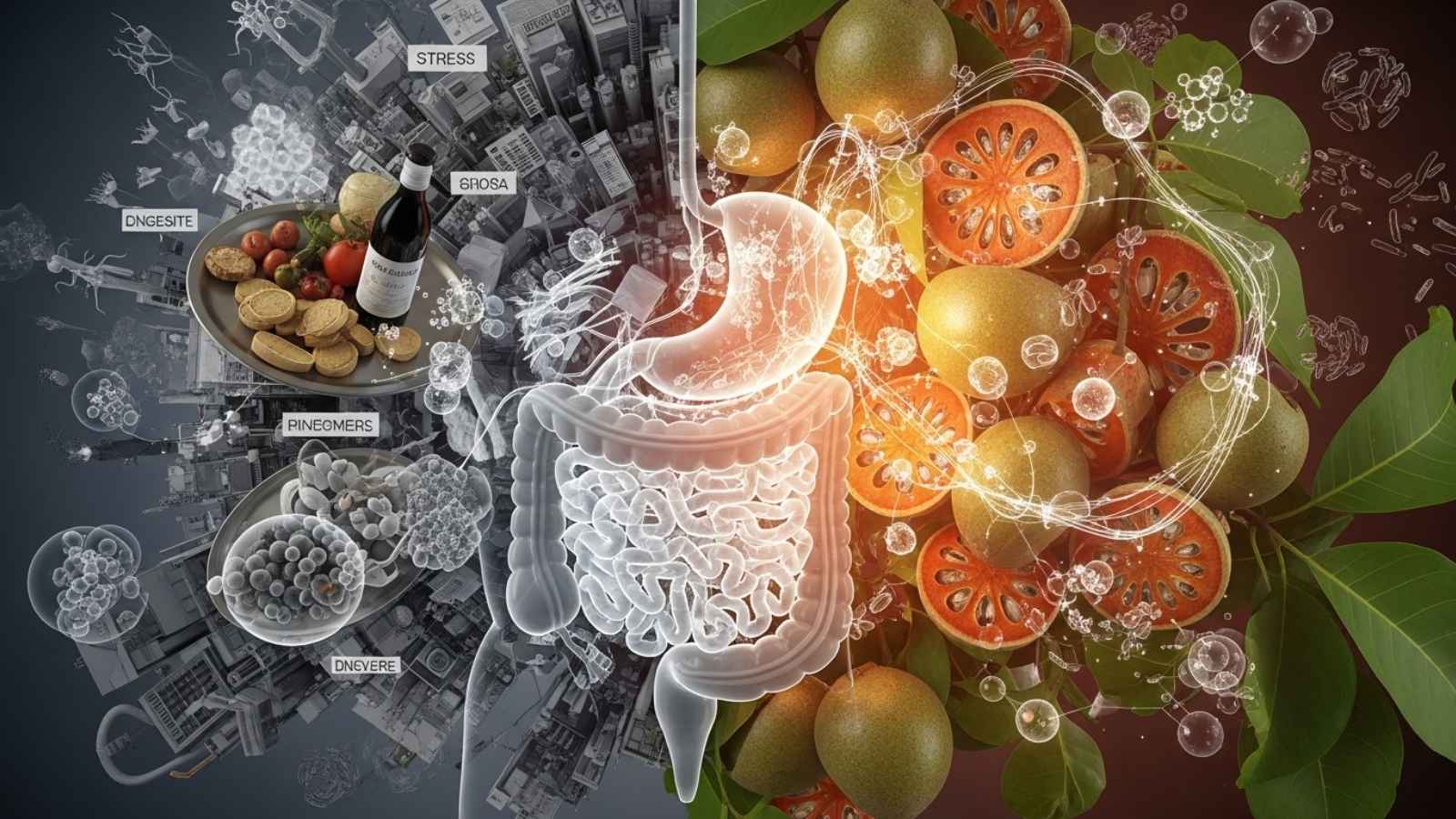
Digestive disorders are some of the most common health problems that people have in the modern world. Poor eating habits, long-term stress, environmental toxins, and not getting enough exercise are all linked to conditions like indigestion, constipation, diarrhea, irritable bowel syndrome, acid reflux, and gut inflammation. While pharmaceutical interventions offer symptomatic relief, prolonged dependence frequently disturbs gut microbiota equilibrium and undermines natural digestive processes. This has sparked renewed scientific interest in traditional medicinal plants that promote digestion at a physiological level. Bael (Aegle marmelos) is a sacred medicinal fruit that is commonly used in Ayurveda, Siddha, and Unani systems of medicine. Modern research shows that bael fruit helps with digestion by boosting digestive enzymes, controlling how the intestines move, strengthening the gut mucosa, and restoring the balance of microbes. This article looks at the digestive benefits of bael fruit from a scientific point of view, explaining how its bioactive compounds work on the digestive system to support gut health over time.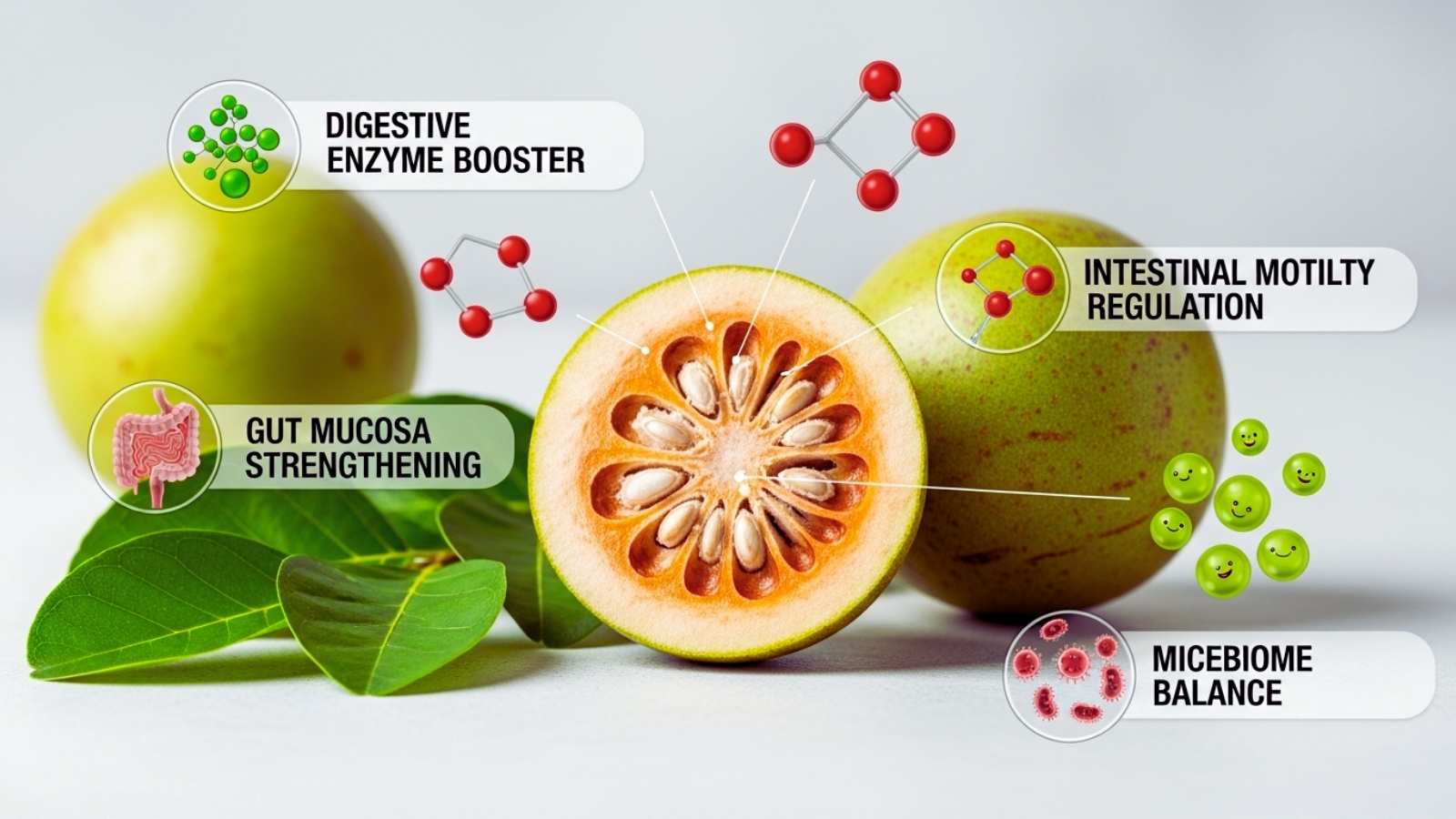
Botanical and Phytochemical Characteristics of Bael Fruit
Bael, or Aegle marmelos (L.) Corrêa, is a member of the Rutaceae family. The fruit has a tough, woody shell and a pulp that smells good. The pulp’s chemical makeup changes as the fruit ripens. Unripe bael fruit has a lot of tannins and astringent compounds, while ripe bael fruit has more carbohydrates, pectins, organic acids, and bioactive phytochemicals. Phytochemical analyses indicate the existence of marmelosin (imperatorin), aegeline, skimmianine, lupeol, β-sitosterol, flavonoids, coumarins, alkaloids, and phenolic acids. These substances are very important for stimulating digestion, releasing enzymes, fighting off germs, and healing the intestines. Bael fruit is uniquely effective for regulating digestion because these phytochemicals work together to do so instead of just masking the symptoms.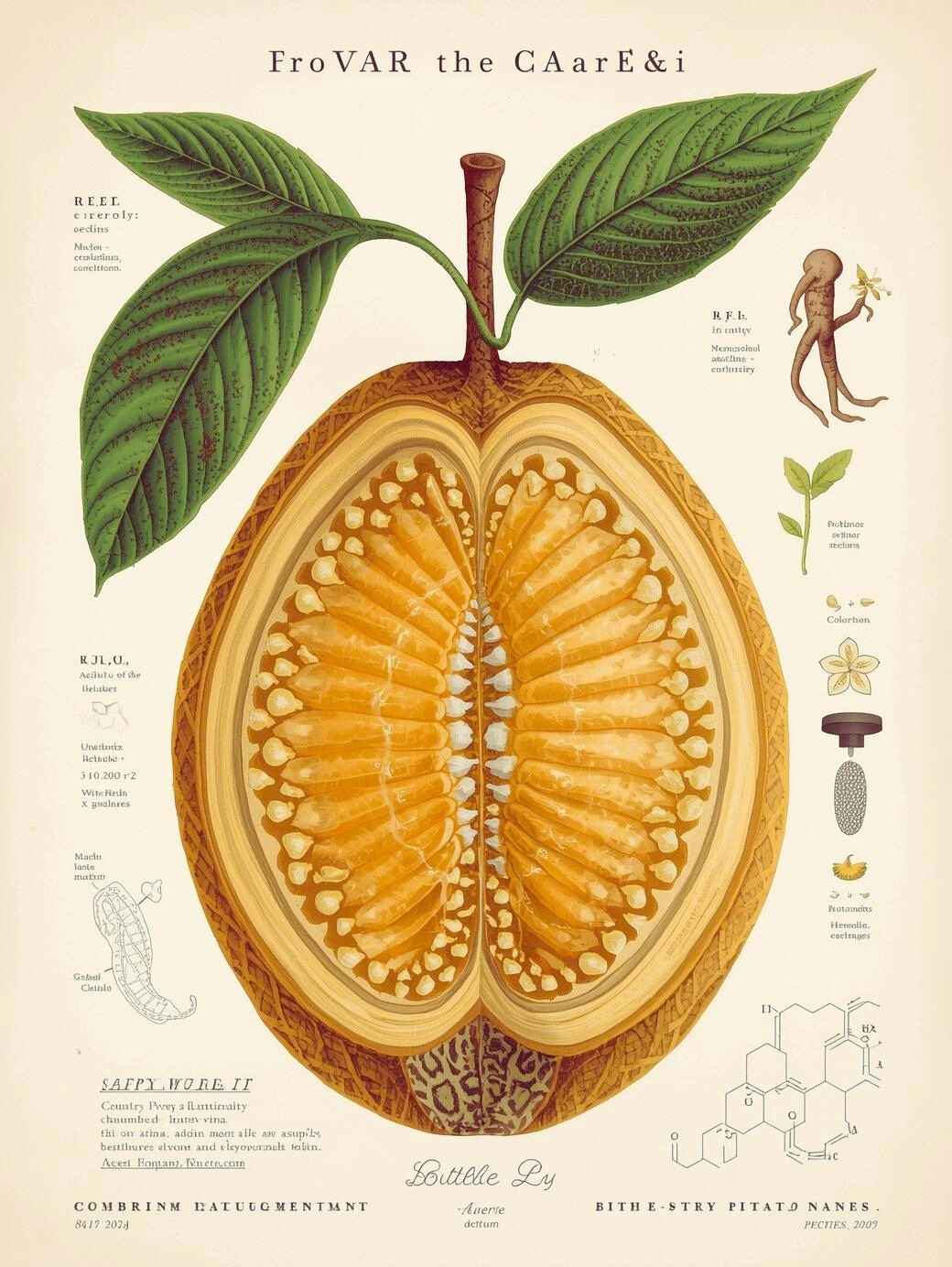
Encouraging the secretion of gastric juices and digestive enzymes
One of the main ways that bael fruit helps digestion is by making the body produce more digestive enzymes. Amylase, protease, lipase, and pepsin are enzymes that help the gastrointestinal tract break down fats, proteins, and carbohydrates into nutrients that the body can use. Experimental studies demonstrate that bael fruit extracts augment pancreatic enzyme secretion and elevate gastric juice production without inducing excessive acidity. Compounds such as marmelosin and aegeline affect the pancreas and the lining of the stomach, making enzymes work better and speeding up digestion. This stimulation of enzymes stops food from sitting in the stomach, stops fermentation, and reduces gas formation. This makes symptoms like bloating, heaviness, and discomfort after eating less severe. Bael is good for long-term use because it supports the body’s natural enzyme production instead of replacing it like synthetic digestive tonics do.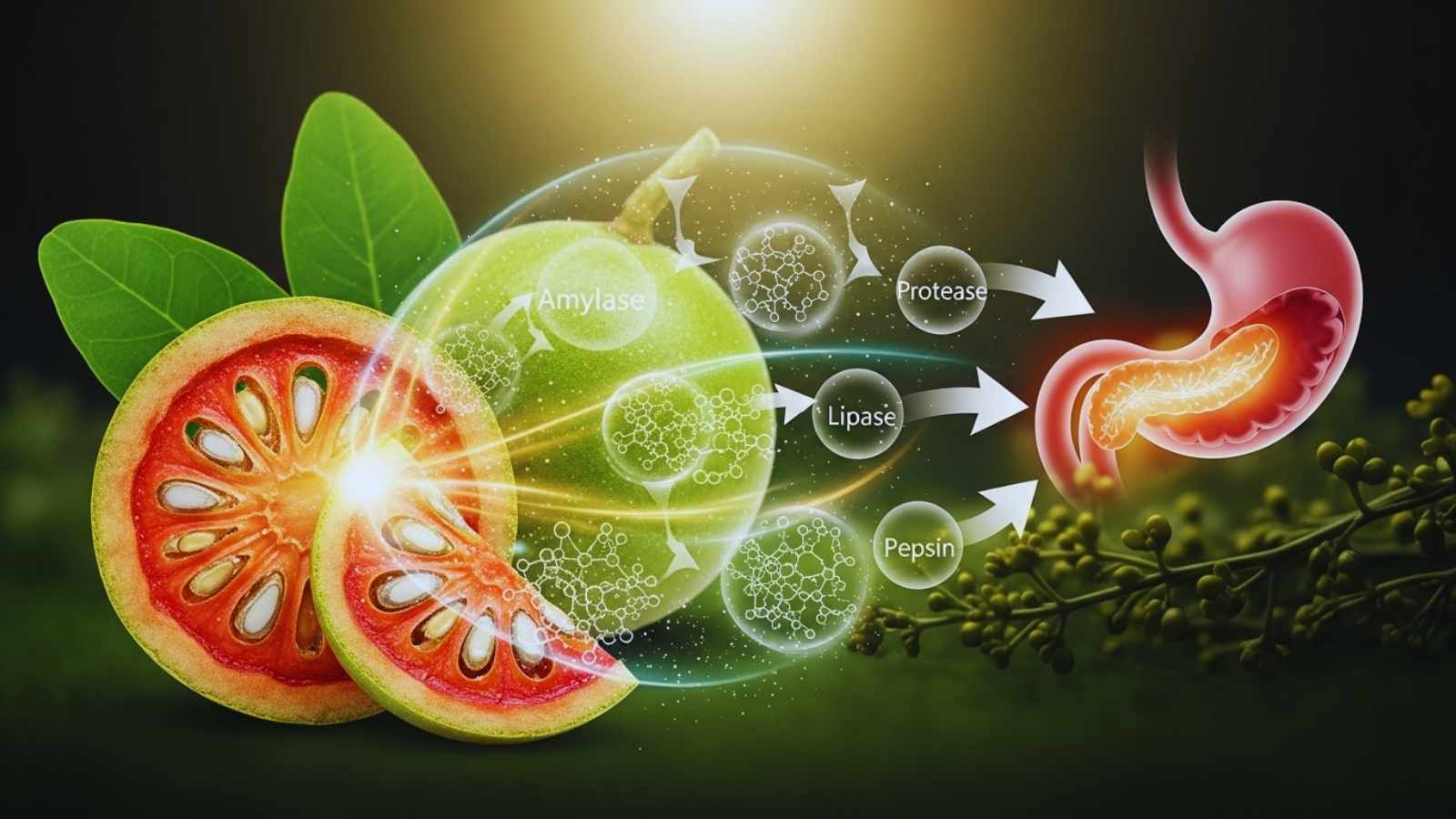
Improvement of Intestinal Function and Gut Motility
Proper intestinal motility is just as important for good digestion as enzyme activity. When peristalsis is not working right, it can cause constipation, diarrhea, or changing bowel habits. Bael fruit has bidirectional effects on gut motility, which means it can make both slow and fast intestines work normally. Bael’s fiber and bioactive compounds affect the tone of smooth muscle in the intestinal wall, which helps with coordinated peristaltic movement. When someone is constipated, ripe bael fruit makes their stool bigger and helps them hold onto water, which makes it easier for them to go to the bathroom. On the other hand, unripe bael fruit has a mild antiperistaltic and astringent effect because of the tannins in it. This makes it good for stopping diarrhea. This adaptive action makes bael fruit very useful for functional bowel disorders where the main problem is an imbalance in motility.
Strengthening and protecting the intestinal mucosa
The intestinal mucosal lining protects the body by keeping harmful pathogens, toxins, and undigested food particles from entering the bloodstream. If this barrier is damaged, it can lead to problems like leaky gut syndrome, chronic inflammation, and malabsorption. Bael fruit helps keep mucosal integrity by being an antioxidant, anti-inflammatory, and mucoprotective substance. Bael’s flavonoids and phenolic compounds get rid of reactive oxygen species that hurt epithelial cells, and its coumarins help tissues heal.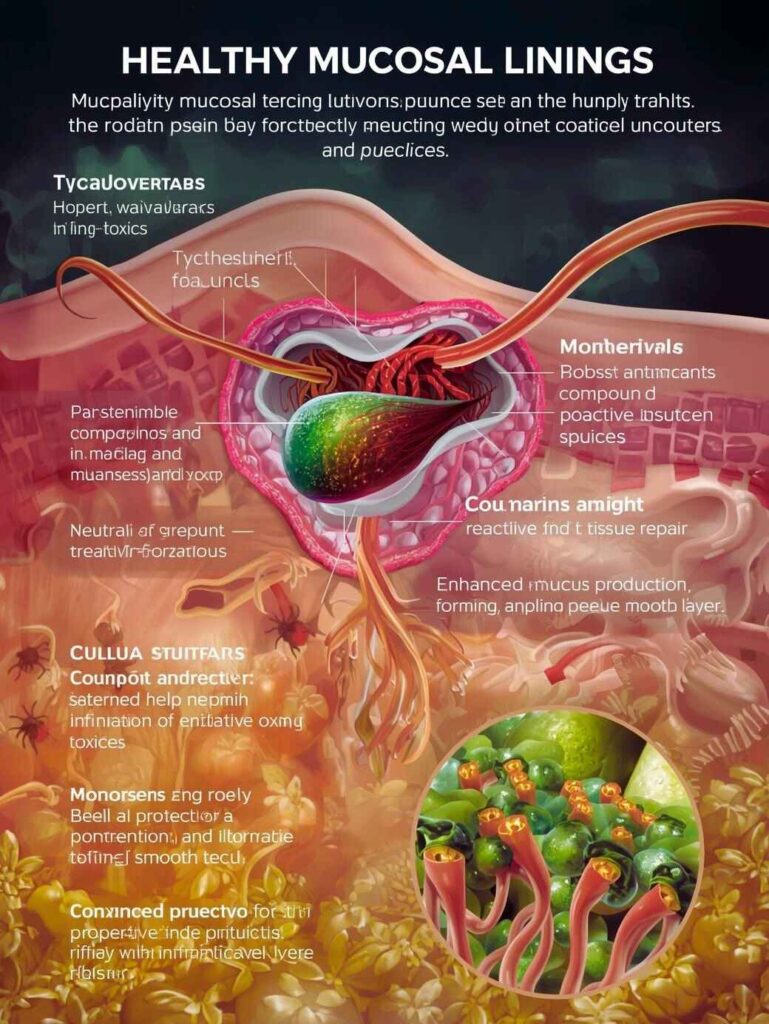 Studies indicate that bael fruit enhances mucus production in the intestinal lining, creating a protective barrier that prevents irritation and ulceration. This is especially helpful for people with gastritis, colitis, or other inflammatory bowel diseases where the erosion of the mucosa makes it harder to digest food and absorb nutrients.
Controlling the gut microbiome and fighting germs
A balanced gut microbiome is very important for a healthy digestive system. Dysbiosis, which means that the bacteria in the gut are not in balance, can cause indigestion, bloating, diarrhea, and a weaker immune system. Bael fruit has antimicrobial properties that target harmful bacteria like Escherichia coli, Shigella, Salmonella, and Vibrio cholerae while leaving helpful gut bacteria alone. Bael contains alkaloids and tannins that stop bacteria from sticking to surfaces and making toxins.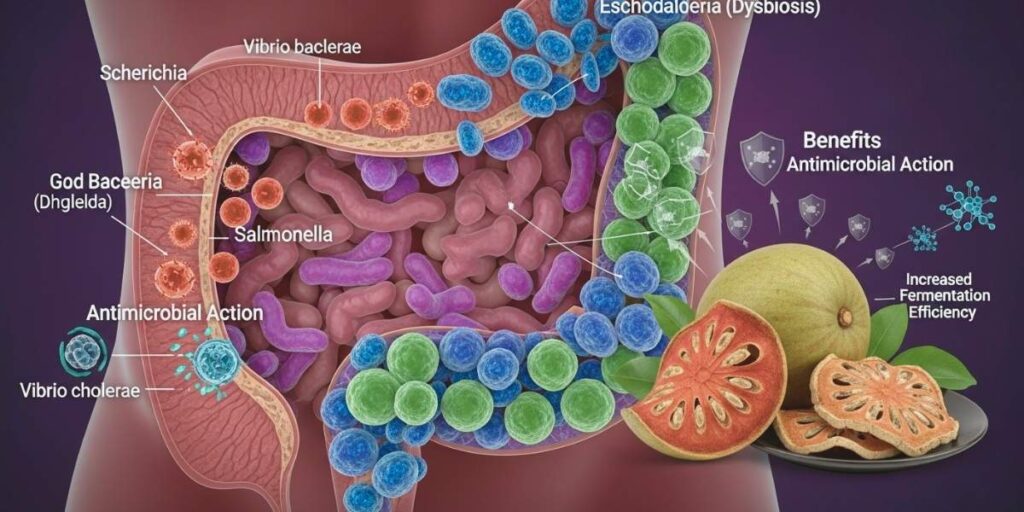 This lowers the risk of intestinal infections and inflammation. Bael fruit helps restore microbial balance by keeping harmful microbes in check without killing all the bacteria in the gut. This effect on the microbiota makes fermentation more efficient and increases the production of vitamins and short-chain fatty acids, all of which are good for digestive health.
Function in Controlling Chronic Diarrhea and Dysentery
Bael fruit is well-known for its ability to help with chronic diarrhea and dysentery. The pulp of unripe bael fruit has a lot of tannins, which have a strong astringent effect on the lining of the intestines. This lowers the amount of fluid that is released into the gut lumen and makes the epithelial junctions tighter, which lowers the frequency and volume of stools. Clinical observations indicate that bael fruit not only alleviates symptoms but also targets underlying conditions such as intestinal inflammation and microbial infection. Bael fruit helps the bowel function return to normal slowly, making it safer to use for a long time, especially in children and older people. This is different from antidiarrheal drugs, which slow down gut movement without regard for the cause.
Enhancement of Nutrient Assimilation and Metabolic Efficacy
The ultimate goal of good digestion is to get the most nutrients into the body. Even when you eat enough, poor digestion can still cause you to be low in important vitamins, minerals, and amino acids. Bael fruit greatly increases the bioavailability of nutrients by increasing enzyme secretion, keeping mucosal integrity, and controlling microbiota. 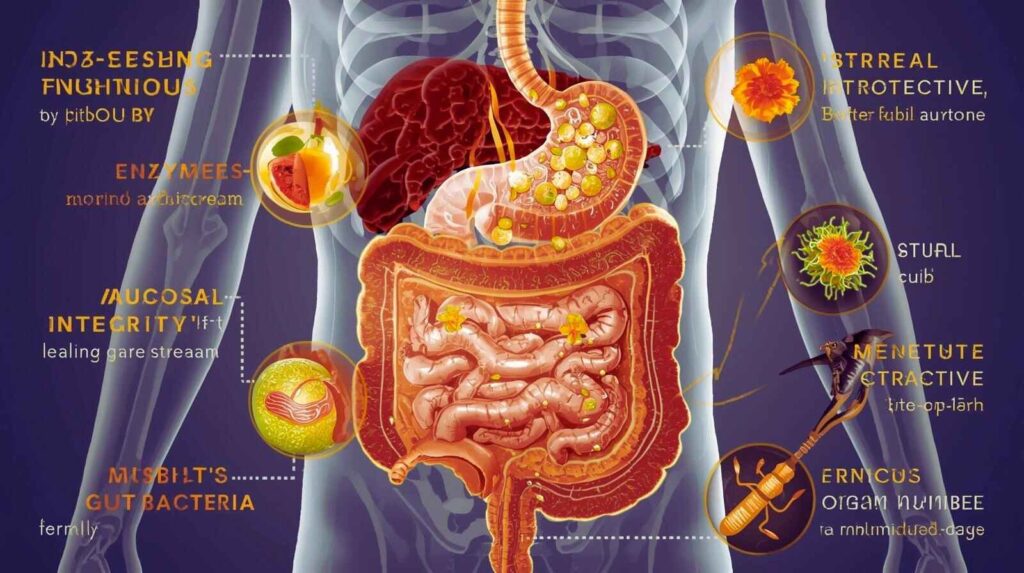 Research indicates that the consistent intake of bael enhances the absorption of iron, calcium, and fat-soluble vitamins by improving intestinal conditions. Better digestion also makes your metabolism work better, which cuts down on tiredness, weakness, and feeling sluggish after meals. This is why bael is often suggested for people who are recovering from an illness, are tired from digestion, or have long-term digestive problems.
Effects of Anti-Inflammatory Drugs on the Digestive System
Chronic low-grade gut inflammation is a major cause of digestive problems and discomfort. Bioactive compounds in bael fruit stop inflammatory mediators like prostaglandins, tumor necrosis factor-alpha, and interleukins from working. Bael lowers swelling, pain, and sensitivity in the digestive tract by changing the way inflammation works. This anti-inflammatory action not only eases symptoms like stomach cramps and burning sensations, 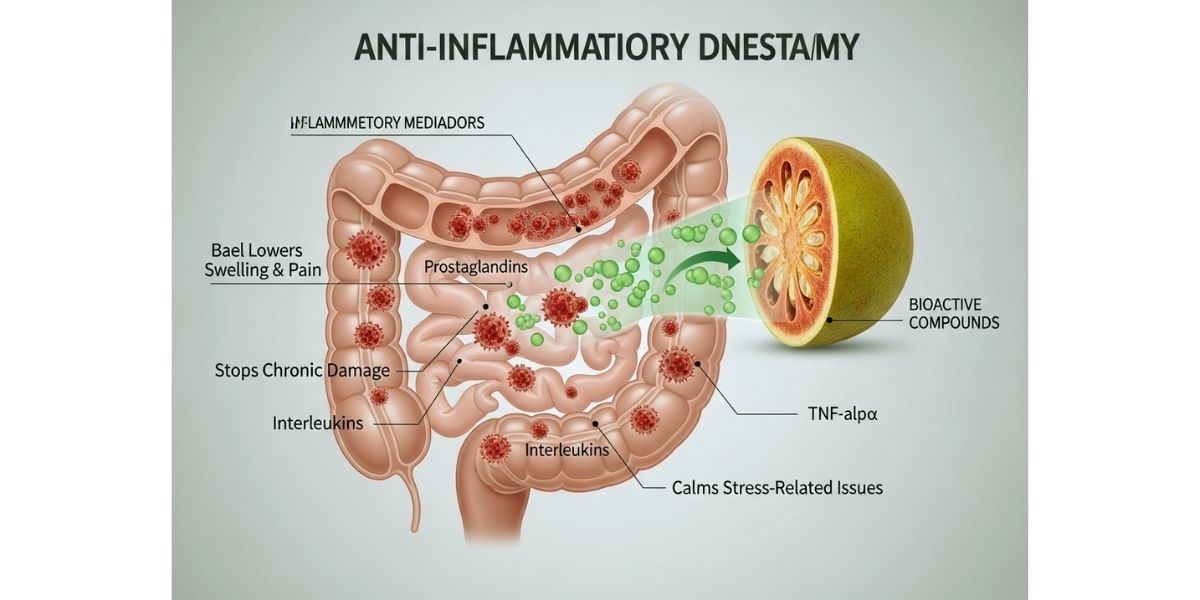 but it also stops long-term damage to the structure of the intestines. Bael is especially helpful for people who have stress-related digestive problems or inflammatory bowel tendencies because it can calm inflammation and help digestion.
Traditional Use and Modern Scientific Proof
Ayurveda classifies bael as a deepana (digestive stimulant) and grahi (absorptive agent), which means that it helps the digestive fire and keeps bowel movements regular. For hundreds of years, people have used traditional forms of bael sherbet, bael powder, and decoctions to treat digestive problems.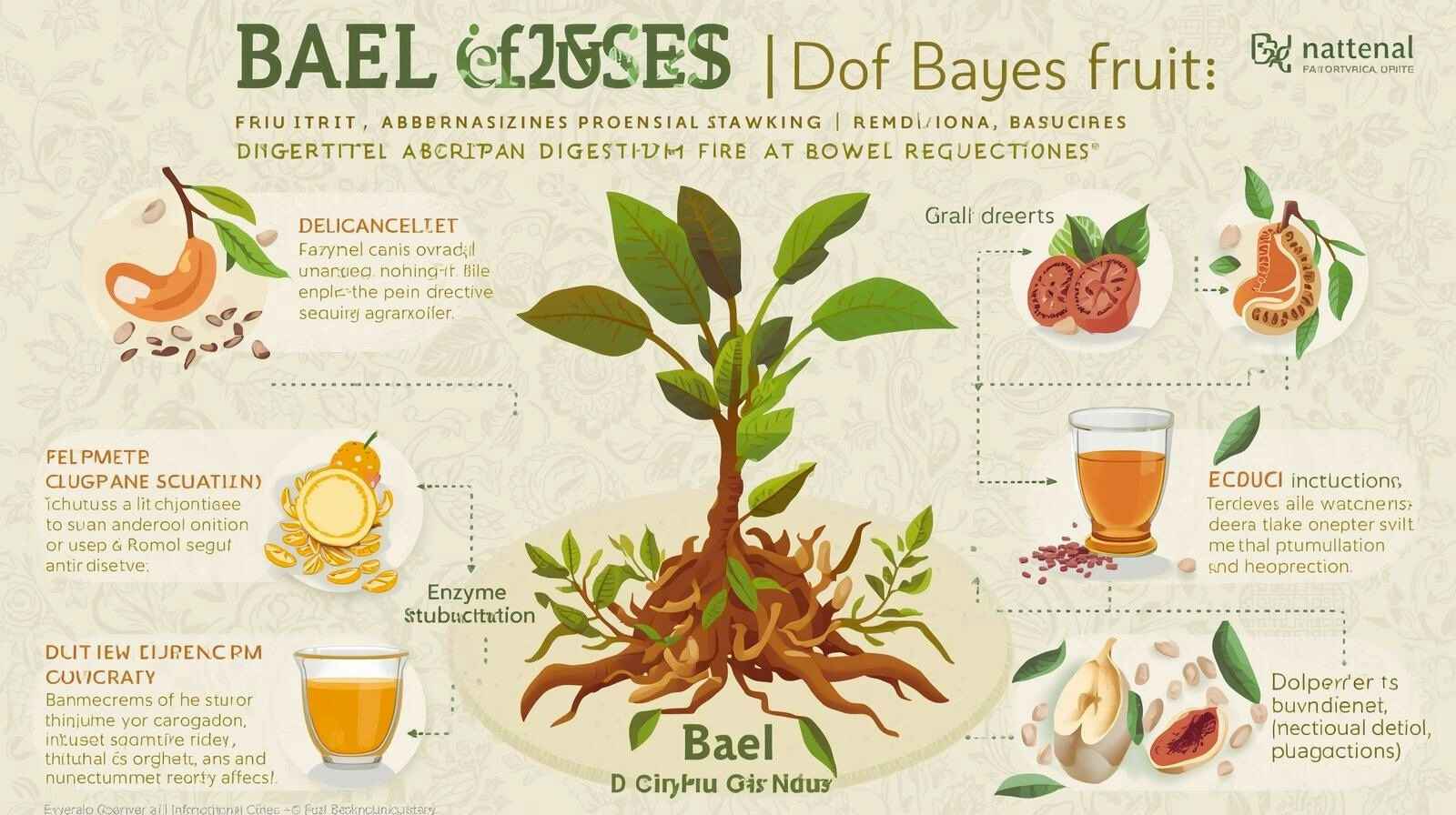 Contemporary pharmacological research substantiates these traditional assertions by illustrating bael’s enzyme-stimulating, antimicrobial, and mucoprotective properties. The combination of traditional knowledge and scientific evidence makes bael more believable as a functional food and a digestive aid in modern health practices.
Safety, Dosage, and Other Important Things to Think About
Bael fruit is usually safe to eat or drink in the right amounts. People usually drink ripe bael fruit juice or eat the pulp. They also use unripe fruit in powdered or decoction form for health reasons. Eating too much bael, especially unripe bael, can cause constipation because it is very astringent. People with serious gastrointestinal problems or who are taking medication should talk to a doctor before using it for a long time. Bael fruit is a gentle but effective way to improve digestion without the negative effects of synthetic digestive stimulants when used with care.
In conclusion, bael fruit is a natural way to regulate digestion
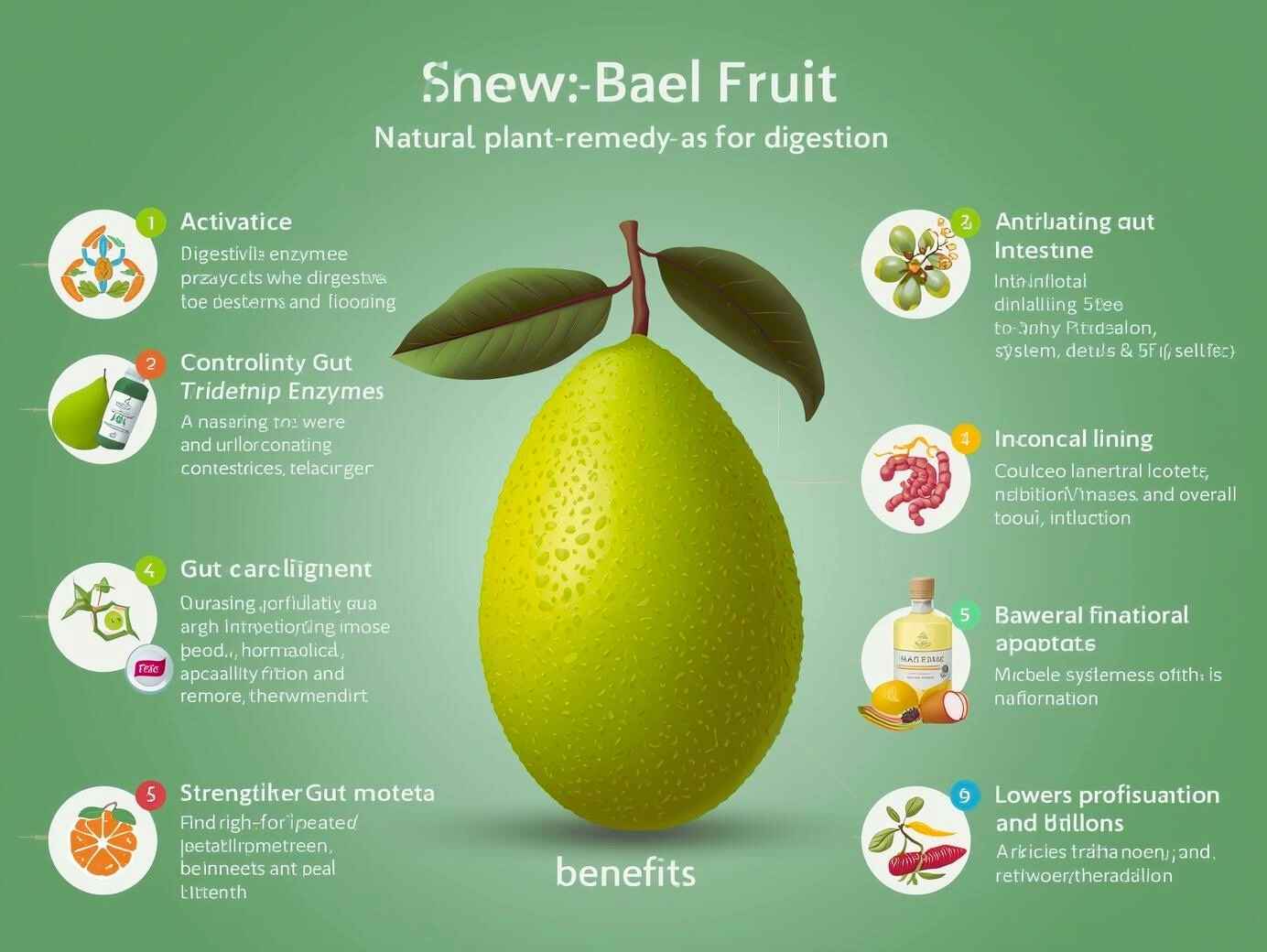 Bael fruit is a scientifically proven natural remedy that helps digestion by activating digestive enzymes, controlling gut motility, strengthening the intestinal lining, balancing the microbiota, and lowering inflammation. It does more than just treat the symptoms; it also addresses the causes and effects of digestive problems. Bael fruit is a long-lasting, plant-based solution based on traditional knowledge and backed by modern science in a time when digestive problems are becoming more common. Adding bael to your diet or treatment plan can greatly improve your gut health, nutrient absorption, and overall well-being. This reinforces its status as one of nature’s most helpful digestive aids.