

Amla, scientifically known as Emblica officinalis or Phyllanthus emblica, is one of the most respected medicinal fruits in traditional Indian healing systems. In Charaka Samhita and Sushruta Samhita, Amla is described as a powerful Rasayana, meaning a rejuvenating substance that promotes longevity and vitality. Commonly called Indian gooseberry, Amla has been used for centuries to strengthen immunity, improve digestion, support heart health, and maintain youthful energy.
In modern times, scientific research is beginning to confirm many of these traditional claims. Amla supports long-term wellness not by targeting a single symptom but by improving multiple physiological systems simultaneously. Its rich antioxidant profile, adaptogenic properties, and bioactive compounds make it a natural ally for sustainable health.
Rich Source of Natural Antioxidants
One of the primary reasons Amla supports long-term wellness is its exceptionally high antioxidant content. It is particularly rich in vitamin C (ascorbic acid), along with polyphenols such as gallic acid, ellagic acid, emblicanin A and B, and flavonoids. These compounds help neutralize free radicals, which are unstable molecules responsible for oxidative stress in the body.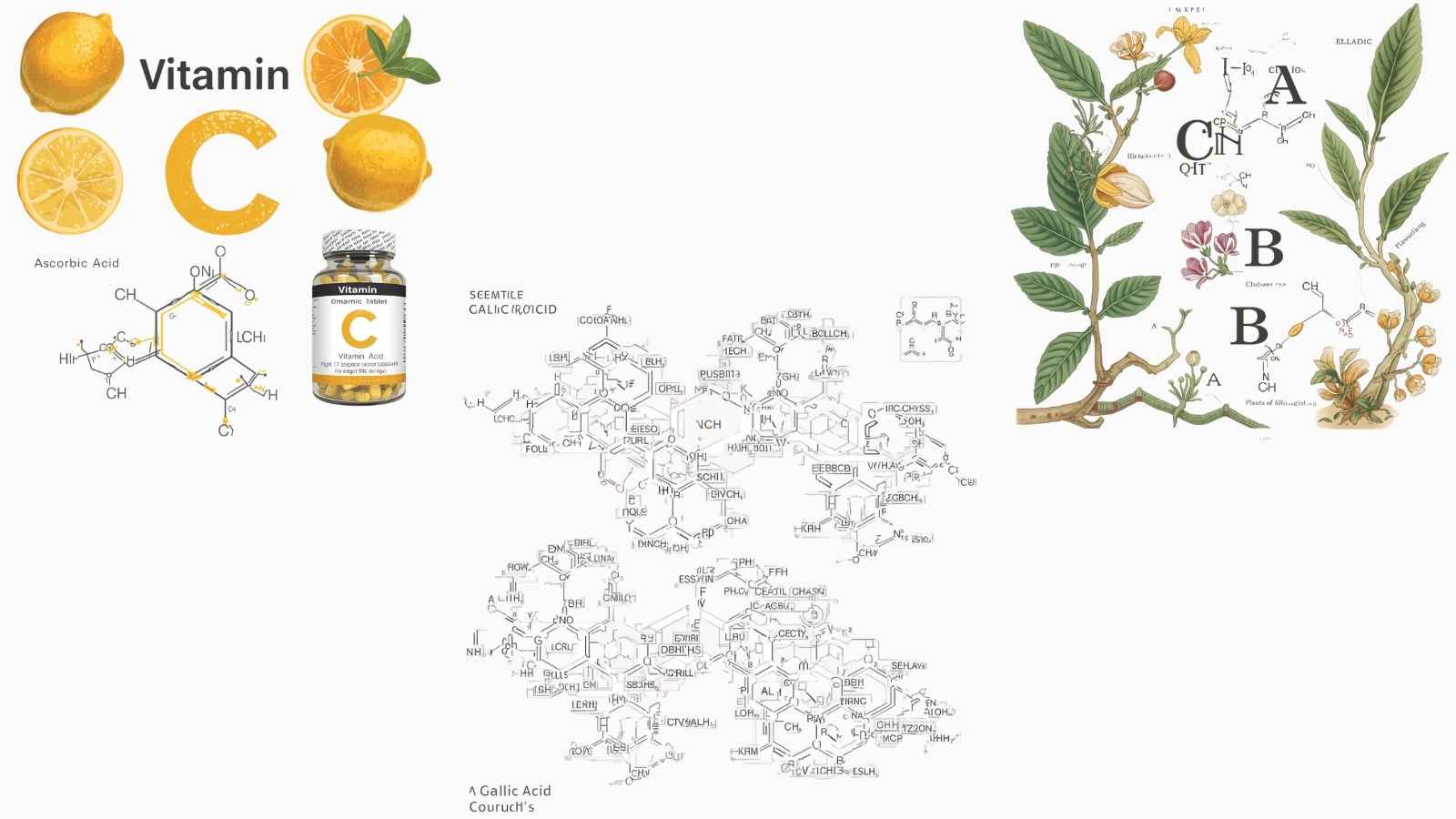
Oxidative stress plays a key role in aging and the development of chronic diseases such as cardiovascular disease, diabetes, and neurodegenerative disorders. By reducing oxidative damage at the cellular level, Amla helps maintain cellular integrity and slows down the degenerative processes associated with aging. Unlike synthetic supplements, the vitamin C in Amla is stabilized by tannins, which enhance its bioavailability and prolong its antioxidant action.
Immune System Modulation and Disease Prevention
Long-term wellness depends heavily on a balanced immune system. Amla acts as an immunomodulator, meaning it helps regulate immune responses rather than overstimulating them. The fruit enhances the activity of white blood cells, improves macrophage function, and supports the production of natural killer cells.
Regular consumption of Amla has been associated with improved resistance to infections and reduced inflammation. Chronic inflammation is linked to many long-term health conditions, including arthritis, metabolic syndrome, and autoimmune disorders. The anti-inflammatory properties of Amla are largely attributed to its polyphenols and vitamin C content, which inhibit pro-inflammatory cytokines and reduce systemic inflammation.
Digestive Health and Nutrient Absorption
Healthy digestion is the foundation of long-term wellness. In traditional medicine, Amla is known to balance all three doshas—Vata, Pitta, and Kapha—making it suitable for most body types.  From a scientific perspective, Amla stimulates gastric secretions, improves enzyme activity, and enhances nutrient absorption.
It helps regulate bowel movements due to its mild laxative properties while also supporting the integrity of the intestinal mucosa. By promoting a healthy gut microbiota, Amla contributes to better metabolic function and immune health. A balanced gut environment improves the absorption of essential vitamins and minerals, ensuring the body receives the nutrients it needs for long-term vitality.
Cardiovascular Protection and Metabolic Balance
Cardiovascular disease remains one of the leading causes of mortality worldwide. Amla supports heart health through multiple mechanisms. Studies have shown that it can help reduce total cholesterol, low-density lipoprotein (LDL), and triglyceride levels while increasing high-density lipoprotein (HDL).
The bioactive compounds in Amla also improve endothelial function and reduce oxidative stress in blood vessels. This helps maintain arterial flexibility and healthy blood circulation. Additionally, Amla has demonstrated hypoglycemic effects, supporting healthy blood glucose regulation. By improving insulin sensitivity and reducing oxidative damage in pancreatic cells, Amla contributes to metabolic stability and lowers the risk of type 2 diabetes over time.
Liver Detoxification and Organ Protection
The liver plays a central role in detoxification and metabolic regulation. Amla exhibits hepatoprotective properties, meaning it protects liver cells from toxin-induced damage. The antioxidants in Amla help neutralize harmful substances and support phase I and phase II detoxification pathways.
Long-term exposure to environmental toxins, processed foods, and oxidative stress can impair liver function. Regular intake of Amla may help restore enzymatic balance and improve liver biomarkers. By maintaining liver health, Amla indirectly supports hormonal balance, digestion, and overall metabolic efficiency.
Cognitive Function and Neuroprotection
Brain health is a critical component of long-term wellness. Oxidative stress and chronic inflammation are major contributors to cognitive decline. Amla’s antioxidant and anti-inflammatory compounds provide neuroprotective benefits by reducing neuronal damage and improving cerebral blood flow.
Research suggests that Amla may enhance memory and learning capacity by supporting neurotransmitter balance and protecting neurons from degeneration. Its adaptogenic properties help the body cope with stress, which is a major factor in mental fatigue and anxiety. By reducing cortisol levels and improving stress resilience, Amla supports both cognitive clarity and emotional stability.
Skin, Hair, and Healthy Aging
External appearance often reflects internal health. Amla has long been used in natural skincare and haircare formulations. Its high vitamin C content stimulates collagen synthesis, which improves skin elasticity and reduces the formation of wrinkles.
The antioxidant properties protect the skin from ultraviolet-induced damage and environmental pollutants. For hair health, Amla strengthens hair follicles, promotes scalp circulation, and may reduce premature graying due to its protective effects against oxidative stress. These benefits make Amla a natural anti-aging agent that supports both internal and external vitality.
Hormonal Balance and Reproductive Health
Hormonal balance is essential for long-term wellness in both men and women. Amla’s adaptogenic and antioxidant properties support endocrine function by reducing oxidative stress in hormone-producing glands.
In men, Amla has been associated with improved sperm quality and reproductive health due to its ability to reduce oxidative damage in reproductive tissues. In women, it may help regulate menstrual cycles and support overall reproductive wellness. By stabilizing metabolic and hormonal pathways, Amla contributes to balanced energy levels and sustained vitality.
Sustainable Wellness Through Daily Use
One of the most valuable aspects of Amla is its suitability for long-term, daily use. It can be consumed fresh, as juice, in powdered form, or as part of traditional formulations such as Triphala. Because it works gently and holistically, Amla does not simply mask symptoms but supports the body’s natural healing processes.
Its multi-system benefits—ranging from immune enhancement and cardiovascular protection to cognitive support and digestive balance—make it a comprehensive wellness fruit. When combined with a balanced diet, regular exercise, and adequate sleep, Amla becomes a powerful natural tool for maintaining health across all stages of life.
Conclusion
Amla supports long-term wellness naturally by addressing the root causes of many chronic health conditions. Its potent antioxidants combat oxidative stress, its immunomodulatory effects strengthen the immune system, and its adaptogenic qualities enhance stress resilience. In addition, Amla promotes cardiovascular health, digestive efficiency, liver protection, cognitive clarity, and healthy aging.
Unlike quick-fix remedies, Amla works gradually and holistically, nourishing the body at the cellular level. Rooted in ancient Ayurvedic wisdom and increasingly validated by modern science, Amla stands as a timeless example of how nature can support sustainable health. Incorporating Amla into daily life offers a simple yet profound way to cultivate resilience, vitality, and long-term wellness naturally.