
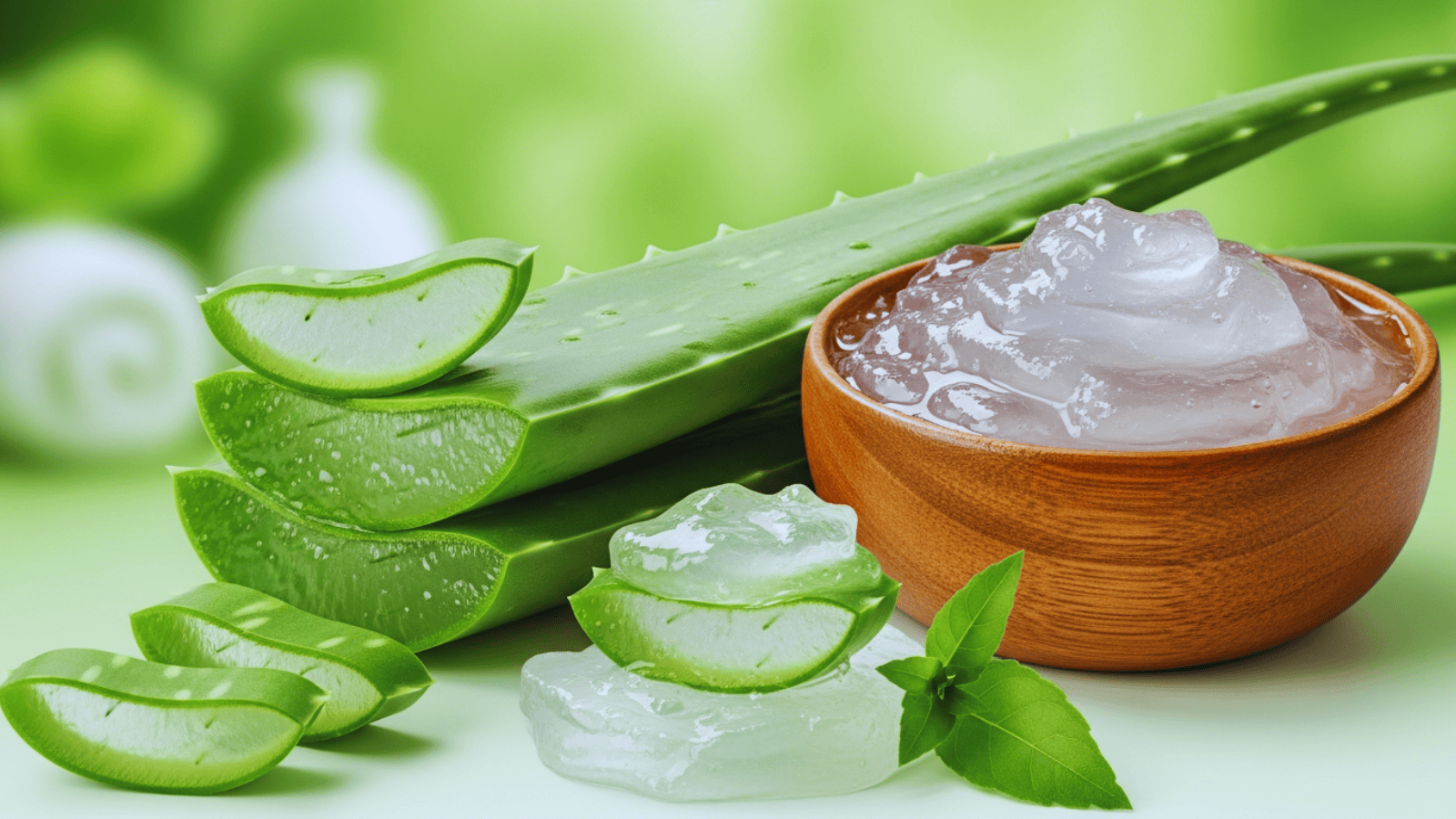
Aloe vera has been used for skin care for hundreds of years in many cultures. It is one of the most popular natural remedies. Aloe is full of soothing gel, vitamins, enzymes, and anti-inflammatory compounds that can help calm irritated skin, speed up healing, and, in some mild cases, lessen the symptoms of some skin infections. This guide tells you how aloe vera works, what infections it might help, and how to use it safely at home. It also tells you when to see a doctor.
Step 1: Learn what aloe vera has in it that is beneficial for the skin
The clear gel in aloe leaves has water, polysaccharides (like acemannan), vitamins A, C, and E, enzymes, and amino acids. These ingredients help wounds heal, keep moisture in, and lower inflammation. Aloe has mild antibacterial and antifungal properties in lab tests, which is why people use it when they think they have a small skin infection or irritation.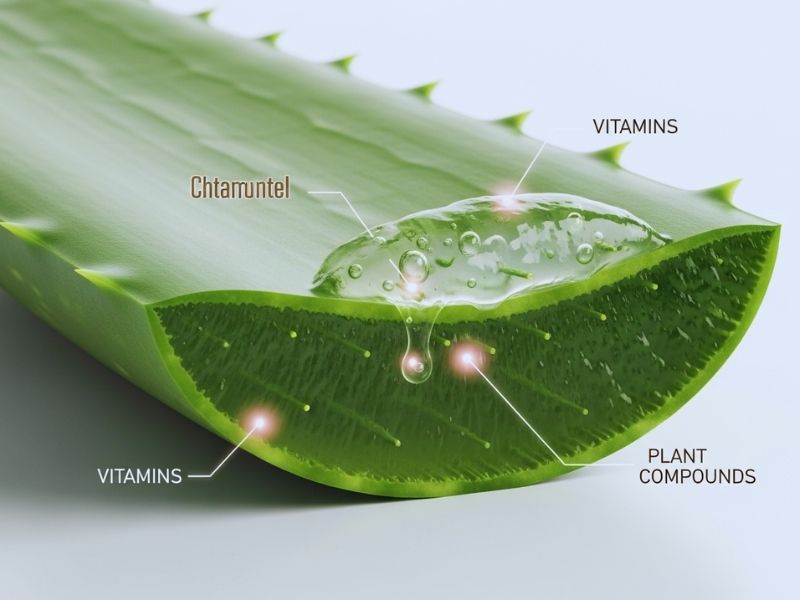
Step 2: Find out what skin problems aloe vera might be able to help with
Aloe works best on small, surface-level problems like small cuts, scrapes, mild fungal irritations like early athlete’s foot symptoms, mild bacterial inflammation around hair follicles, insect bites, and eczema patches that are red and itchy. It doesn’t work for deep, spreading bacterial infections (cellulitis), severe acne cysts, or advanced fungal infections. Those need medical attention.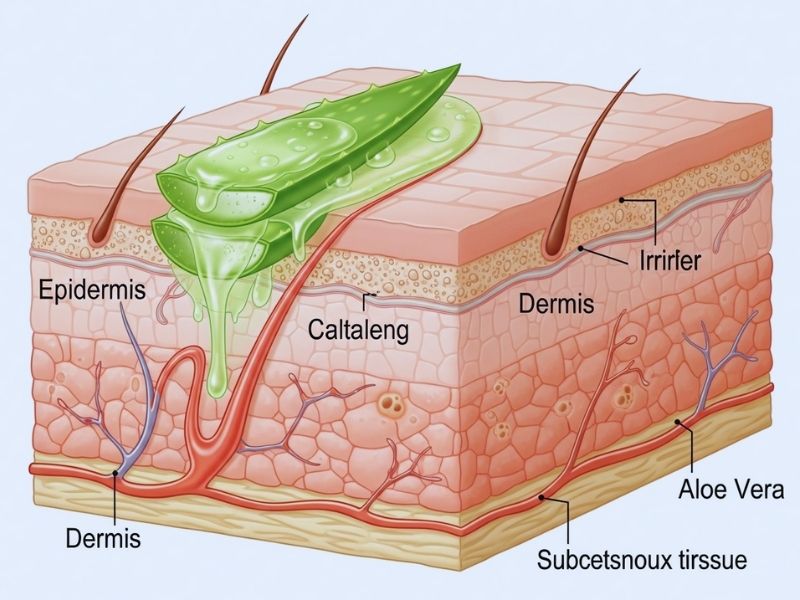
Step 3: Pick either fresh aloe or a good store-bought gel
If you have an aloe vera plant, you can get pure, chemical-free gel by cutting off a mature leaf and using its gel right away. If you buy something from a store, look for one that has a lot of aloe vera listed at the top of the ingredient list and few other ingredients (stay away from lotions with many fragrances and alcohols that can dry out or irritate skin). Look for aloe vera gel that says “stabilized” on the label for a longer shelf life.
Step 4: First, do a patch test
Test a small drop of aloe on your inner forearm first and wait 24 hours before putting it on a larger infected or sensitive area. Some people are allergic to aloe or to the ingredients in store-bought gels. A patch test can help make sure that the product won’t cause a rash, redness, or worse symptoms.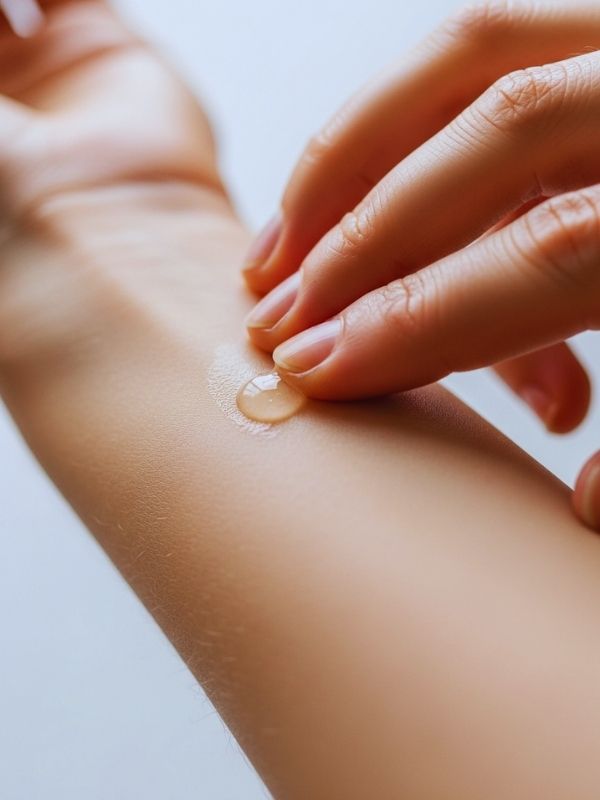
Step 5: Gently cleanse the affected area
Always wash the skin around the infection with warm water and mild, fragrance-free soap first. Use a clean towel to dry the area. Moisture that gets trapped under coverings can make infections worse. Aloe works better on clean skin, and it lowers the chance of adding new bacteria while applying it.
Step 6: Use aloe vera the right way
If you’re using fresh gel, scoop out a thin layer and spread it evenly over the area that hurts. Use clean hands or a sterile cotton pad for commercial gels. Put on a thin, even coat. More is not always better. Unless the wound needs a dressing (covered wounds may need medical advice), leave the gel uncovered so that air and the aloe’s active compounds can work.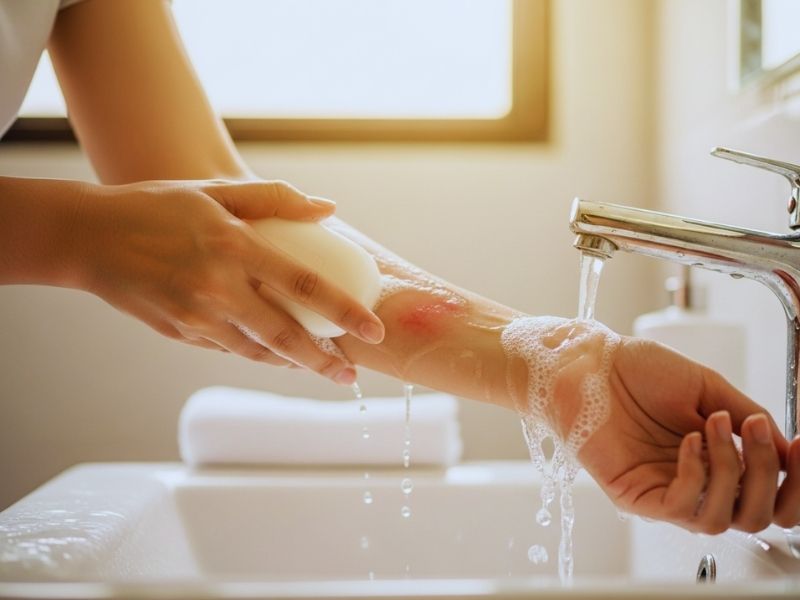
Step 7: Stick to a regular schedule
Use aloe gel 2 to 3 times a day for a week and keep an eye on any changes. If you have a mild infection, the redness should go down, the itching should go down, and the infection should start to heal in a few days. Keep using it until the skin is completely healed if the symptoms get better. Stop and see a doctor if there is no improvement after 48–72 hours or if the symptoms get worse (more pain, spreading redness, fever).
Step 8: Use aloe along with other helpful things
Wear clothes that let air in, keep the area clean and dry, and stay away from things that can irritate it, like strong soaps or heavy creams. For fungal problems, lifestyle changes like keeping your feet dry, changing your socks often, and wearing shoes that let air flow through them can make aloe work even better. For acne or folliculitis, don’t squeeze or pick at the lesions. Instead, gently wash them and use aloe to help reduce swelling without leaving scars.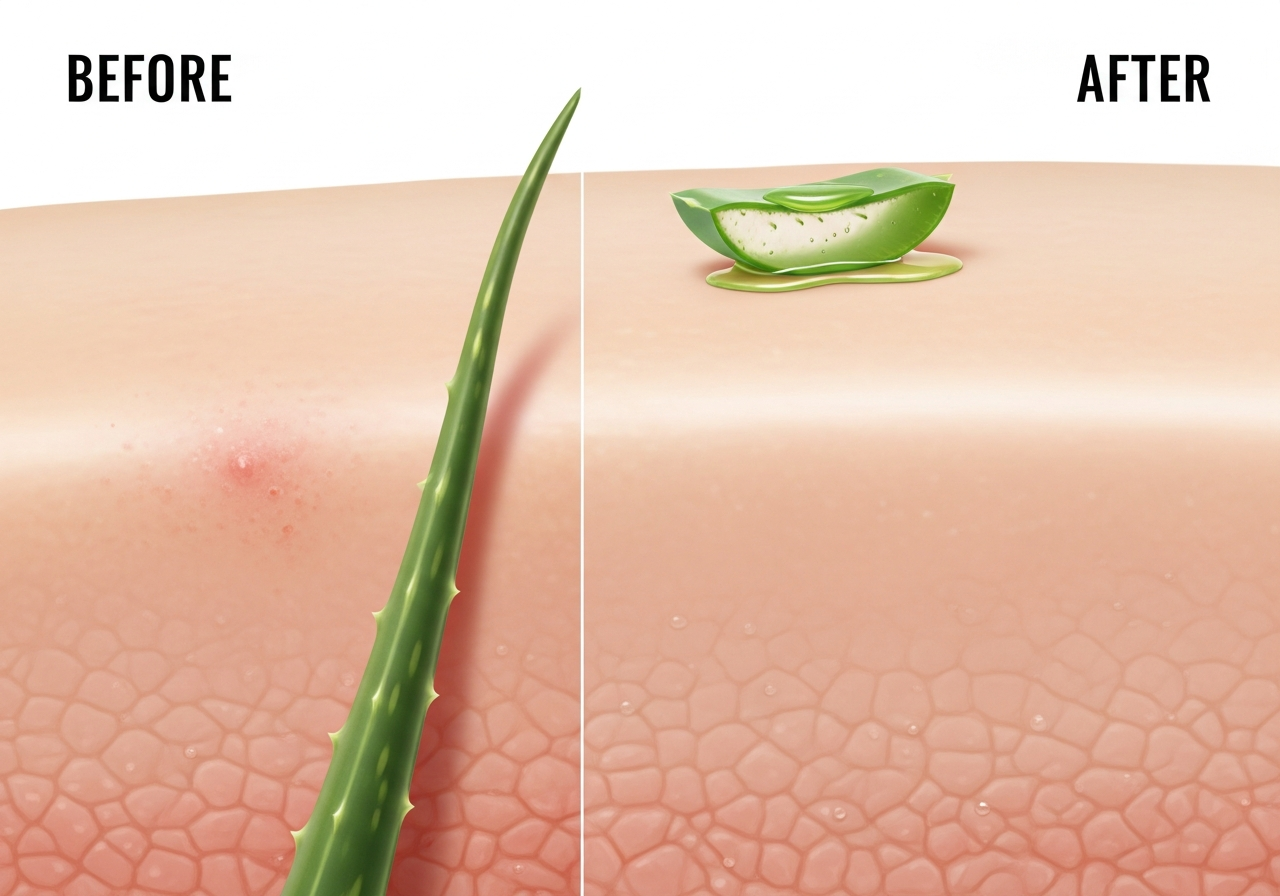
Step 9: Make your own aloe products (with care)
If you aren’t allergic, you can mix fresh aloe gel with a few drops of tea tree oil to make it more effective against germs. Tea tree oil can irritate, so it should be diluted. Aloe with a little bit of turmeric (a natural antiseptic) is a gentle option for topical use, but don’t use powders on open wounds. Homemade mixes are easy to use, but be careful: don’t use additives that haven’t been tested, and never use anything that could trap bacteria or make your skin feel bad.
Step 10: Take extra care if you have certain skin types or conditions
People with eczema, sensitive skin, or broken skin should be extra careful. Some commercial aloe gels have perfumes, preservatives, or alcohol in them that can hurt or make eczema worse. Diabetics should see a doctor right away if they have a small skin infection that gets worse quickly. People who are pregnant or nursing and have serious skin problems should also see a doctor instead of just using home remedies.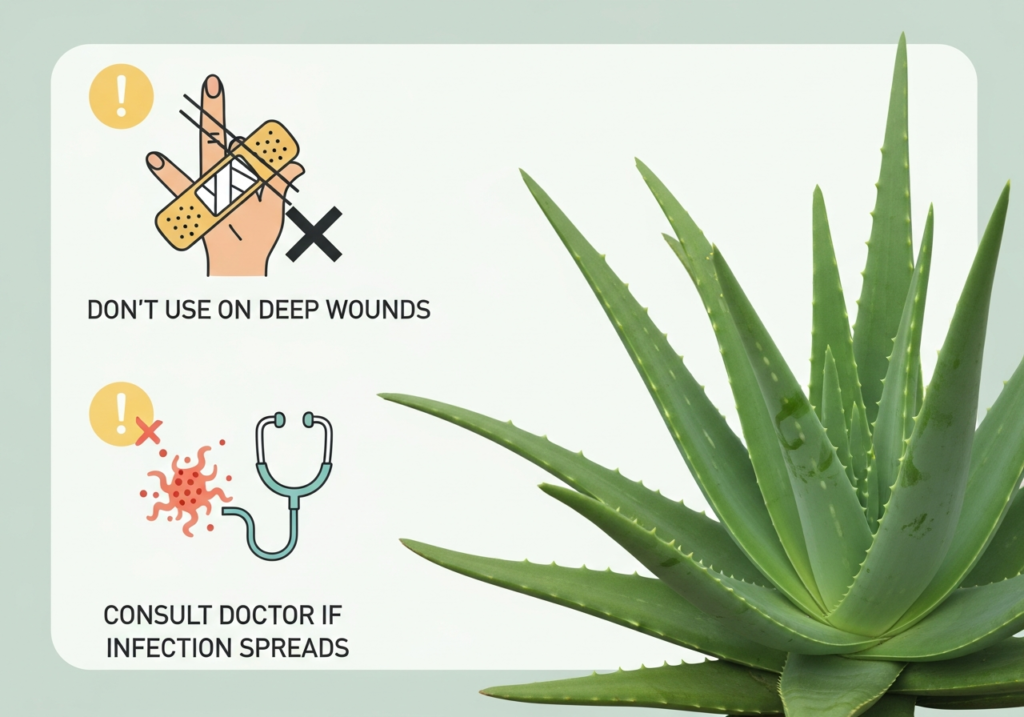
Step 11: Situations in which aloe should not be the sole treatment
Aloe is a gentle, helpful treatment. If you see an infection getting worse, redness spreading quickly, warmth, swollen lymph nodes, pus formation, fever, or any other sign of a severe reaction, you should go to the doctor right away. Professional help is also needed for chronic wounds, diabetic ulcers, or fungal infections that don’t go away. They may need prescription antifungals or antibiotics.
Step 12: Keep track of the results and talk to your doctor about them
Take a picture or write down what the affected area looks like every day so you can see if it gets better or worse. If you are already taking oral or topical medications that your doctor has prescribed, talk to them before adding aloe to make sure it won’t interfere with those medications. Aloe can help with chronic skin issues, but it shouldn’t replace your doctor’s recommended treatments.
Conclusion:
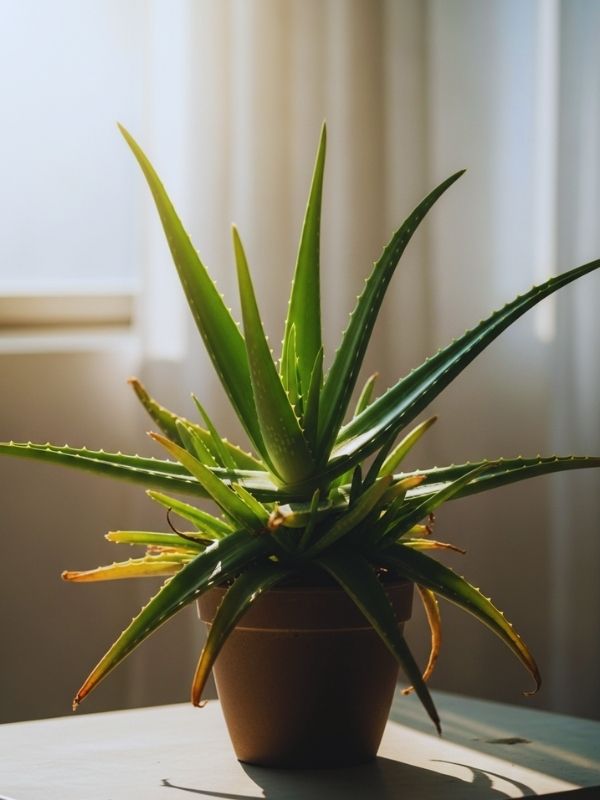
Aloe vera is a gentle, easy-to-find natural option that can help reduce inflammation, speed up healing, and fight off minor skin infections. The safest way to go is to be careful and well-informed: pick a pure product, do a patch test, stick to a clean application routine, keep an eye on your progress, and see a doctor if the condition gets worse, spreads, or doesn’t get better. Aloe can be a useful addition to your natural skin care routine if you use it the right way.
Last tip: For people who read your blog, add a short “How to use” bullet box (for example, patch test, clean the area, apply thin gel 2–3 times a day, and check back in 48–72 hours) and a clear call to action to “see a doctor if symptoms get worse.” That keeps readers safe and up-to-date while also giving them things they can do at home.