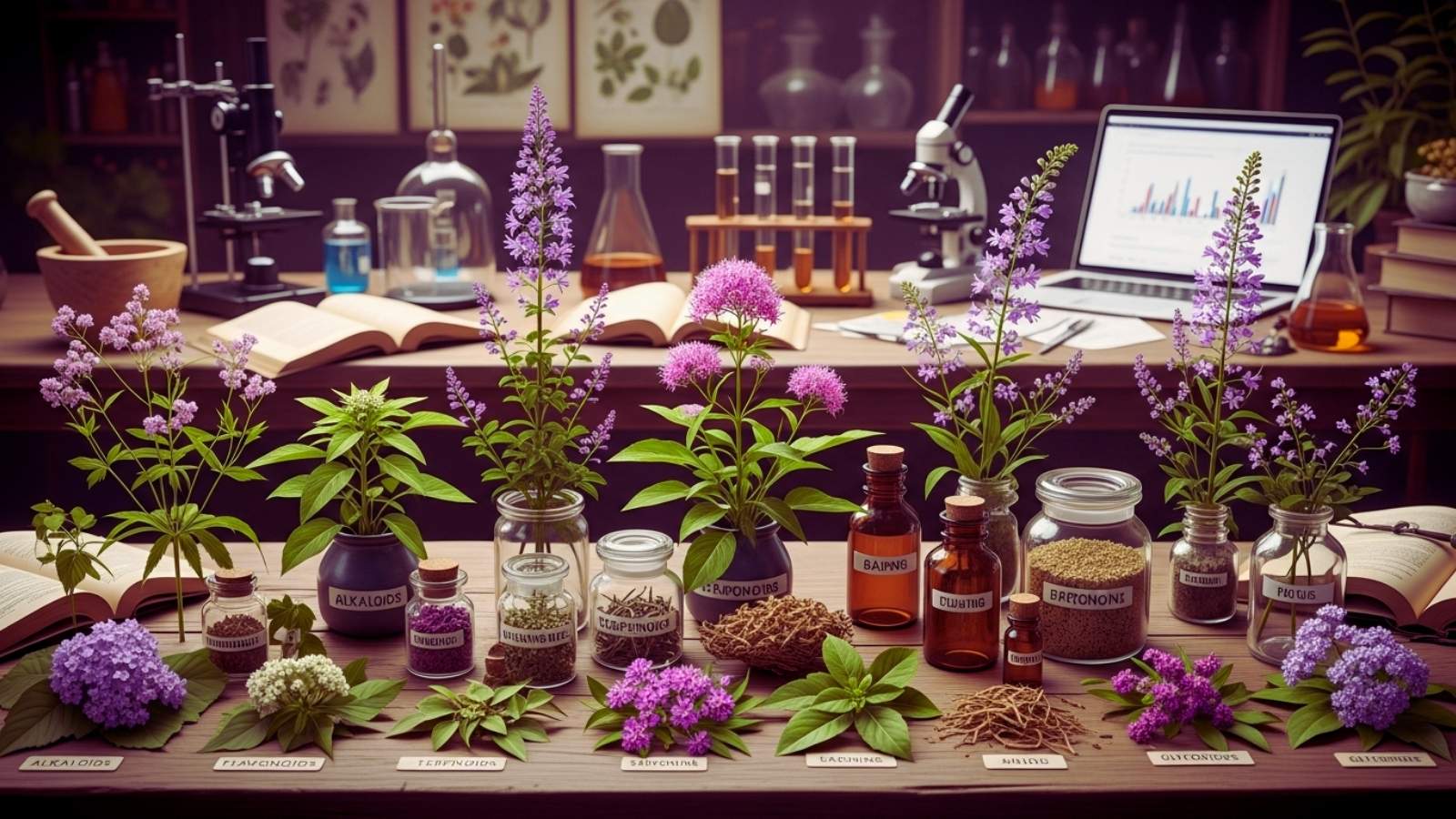
Medicinal plants have been the first and most reliable pharmacy for people, giving us bioactive compounds that are necessary for healing, survival, and disease prevention. These plants still play a big role in pharmacognosy in modern scientific research because they have phytochemicals like alkaloids, flavonoids, terpenoids, saponins, phenolic acids, and glycosides. These compounds help fight inflammation, bacteria, free radicals, heart disease, cancer, and other diseases, as well as boost the immune system. As more and more people around the world become interested in natural remedies, it is important to learn about the life-saving medicinal plants that have influenced both ancient and modern medicine. This article talks about ten of the most powerful medicinal plants that are known for their healing properties. It does this with scientific explanations and examples from the real world, and it does so in a way that is easy to read, SEO-friendly, and easy to find on Google.
1. Aloe Vera (Aloe barbadensis miller)
Aloe vera is known all over the world as a “miracle plant” because it has a lot of biologically active molecules, such as acemannan, glucomannan, salicylic acid, amino acids, and different polysaccharides. These chemicals have properties that fight inflammation, help wounds heal, fight viruses, and protect cells from damage. Aloe’s mucilaginous gel speeds up the growth of epithelial cells by making fibroblasts work harder and increasing collagen production. People often use the plant to treat cuts, burns, eczema, psoriasis, and other skin problems. Its anti-ulcer effects come from its ability to lower the amount of gastric acid that is released while also improving the protection of the mucosa. This makes it good for gastritis and acid reflux.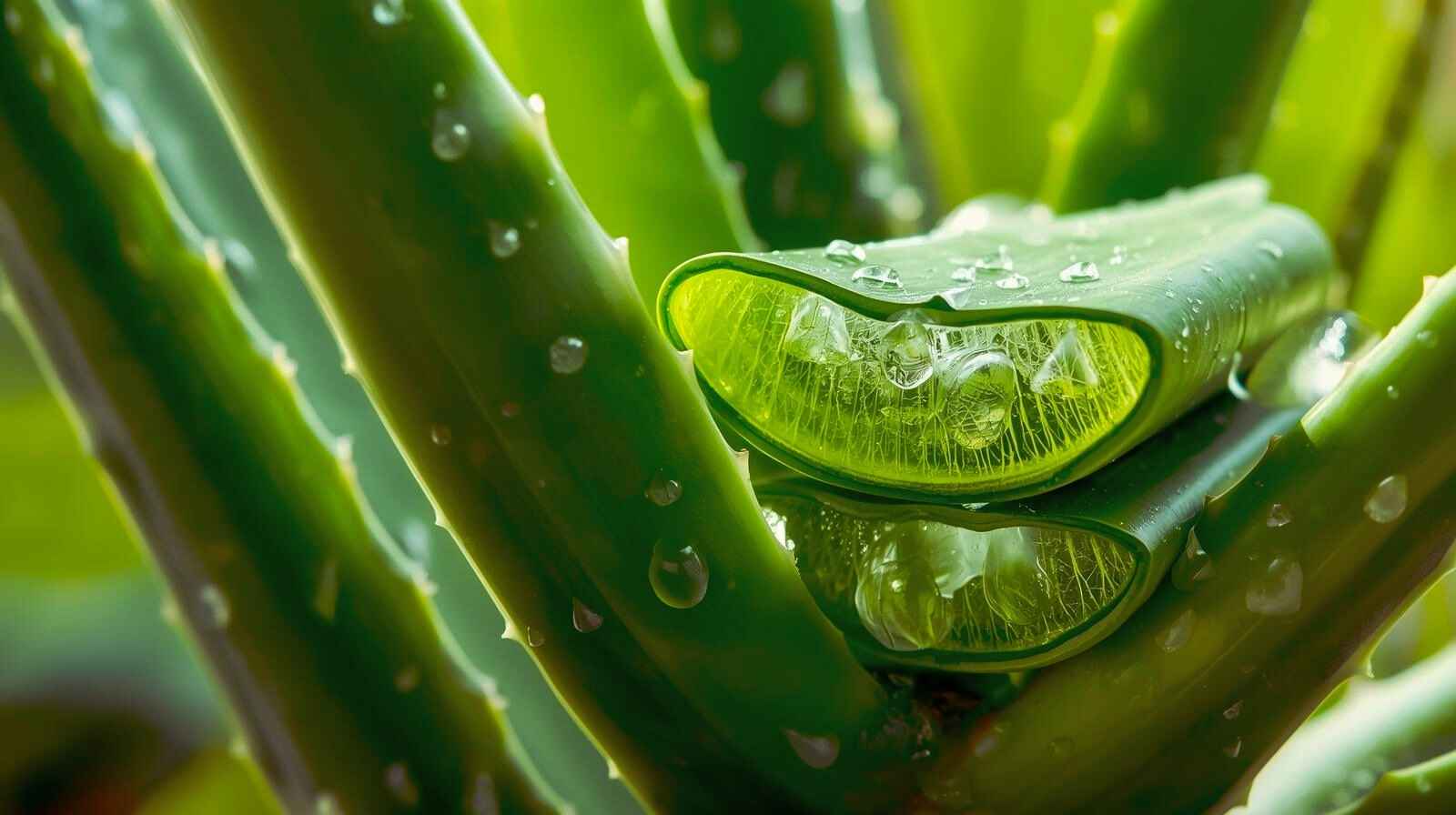 In pharmacological research, aloe vera demonstrates significant immunomodulatory effects by enhancing macrophage activity and regulating cytokine release. People think it can save lives in places where protecting the skin, staying hydrated, and responding quickly to wounds are important.
2. Curcuma longa (turmeric)
Curcumin, demethoxycurcumin, and bisdemethoxycurcumin are the main curcuminoids in turmeric that have strong anti-inflammatory and antioxidant effects. Curcumin changes the NF-κB pathway, which lowers the levels of pro-inflammatory cytokines like TNF-α, IL-6, and IL-1β. This molecular action is very important for treating chronic inflammatory diseases like arthritis, metabolic syndrome, and inflammatory bowel disease. Turmeric also has strong antiviral and antimicrobial properties, which makes it a good way to protect against harmful bacteria and viruses. Studies show that it might help prevent cancer because it can cause apoptosis and stop angiogenesis in cancerous cells. The plant protects the liver by raising glutathione levels, which helps the liver get rid of toxins. Turmeric is one of the most important life-saving medicinal plants in natural medicine. When taken every day as a dietary supplement, it protects the immune system, lowers oxidative stress, and supports heart health.
3. Ocimum sanctum, or tulsi
People think of Tulsi, or Holy Basil, as an adaptogenic herb with many health benefits. Eugenol, ursolic acid, rosmarinic acid, and carvacrol are bioactive compounds that have anti-stress, anti-inflammatory, and antimicrobial effects. Tulsi regulates the hypothalamic-pituitary-adrenal (HPA) axis to lessen physical stress while enhancing mental clarity and emotional stability. Its ability to change the immune system helps white blood cells work better and makes the body more resistant to infections. Tulsi leaf extracts exhibit extensive efficacy against bacteria, fungi, and viral pathogens. Tulsi is a natural bronchodilator that helps people with asthma, bronchitis, and allergic rhinitis breathe easier. Also, tulsi’s antioxidants help neutralize free radicals, which lowers the risk of metabolic diseases and cell damage. In rural areas, tulsi is an important herb for treating fever, cough, infections, digestive problems, and stress-related illnesses. It really is a life-saving herb.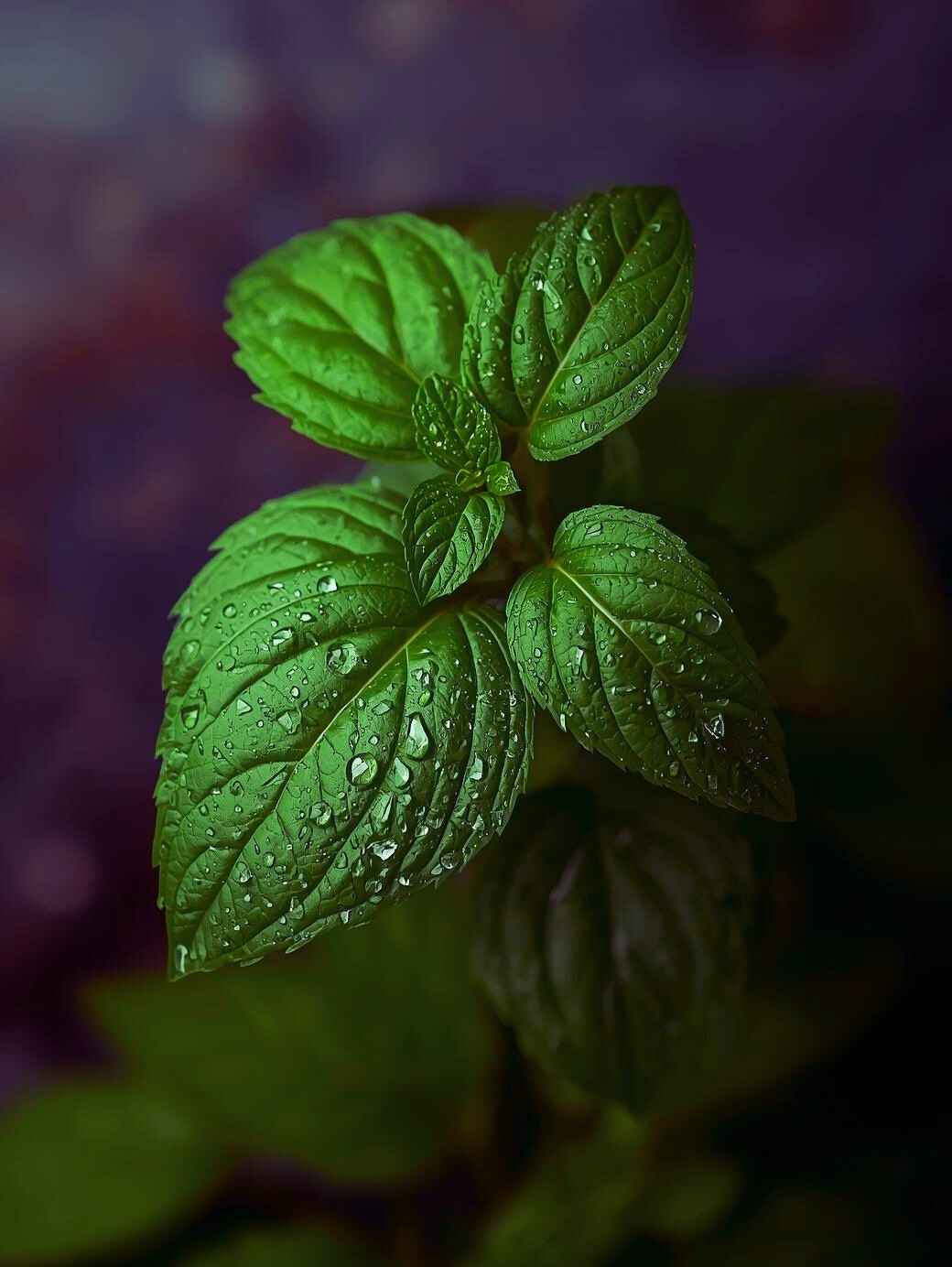
4. Neem (Azadirachta indica) is the fourth plant.
Neem is thought to be one of the most powerful medicinal trees because it has a lot of azadirachtin, nimbidin, quercetin, and nimbolide. These chemicals give neem strong antibacterial, antiviral, antiparasitic, liver-protective, and antidiabetic effects. Neem is very important for treating skin problems like acne, eczema, and fungal infections because it stops microbes from growing and controls inflammation. Its leaves have powerful immunostimulant effects that boost the activity of macrophages and the growth of lymphocytes. In diabetology, neem leaf extracts lower blood sugar levels by making insulin work better and making cells take in more glucose. It works well against Plasmodium species that cause malaria and intestinal worms because it is a strong antiparasitic. Neem protects the liver, which helps the body get rid of toxins by making liver enzymes work better. Neem is often thought of as one of nature’s most complete life-saving medicinal plants, whether it is used as an oil, leaf decoction, or extract.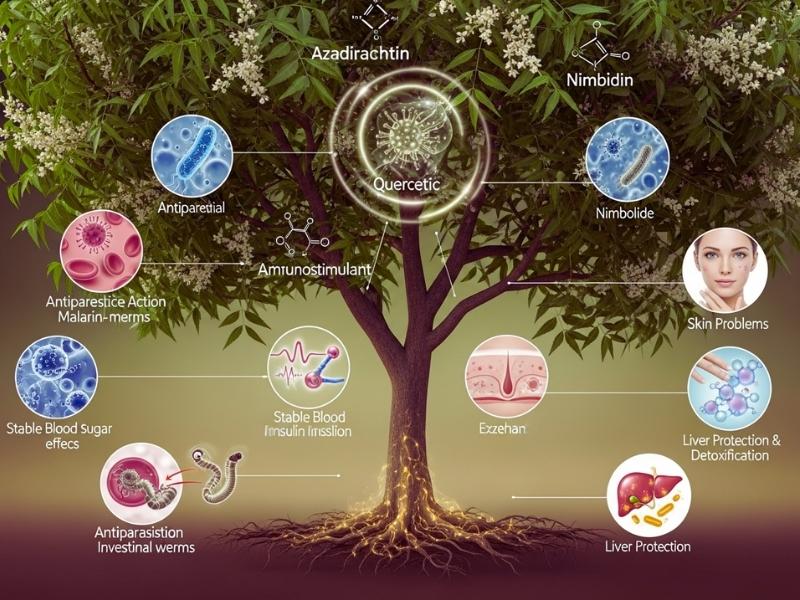
5. Ginger (Zingiber officinale)
Ginger has been important in both traditional and modern medicine because it contains the active compounds gingerol, shogaol, and zingerone. These bioactive molecules have strong anti-inflammatory, pain-relieving, anti-nausea, and digestive effects. Ginger helps the stomach move and releases enzymes, which makes it good for treating nausea, vomiting, indigestion, and motion sickness. Gingerol is a natural COX-2 inhibitor that can help with pain and swelling in osteoarthritis and rheumatoid arthritis. It is a strong antioxidant that helps the heart by lowering LDL oxidation and oxidative stress. Ginger is also a natural blood thinner, which means it helps blood flow better and lowers the chance of clots forming. Research shows that ginger can stop the growth of bacteria, which makes it a good treatment for colds, flu, and sore throats. Ginger is still an important medicinal plant for keeping the digestive, cardiovascular, and immune systems healthy.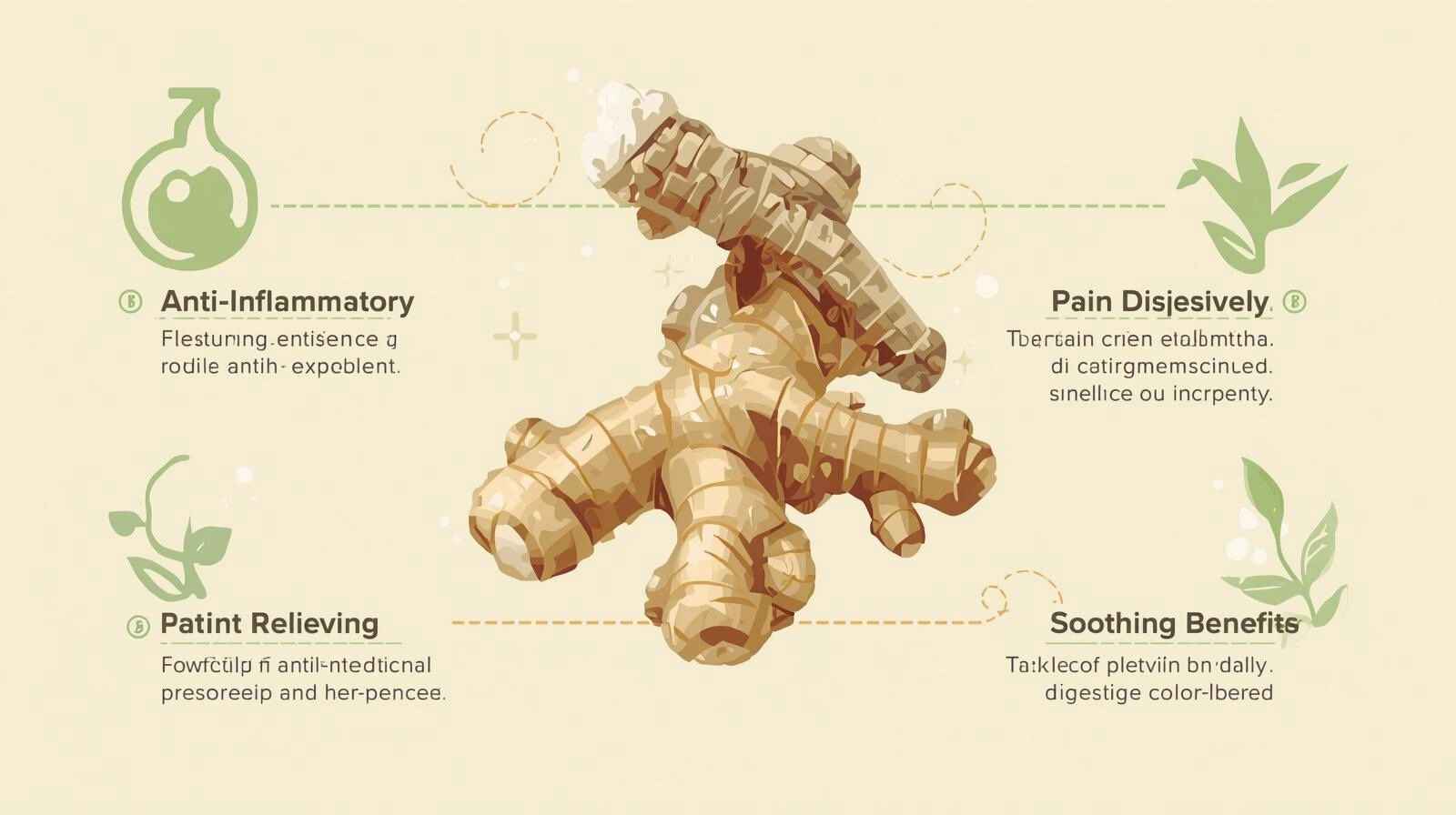
6. Ashwagandha (Withania somnifera)
Ashwagandha is one of the adaptogenic herbs in Ayurveda that has been studied the most. Withanolides are the bioactive compounds in it that help with stress, protect the brain, and change the immune system. Ashwagandha controls cortisol levels, which helps you relax, lowers your stress levels, and makes your brain work better. Because it has anabolic and androgenic properties, it is often used to improve stamina, muscle strength, and reproductive health. Ashwagandha helps with neurological health by promoting the growth of new synapses and lowering neuroinflammation. This could be helpful for neurodegenerative diseases like Alzheimer’s and Parkinson’s. The herb also makes natural killer cells work better, which boosts the immune system. Studies in people show that ashwagandha helps the thyroid work better by keeping T3 and T4 hormone levels in check. It protects the heart by lowering oxidative stress and helping to keep lipid profiles healthy. Ashwagandha is a life-saving herb that helps the mind, body, and metabolism in many ways.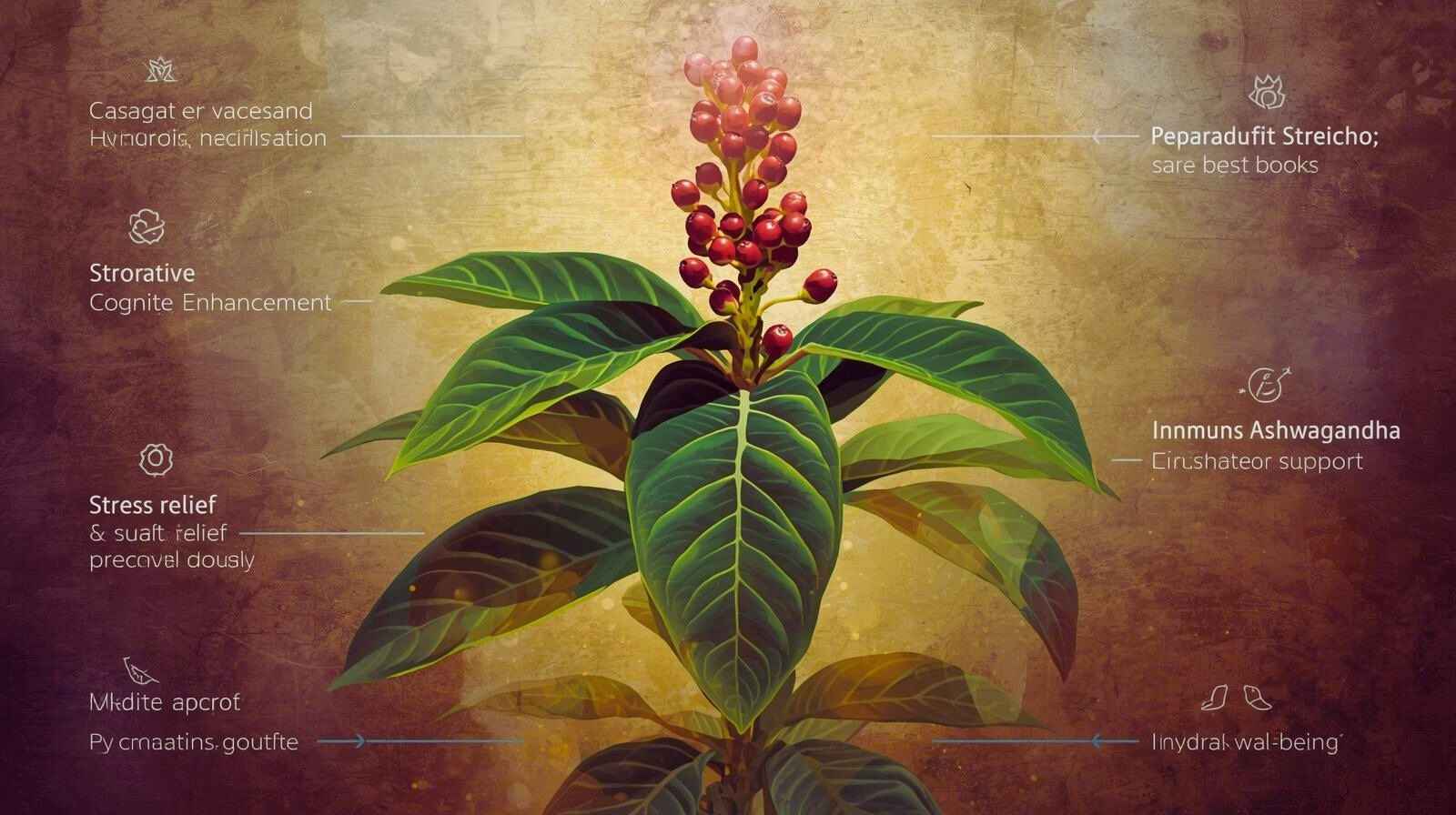
7. Garlic (Allium sativum)
Garlic is well-known in pharmacology for its amazing effects on the heart, its ability to fight bacteria, and its ability to fight cancer. Allicin, its main active ingredient, is a strong antioxidant and anti-inflammatory. Garlic is one of the few medicinal plants that has been shown to lower LDL cholesterol, control blood pressure, and stop atherosclerosis. It lowers the risk of heart attack and stroke by preventing blood clots. Garlic also has a wide range of antimicrobial effects against viruses, bacteria, fungi, and parasites. It makes the immune system work better by making more antibodies and activating macrophages. Research shows that the sulfur-containing compounds in garlic boost detoxification enzymes and stop cancer-causing activity, which helps prevent cancer. Garlic is a natural expectorant and bronchodilator that can help with asthma, bronchitis, and a chronic cough. Garlic is a food that you should eat every day because it protects your heart and immune system.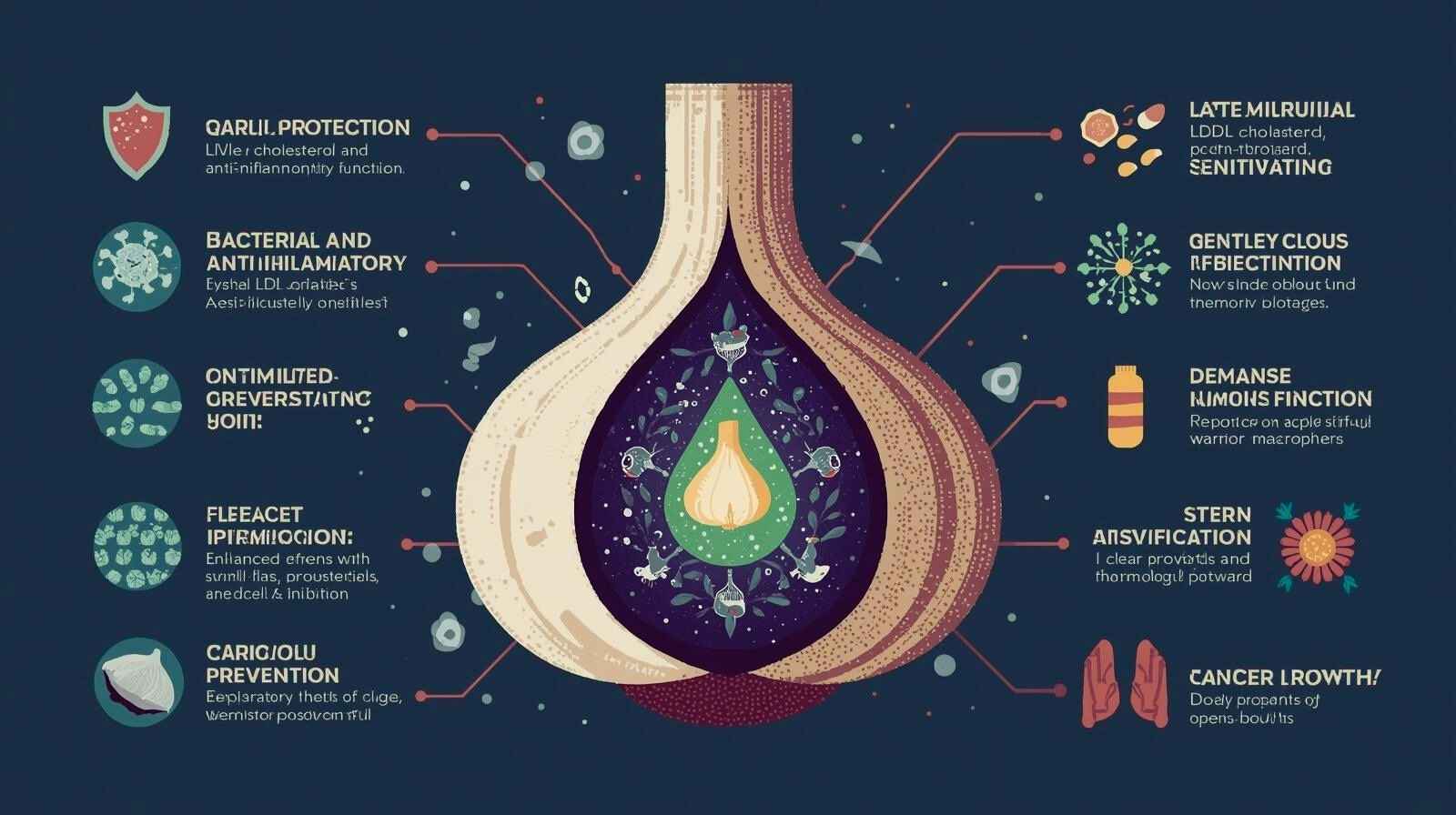
8. Mint (Mentha piperita)
People like peppermint because it has a lot of menthol, which makes it good for spasms, pain, and germs. Menthol interacts with TRPM8 receptors that are sensitive to cold, which makes you feel better and lessens inflammation and pain. Many people use peppermint to treat irritable bowel syndrome (IBS) because it relaxes the smooth muscles in the digestive tract. Its essential oil works like a natural decongestant, which helps relieve sinus pressure, headaches, and breathing problems. Extracts from peppermint leaves stop bacteria from growing and slow down the growth of fungi. This makes them useful for keeping your mouth clean and stopping infections. It protects cells from damage caused by free radicals and helps keep metabolism healthy. People often use peppermint tea and oil to help with nausea, stomach problems, and tight muscles. Because it helps so many different systems, this plant is a common life-saving herb for digestive, respiratory, and pain-related problems.
9. Moringa (Moringa oleifera)
People often call moringa the “Tree of Life” because it is so nutritious and has so many health benefits. It has important vitamins (A, C, E, and B-complex), minerals (calcium, potassium, and iron), amino acids, flavonoids, and isothiocyanates. These compounds help fight inflammation, lower blood pressure, lower blood sugar, and kill germs. Moringa leaves help control blood sugar by making the body produce more insulin and absorbing less glucose. It has a lot of antioxidants, which protect tissues from oxidative stress and help keep the heart healthy. Moringa seed extracts are very good at cleaning water because they have cationic proteins that kill bacteria and heavy metals. The plant helps with reproductive health by balancing hormones and making it easier to get pregnant.  Moringa also helps the liver get rid of toxins and protects it from damage caused by toxins. In places where food is scarce, moringa has literally saved lives by providing vitamins and minerals.
10. Vasaka (Adhatoda vasica)
Vasaka, also known as Malabar Nut, is a medicinal plant that can save lives, especially for people with breathing problems. Vasicine, its main alkaloid, opens up the airways, helps the body get rid of mucus, and breaks down mucus. Vasaka helps clear mucus from the lungs, which is important for treating bronchitis, asthma, tuberculosis, and chronic obstructive pulmonary disease (COPD). It makes breathing easier by relaxing the muscles in the trachea, which lowers airway resistance and improves oxygenation. Vasaka leaf extracts have antibacterial properties that help fight infections by killing bacteria that cause respiratory infections. The plant also has anti-inflammatory and anticoagulant properties, which means it stops blood clots from forming and soothes irritated respiratory tissues. Its antioxidants fight free radicals, which are chemicals that cause long-term inflammation. Vasaka is thought to be one of the best herbs for supporting lung function, stopping breathing problems, and helping people survive serious lung conditions in traditional medicine.
Final Thoughts
Medicinal plants are still the best way for people to heal themselves. They are a natural and easy-to-get alternative to synthetic drugs.  Their phytochemicals work together to provide a wide range of health benefits, such as boosting immunity, lowering inflammation, protecting major organs, and improving overall health. People can improve their health, help prevent disease, and be more resilient in medical emergencies by learning about these ten life-saving medicinal plants: Aloe vera, Turmeric, Tulsi, Neem, Ginger, Ashwagandha, Garlic, Peppermint, Moringa, and Vasaka. These plants are the most powerful healing tools in nature for people, whether they are used in home remedies, as part of preventive healthcare, or in combination with modern treatments.