
Cinnamon, also called Cinnamomum verum or Cinnamomum cassia, has been used as a spice in cooking and as a natural medicine with a lot of healing power for hundreds of years. Modern research has made its reputation as a source of bioactive compounds that help with metabolic health, keep blood sugar levels stable, and protect the body from oxidative stress even stronger. Cinnamon is one of the most studied natural remedies because it has many different effects on the body. 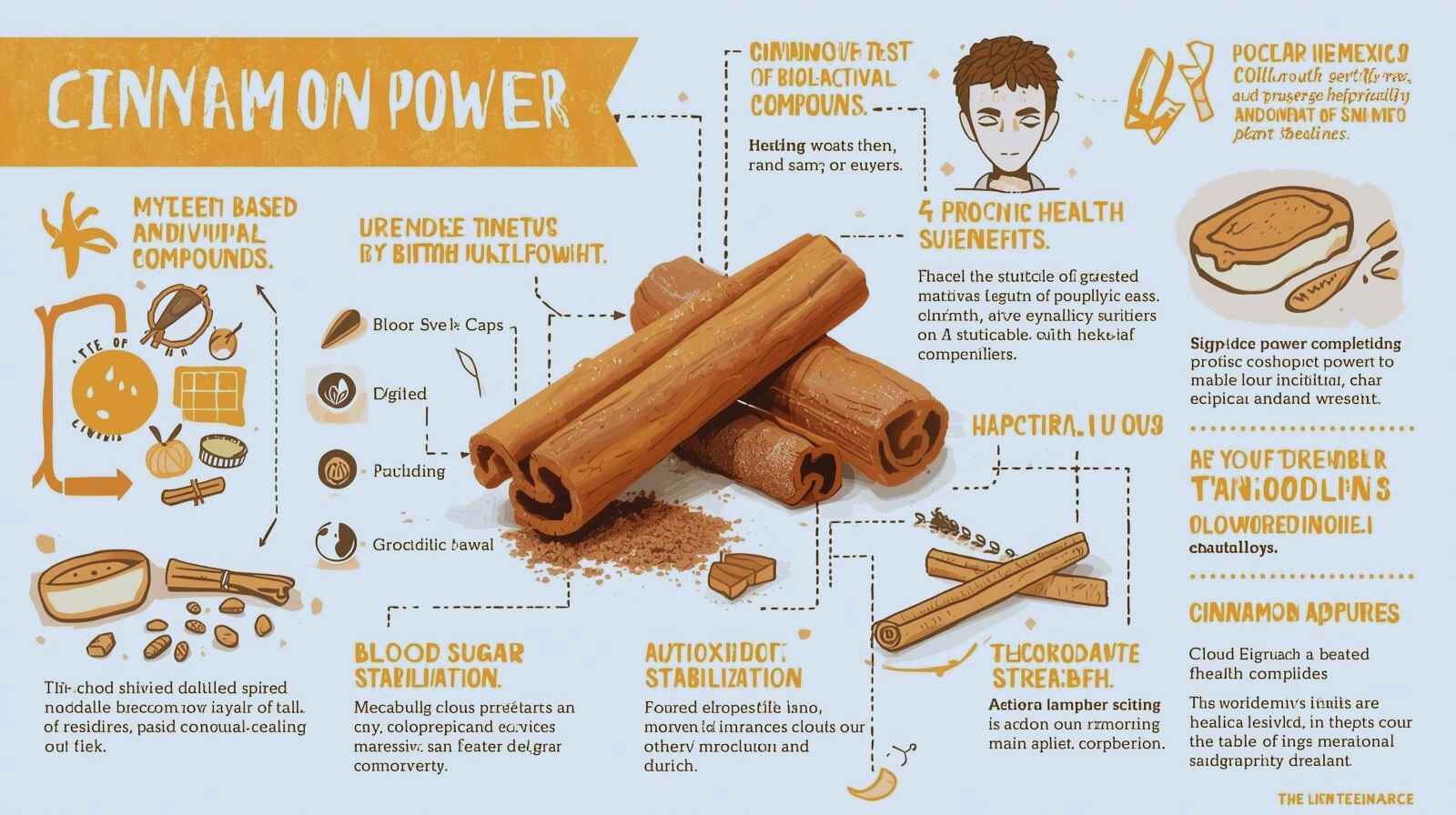 This makes it an important topic for people who want to find safe, effective, and evidence-based solutions. This article discusses the scientific properties of cinnamon, how it helps control blood sugar, how strong its antioxidants are, and how it helps people stay healthy in a way that is easy to understand and use.
The Science Behind Cinnamon: Active Ingredients and How They Work
Cinnamon has health benefits because it contains many different phytochemicals, such as cinnamaldehyde, cinnamic acid, eugenol, procyanidins, and different polyphenols. These work together to make cinnamon an antioxidant, anti-inflammatory, and antimicrobial substance. Cinnamaldehyde, which makes up 60–80% of the essential oil, is the active ingredient that gives it its unique smell and is responsible for many of its physiological effects, such as controlling glucose metabolism and changing the way lipids work.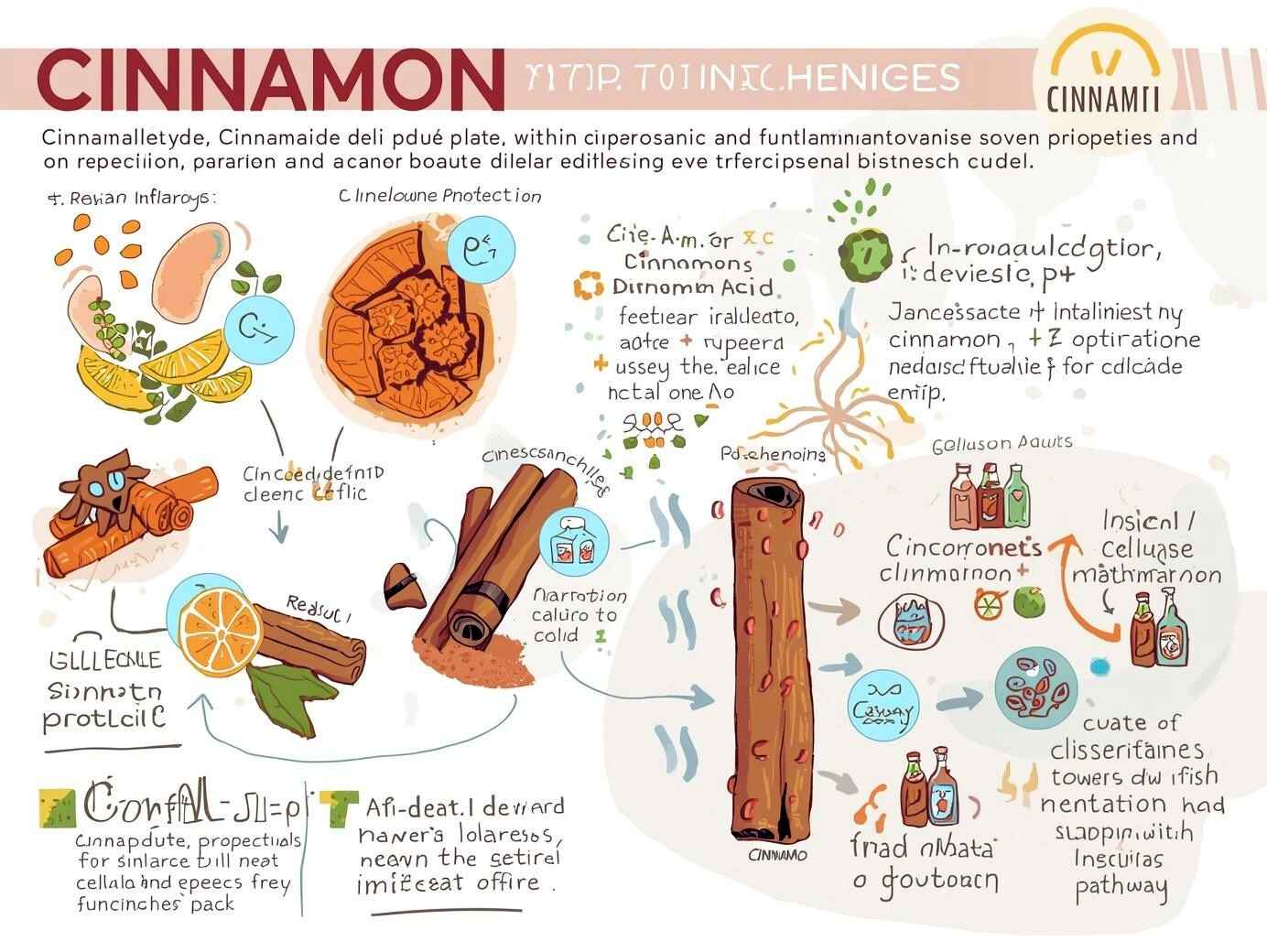
Because it has a lot of polyphenols, cinnamon is considered a strong antioxidant. Studies indicate that cinnamon has more antioxidant power than many superfoods that people eat a lot of, like garlic and oregano. These antioxidants stop reactive oxygen species (ROS) from doing damage and lower oxidative stress, which is a major cause of aging, chronic inflammation, metabolic disorders, and heart disease. This means that cinnamon is not only a tasty spice, but it is also a functional food that has many health benefits.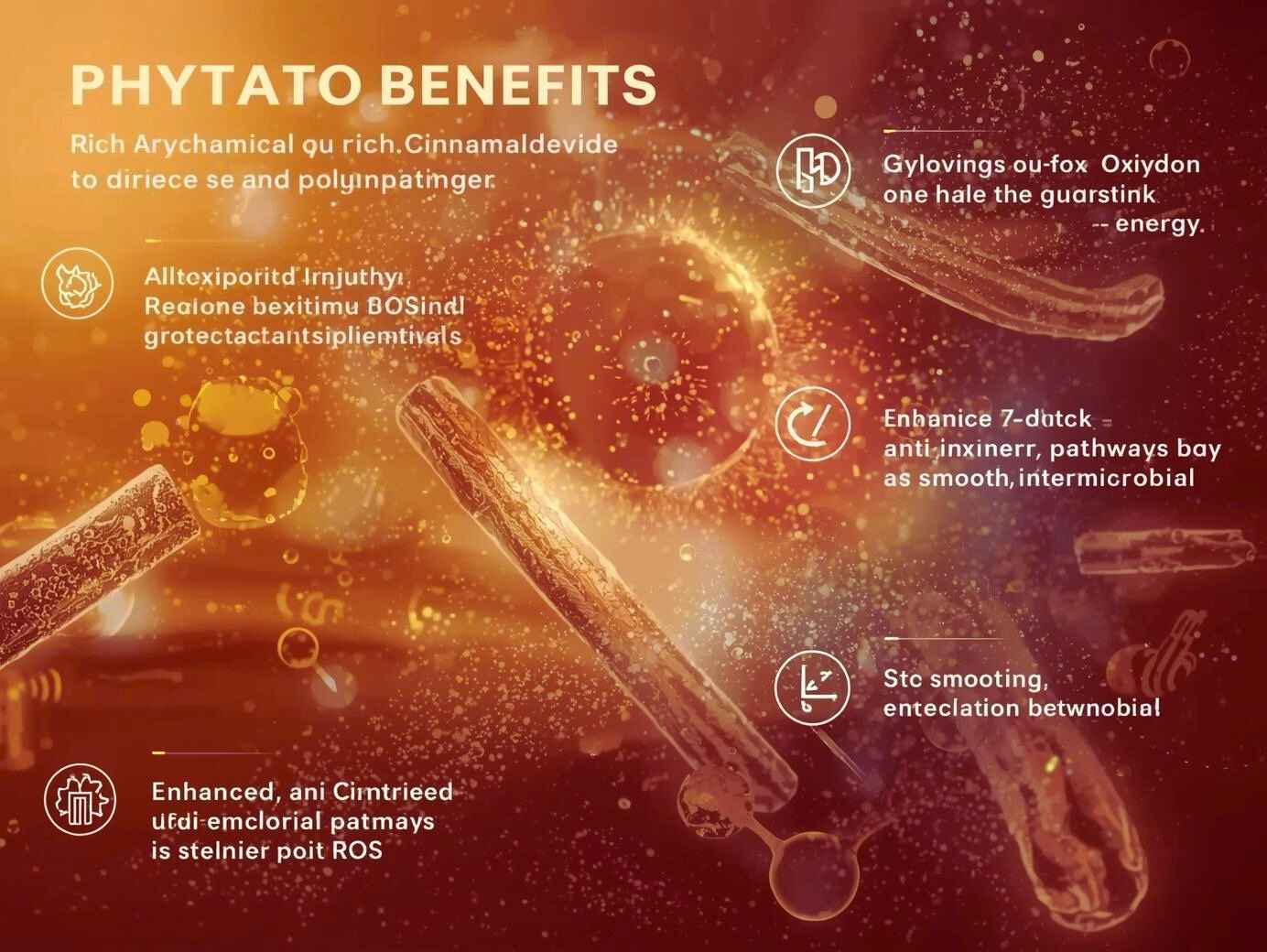
Cinnamon also gets a lot of attention because it affects insulin receptors. Cinnamon contains compounds that can act like insulin and make insulin signaling pathways work better by making insulin receptor kinase more active. This activity helps cells take in more glucose, which makes cinnamon especially useful for people with type 2 diabetes, prediabetes, metabolic syndrome, or insulin resistance.
Cinnamon and Blood Sugar Support: A Natural Way to Help Your Metabolism
Cinnamon is well known for helping to keep blood sugar levels healthy. Studies indicate that cinnamon can help people with bad glucose metabolism by lowering their hemoglobin A1c (HbA1c) levels, improving their fasting blood glucose levels, and making it easier for them to control their blood sugar levels after meals. Cinnamon’s insulin-mimetic effect helps glucose get into cells more easily, which takes some of the stress off the pancreas and keeps the body’s metabolic processes stable.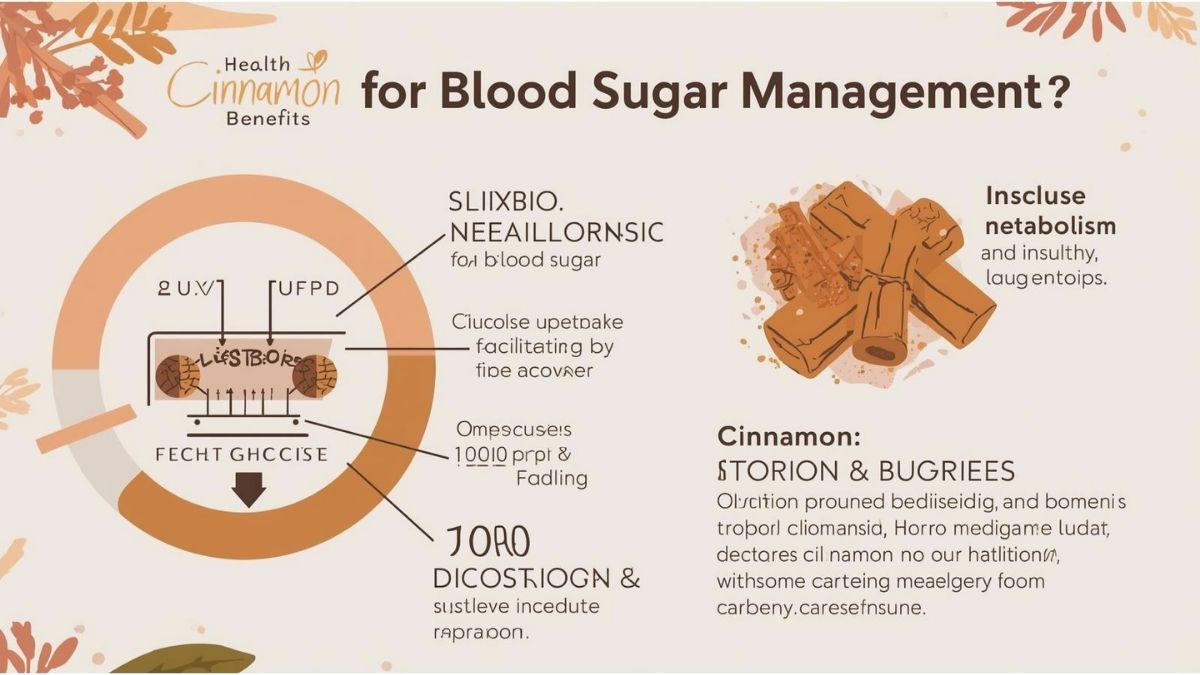
Cinnamon stops certain digestive enzymes, like alpha-amylase and alpha-glucosidase, from breaking down carbohydrates. This slows down how quickly glucose gets into the blood, which stops blood sugar from rising suddenly after meals. Cinnamon also helps move glucose transporter type 4 (GLUT4) to the cell membrane, which makes it easier for skeletal muscle and fat tissues to take up glucose.
In several clinical trials, daily intake of cinnamon between 1 and 6 grams has been correlated with enhancements in fasting glucose levels, triglycerides, LDL cholesterol, and overall insulin sensitivity. Adding cinnamon to your daily diet can be a simple, safe, and effective way to help your metabolic health if you’re looking for natural ways to do so. Cinnamon is not a replacement for medical care, though. It is a complementary aid that makes a healthy lifestyle, diet, and standard medical care more effective.
How Cinnamon Protects the Body from Oxidative Damage with Its Antioxidant Power
Cinnamon is one of the best natural sources of antioxidants because it has a polyphenolic structure that makes it high on the Oxygen Radical Absorbance Capacity (ORAC) scale. Flavonoids, phenolic acids, and tannins are some of its antioxidants. These work together to fight oxidative stress, which is a major risk factor for long-term diseases like diabetes, cancer, heart disease, and neurodegenerative diseases.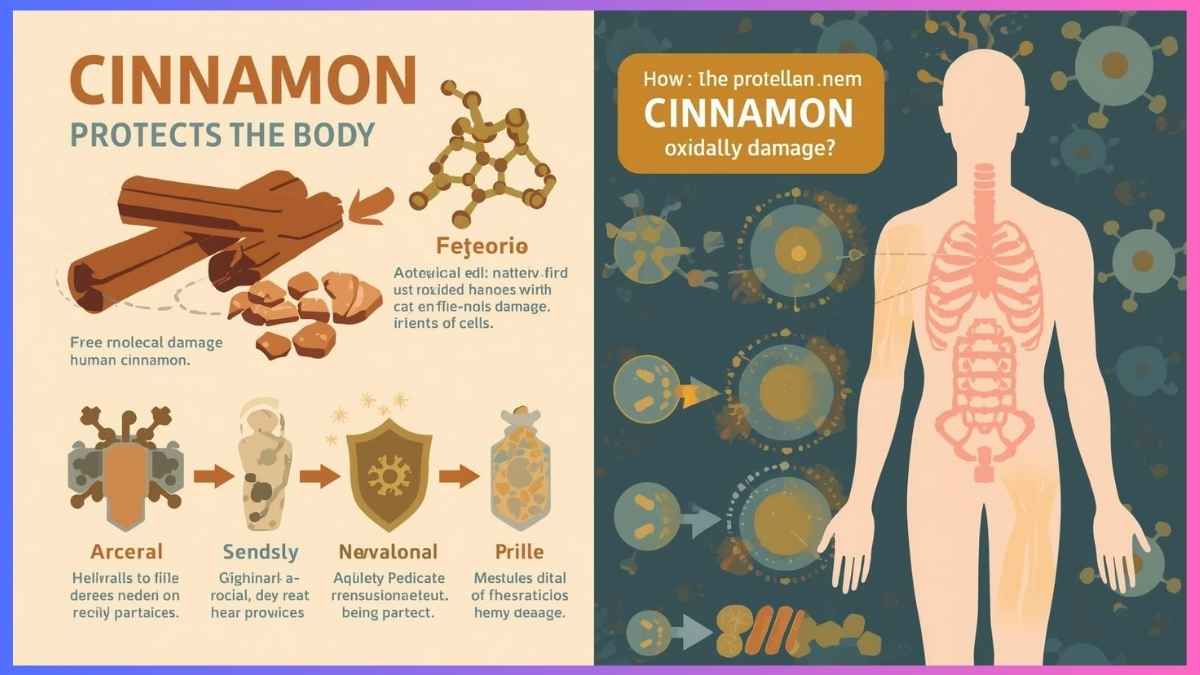
When free radicals get too strong for the body’s natural defense system, they can hurt DNA, proteins, and lipids. Antioxidants in cinnamon help keep cells healthy by getting rid of free radicals. Cinnamaldehyde stops lipid peroxidation, which protects cell membranes and lowers inflammation. Cinnamon helps cells stay healthy by lowering oxidative markers like malondialdehyde (MDA). This process helps cells stay healthy and live longer.
Cinnamon not only lowers oxidative stress, but it also bosts the activity of antioxidant enzymes like superoxide dismutase (SOD), catalase, and glutathione peroxidase. This not only gets rid of harmful molecules, but it also makes the body’s internal antioxidant defense system stronger. So, eating cinnamon on a regular basis helps keep you healthy in the long term by protecting your cells from oxidative damage.
Cinnamon helps the immune system and reduces inflammation
Inflammation is a normal biological response, but long-term inflammation can lead to several health problems, such as arthritis, metabolic syndrome, digestive disorders, and heart disease. Cinnamon has several anti-inflammatory compounds, such as cinnamaldehyde and procyanidin, that block pro-inflammatory pathways like NF-κB and lower the levels of cytokines like TNF-α, IL-6, and IL-1β.
Cinnamon helps tissues heal faster, makes joints less painful, and boosts the immune system by controlling these inflammatory mediators. Research indicates that cinnamon may influence macrophage activity, an essential element of the immune system tasked with identifying and eliminating pathogens. It also has antibacterial, antiviral, and antifungal properties, which protect against common pathogens like E. coli, Candida albicans, and Listeria monocytogenes.
Cinnamon is especially useful for supporting respiratory health and fighting infections because it can change how the immune system works. When you breathe in or eat its volatile oils, they can help clear mucus, soothe a sore throat, and relieve congestion in the lungs. This multi-pronged approach to boosting the immune system shows how cinnamon has been used as a traditional medicine and how modern science backs it up.
Benefits for Heart Health: Regulating Lipids and Supporting Circulation
Researchers have looked into cinnamon a lot to see how it protects the heart, especially how it affects circulation and lipid metabolism. Cinnamon helps make your lipid profile healthier by lowering LDL cholesterol and triglycerides and raising HDL cholesterol levels. The results can greatly lower the chances of having a stroke, a heart attack, or atherosclerosis.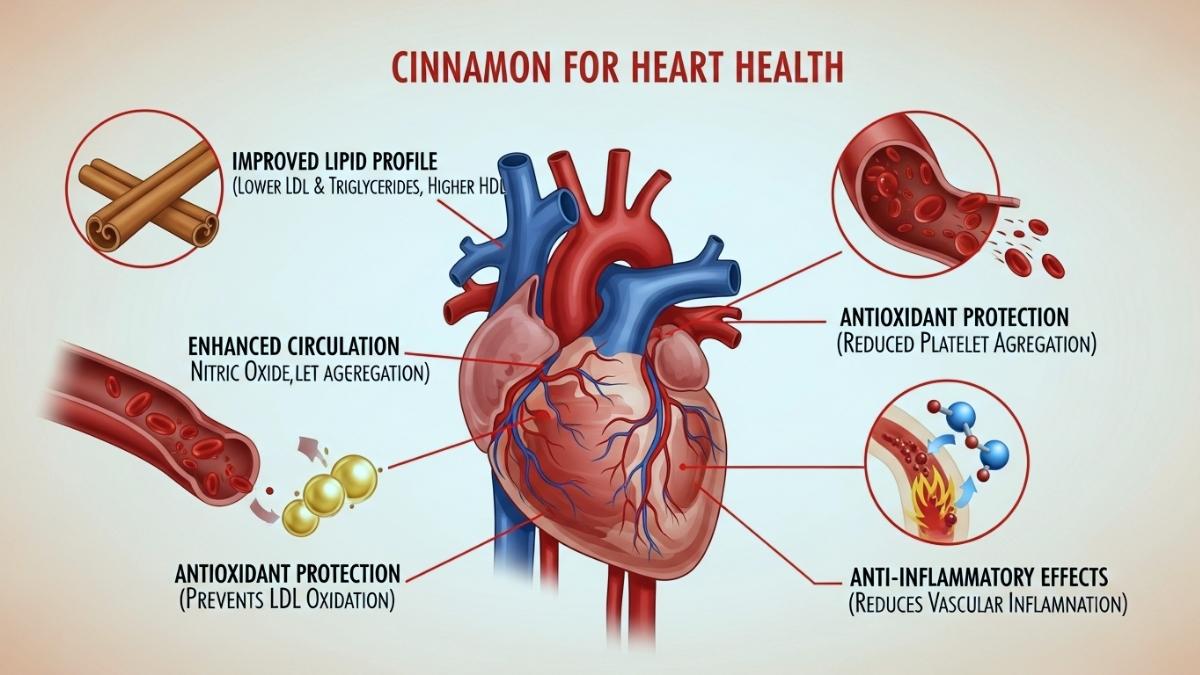
Cinnamaldehyde opens up blood vessels, which helps blood flow and supports the function of the endothelium. Cinnamon promotes cardiovascular health by increasing nitric oxide production, lowering platelet aggregation, and making blood vessels more flexible. Its antioxidant properties stop LDL cholesterol from oxidizing, which is a key step in the formation of plaque. This makes it even more important for preventing heart disease.
Cinnamon also has anti-inflammatory effects that lower inflammation in the blood vessels, which is a major cause of high blood pressure and coronary artery disease. Cinnamon protects the heart and blood vessels by keeping the circulatory system working well. This procedure helps keep the cardiovascular system strong over time.
A traditional remedy with scientific support for gut health and digestive health
Cinnamon has been used for a long time to ease stomach pain, and new research backs up its ability to improve digestion and relieve gas. It helps the body make digestive enzymes and keeps the digestive system moving normally, which helps digestion and nutrient absorption. Cinnamon’s ability to kill bacteria helps keep gut flora in check, which in turn supports a healthier gut microbiome.
Cinnamon’s anti-inflammatory properties also help with gas, bloating, stomach upset, and other digestive issues. It helps stomach health by lowering the activity of Helicobacter pylori, which is especially helpful for people who are prone to ulcers or gastritis. Cinnamon’s thermogenic property speeds up metabolism, which helps with fat digestion and weight management. This feature is another way that cinnamon helps keep the digestive system healthy.
Cinnamon for Brain Health and Protection
Cinnamon may be able to protect neurons because it stops tau protein from clumping together and beta-amyloid from forming. Both of these things are linked to neurodegenerative diseases like Alzheimer’s and Parkinson’s. Cinnamaldehyde and epicatechin protect neural tissues by lowering oxidative stress and helping neurons stay alive.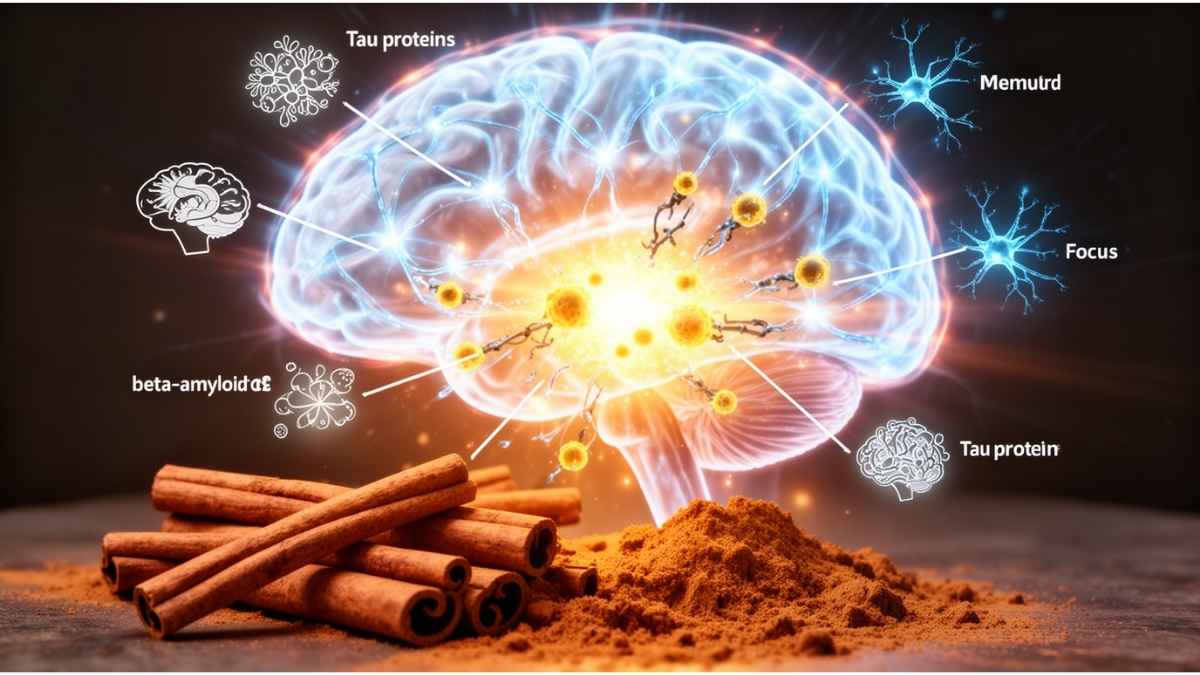
Cinnamon also helps cognitive function by making the brain more sensitive to insulin. Insulin is important for memory and learning, and scientists have found that insulin resistance in the brain is linked to cognitive decline. Cinnamon may help improve mental clarity, focus, and memory retention by making insulin signaling pathways work better.
Animal studies indicate that cinnamon extracts may facilitate the regeneration of neural pathways and mitigate neuroinflammation. These findings suggest that cinnamon may serve as a natural means to enhance brain health, yet further research is necessary.
Cinnamon can be used to control weight and balance metabolism
Cinnamon has many benefits that help with weight management, so it can be a useful natural tool for people who are overweight or have an imbalance in their metabolism. Its thermogenic properties make the body use energy a little bit more, which helps it burn calories more effectively. Cinnamon keeps insulin levels stable, which stops the body from storing too much fat and makes people want sugar less. This procedure has a direct effect on body weight.
Cinnamon also slows down the emptying of the stomach, which helps control appetite and keeps you feeling full longer. Because it affects blood lipids and glucose metabolism, it is especially helpful for people with metabolic syndrome or polycystic ovary syndrome (PCOS), two conditions in which insulin resistance is a major problem.
Cinnamon isn’t a magic weight loss pill, but it can help you lose weight when you eat well, exercise regularly, and manage your stress.
How to Safely and Effectively Use Cinnamon
If you want to get the most out of cinnamon, you need to pick high-quality kinds and use them correctly. Ceylon cinnamon, also known as “true cinnamon,” has less coumarin in it. Coumarin can put a lot of stress on the liver if you eat a lot of it. Cassia cinnamon is more common and flavorful, but it has more coumarin, so eat it sparingly. Ceylon cinnamon is usually thought to be the safer choice for long-term daily use.
Adults can eat 1 to 2 grams of cinnamon every day for general health or up to 4 grams for specific blood sugar support, but how much each person can handle may be different. Adding cinnamon to smoothies, soups, or herbal teas, or drinking cinnamon tea or honey with cinnamon in it are all beneficial ways to use the spice. Standardized supplements containing cinnamaldehyde or polyphenols are also easy to use, but people with health problems or who are medicated should only take them under the supervision of a doctor.
In conclusion, cinnamon is a natural way to improve modern health
Cinnamon is one of the most scientifically proven medicinal spices. It offers many health benefits, including helping to control blood sugar, protect against free radicals, support heart health, improve digestion, boost brain function, and keep metabolism in balance. Its bioactive compounds work together to improve health at the cellular level, making it a strong addition to modern natural medicine.
Adding cinnamon to your daily routine is easy, cheap, and excellent for people who want to improve their metabolism and overall health in a natural way. As more research comes out, cinnamon’s role as a functional food and medicine will only get stronger. Cinnamon is a timeless remedy that has been used for both traditional healing and modern nutritional science. Historical and scientific evidence has demonstrated its effectiveness.