
The question “Can Bhringraj Prevent Alzheimer’s?” has gained interest among scientists, herbalists, and health-conscious people. Alzheimer’s disease is a progressive neurological disorder that affects memory, thinking, and behavior. With the global rise in Alzheimer’s cases, there is growing interest in natural compounds that might support brain health and cognitive resilience. Bhringraj (scientific name Eclipta alba), a traditional medicinal plant used in Ayurveda, is one such botanical being studied for its neuroprotective properties. This scientific review explains in simple and clear terms how Bhringraj may influence pathways linked to Alzheimer’s and cognitive decline. It describes the active compounds, scientific mechanisms, real-life practical uses, and evidence from laboratory studies. This article is designed to be SEO-friendly, human readable, and grounded in science.
What Is Alzheimer’s Disease and Why It Matters
Alzheimer’s disease is the most common form of dementia, affecting millions of people worldwide. It is characterized by the accumulation of abnormal proteins in the brain, such as amyloid-beta plaques and tau tangles. These changes disrupt communication between neurons and lead to neuronal death.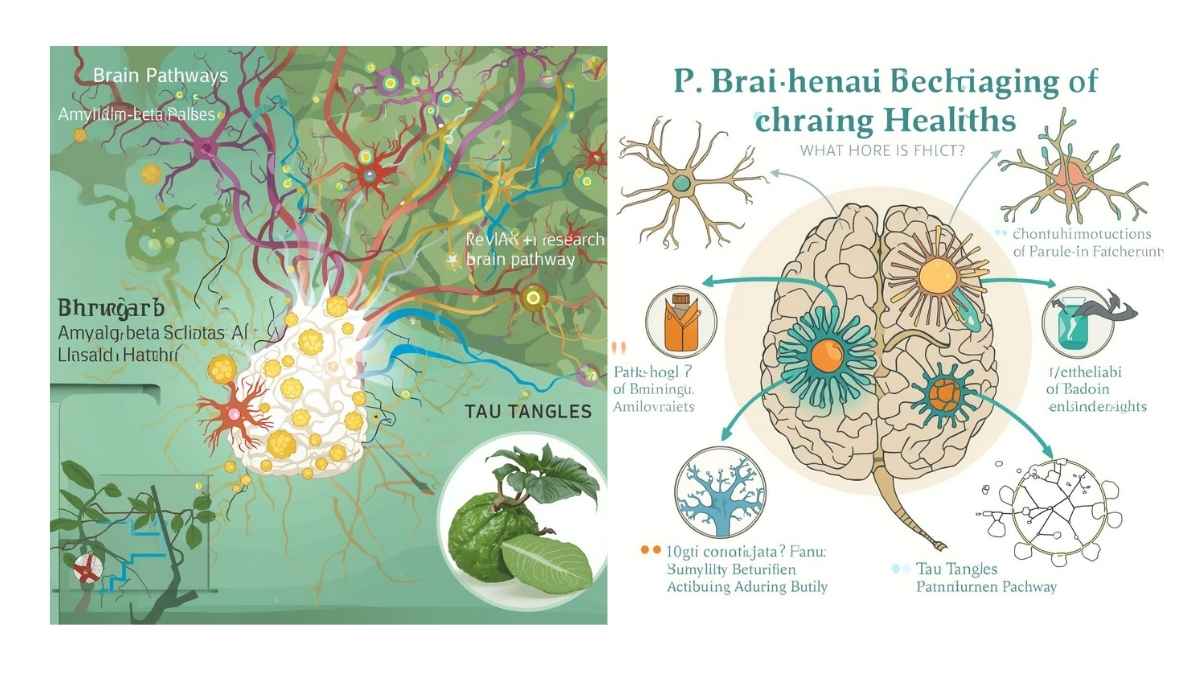 Memory loss, confusion, mood changes, and reduced ability to perform daily tasks are hallmark symptoms. Current medical treatments can slow symptoms but do not stop disease progression. Therefore, researchers look at natural compounds and herbal medicines that may support brain function, reduce oxidative stress, and influence molecular pathways associated with Alzheimer’s. In this context, scientists ask, can bhringraj prevent Alzheimer’s?
Bhringraj: Traditional Use and Scientific Interest
Bhringraj, also known as False Daisy, is traditionally used in Ayurveda for liver support, hair growth, and general rejuvenation (Rasayana). Its use in brain health is less known in popular culture but has been investigated in scientific studies. Bhringraj contains many active compounds, including flavonoids, alkaloids, coumestans, and polyacetylenes.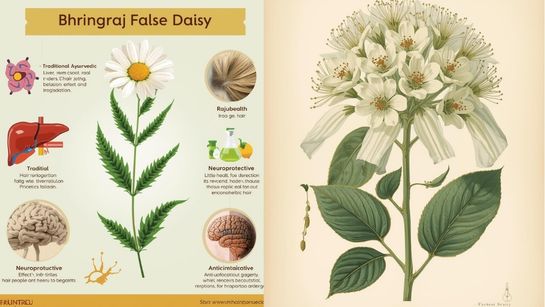 Some of these compounds have antioxidant, anti-inflammatory, and neuroprotective effects in laboratory settings. Because Alzheimer’s disease involves oxidative stress and chronic inflammation in brain tissue, botanicals with these activities are of interest as potential supportive therapies.
Active Compounds in Bhringraj and Their Biological Actions
The scientific community has isolated several biologically active molecules from Bhringraj. Key compounds include wedelolactone, demethylwedelolactone, luteolin, apigenin, and β-sitosterol. These compounds exhibit properties that could be relevant to brain health: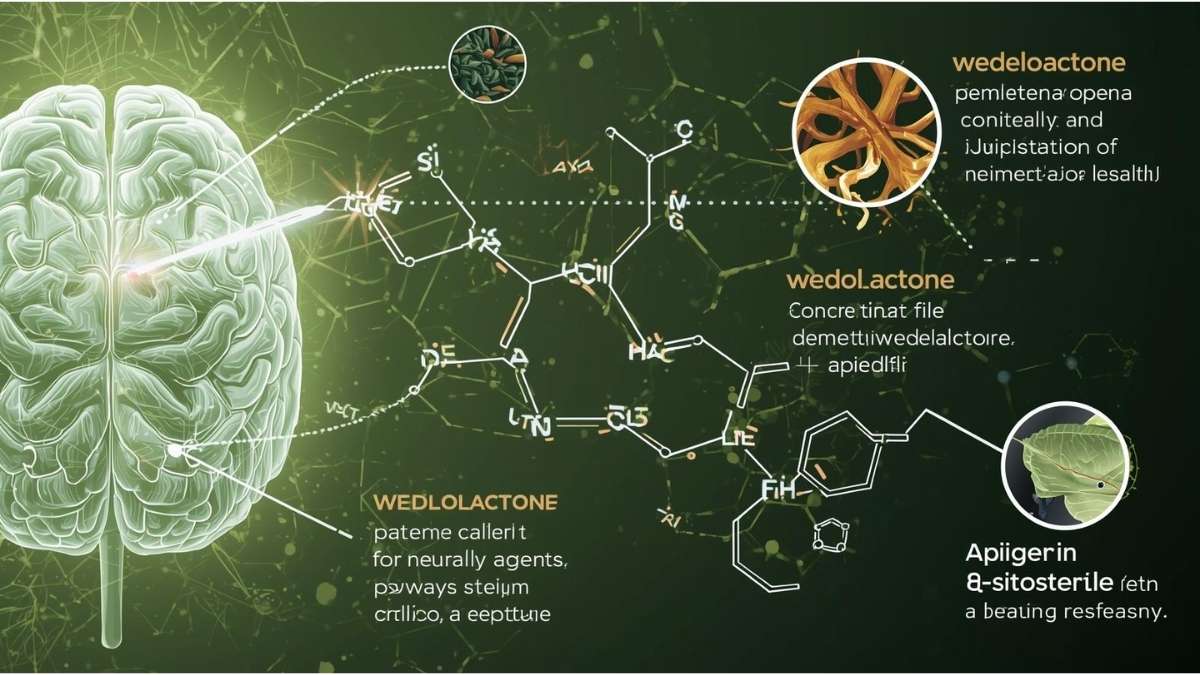
Wedelolactone is a coumestan with antioxidant and anti-inflammatory action. Oxidative stress plays a central role in neuronal damage in Alzheimer’s. Antioxidants neutralize free radicals, which are unstable molecules that damage cell components such as DNA, proteins, and lipids. By reducing oxidative stress, wedelolactone might protect neurons from damage.
Flavonoids like luteolin and apigenin also have antioxidant activity and can modulate signaling pathways in brain cells. These compounds have been shown to reduce inflammation by inhibiting pro-inflammatory cytokines such as TNF-α and IL-6. Chronic inflammation in the brain is a key factor in the progression of Alzheimer’s.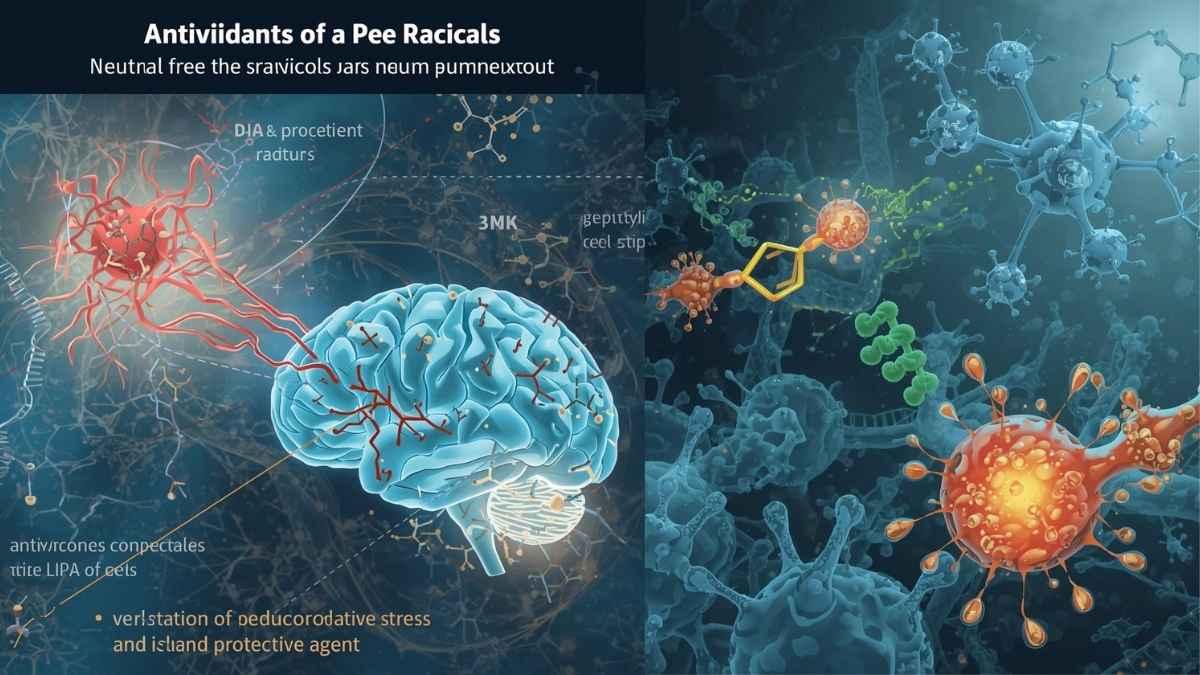
β-Sitosterol has been studied for its ability to influence cholesterol metabolism and membrane stability. Cholesterol imbalance in the brain may play a role in the formation of amyloid-beta, the protein that aggregates into plaques in Alzheimer’s disease.
Mechanisms by Which Bhringraj May Influence Alzheimer’s
Scientific research suggests several mechanisms through which Bhringraj could contribute to brain protection:
One mechanism involves antioxidant activity. Neurons are especially vulnerable to oxidative damage due to their high metabolic activity and lipid-rich membranes. Antioxidants in Bhringraj may help reduce the buildup of reactive oxygen species (ROS) in brain tissue. Laboratory studies using neuronal cell cultures have shown that extracts of Eclipta alba can reduce markers of oxidative stress and improve cell survival under toxic conditions.
Another mechanism is anti-inflammatory action. Microglia are immune cells in the brain that become activated in Alzheimer’s disease. Overactivation of microglia leads to chronic inflammation and neuronal damage. Compounds in Bhringraj may suppress pro-inflammatory pathways such as NF-κB signaling, thereby reducing neuroinflammation.
Some studies indicate that Bhringraj extracts can influence neurotransmitter levels. Neurotransmitters like acetylcholine are essential for memory and cognition. In Alzheimer’s disease, acetylcholine levels decline due to reduced activity of cholinergic neurons. Certain plant flavonoids have been observed to enhance acetylcholine levels by inhibiting acetylcholinesterase, the enzyme that breaks it down. While direct evidence in humans is limited, this mechanism presents a plausible way Bhringraj may support cognitive function.
Laboratory Evidence and Preclinical Studies
Most of the scientific evidence for “Can Bhringraj Prevent Alzheimer’s?” comes from laboratory and preclinical studies. In cell culture models, Bhringraj extracts have shown protective effects against oxidative stress and toxicity induced by amyloid-beta peptides. 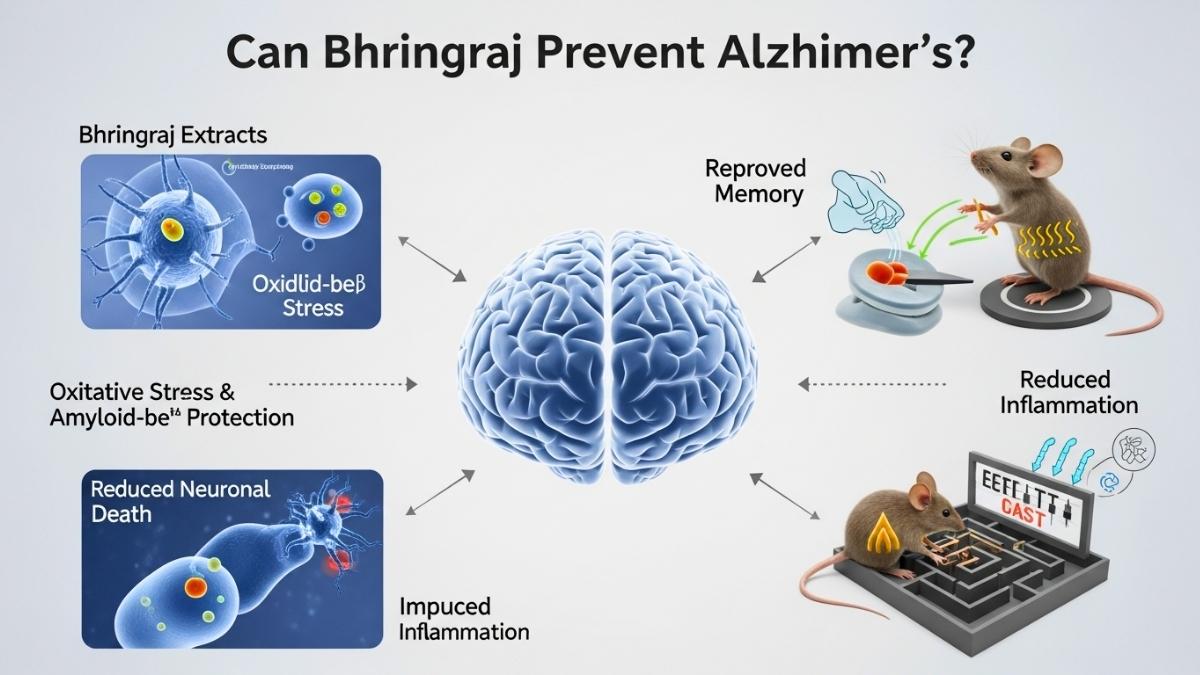 These studies suggest that Bhringraj may reduce neuronal death and protect synaptic function. In animal models of cognitive impairment, Bhringraj supplementation has been associated with improved performance in memory tests and reduced markers of inflammation in brain tissue. These results are promising but must be interpreted with caution. Animal and cell studies do not directly prove prevention in humans, but they help researchers understand possible mechanisms and justify further clinical research.
Human Studies: What We Know and What We Don’t
To date, human clinical trials specifically testing Bhringraj for Alzheimer’s prevention are limited or nonexistent. Most research on herbal supplements and cognitive health focuses on combinations of botanicals or well-known antioxidants such as curcumin, resveratrol, and ginkgo biloba. The absence of large, controlled human studies means that scientists cannot conclusively say whether Bhringraj can prevent Alzheimer’s in people.  Therefore, the current scientific stance is cautious: Bhringraj has neuroprotective properties in laboratory settings, but evidence from human clinical trials is needed to confirm its effects on Alzheimer’s disease risk or progression.
Real Life Practical Uses of Bhringraj for Brain Health
Despite limited human research, some individuals use Bhringraj as part of a brain-healthy lifestyle. Practical uses include:
• Herbal supplements: Bhringraj extracts are available in capsules or liquid tinctures marketed for overall health and cognitive support. Users should choose products standardized for key compounds and consult healthcare professionals before long-term use.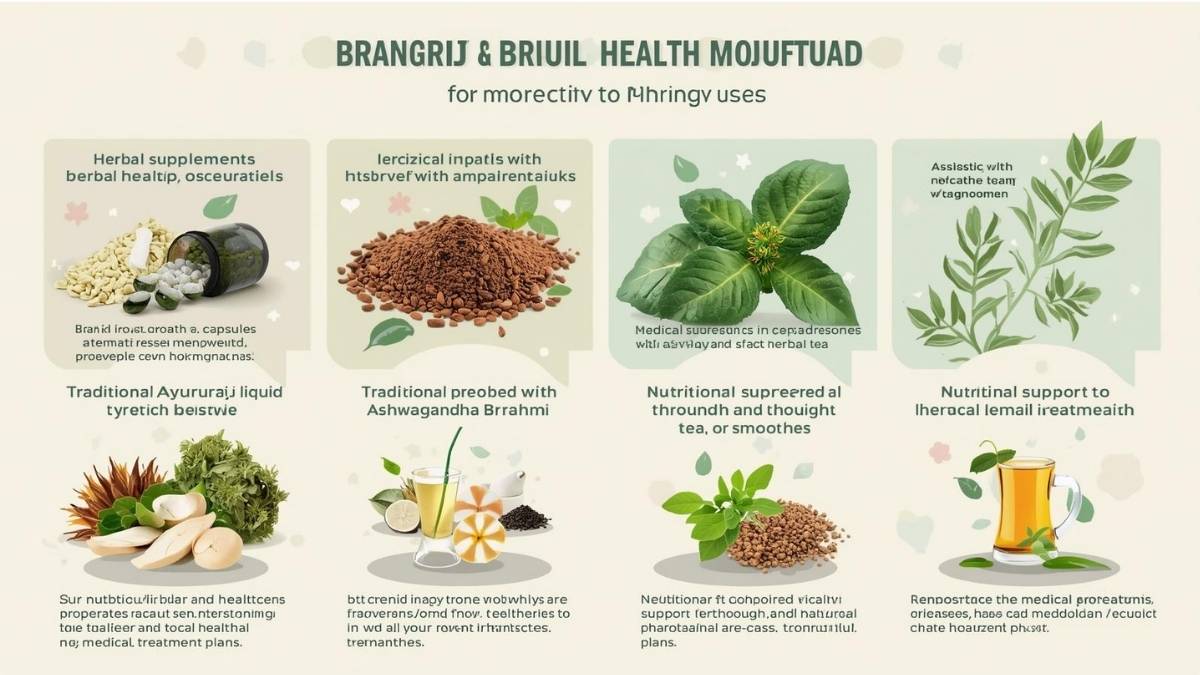
• Traditional Ayurvedic preparations: In Ayurveda, Bhringraj is often included in formulations that support neurological balance and memory. These preparations typically combine Bhringraj with other herbs such as ashwagandha and brahmi, which are also studied for cognitive benefits.
• Nutritional support: Bhringraj leaves can be used to prepare herbal tea or added to smoothies. While culinary use does not guarantee therapeutic effects, including antioxidant-rich herbs in the diet can support general health.
It is essential to understand that Bhringraj is not a replacement for medical treatment. People with Alzheimer’s or cognitive impairment should follow treatment plans prescribed by neurologists and healthcare professionals.
Safety, Dosage, and Interactions
Bhringraj is generally considered safe when consumed in moderate amounts. Traditional use and modern supplements have shown good tolerability in healthy individuals. However, high doses may cause digestive discomfort in sensitive people. Because herbal supplements can interact with medications, it is important to consult a doctor before use, especially for people taking blood thinners, liver medications, or cognitive drugs.
Exact doses for brain health effects are not established due to the lack of human studies. Researchers typically use standardized extract concentrations in laboratory models. For practical use, follow product label instructions and seek guidance from qualified healthcare providers.
Conclusion: What Science Suggests About Can Bhringraj Prevent Alzheimer’s?
The question Can Bhringraj Prevent Alzheimer’s? remains open in scientific terms. Laboratory studies show that Bhringraj has antioxidant, anti-inflammatory, and neuroprotective properties that could influence mechanisms linked to Alzheimer’s disease. Active compounds such as wedelolactone, luteolin, and apigenin may help reduce oxidative stress, modulate inflammation, and support neurotransmitter balance. Preclinical evidence in cell and animal models is promising, but human clinical trials are necessary to confirm whether Bhringraj can prevent Alzheimer’s in people.
In real life, Bhringraj may be part of a holistic approach to brain health when combined with a balanced diet, physical exercise, cognitive engagement, and medical care. While it is not a cure or guaranteed preventive agent, its biological activities make it an interesting subject for future research in cognitive health and neuroprotection. As science advances, clearer answers may emerge to help individuals make informed decisions about using Bhringraj in the context of Alzheimer’s and long-term brain wellness.