
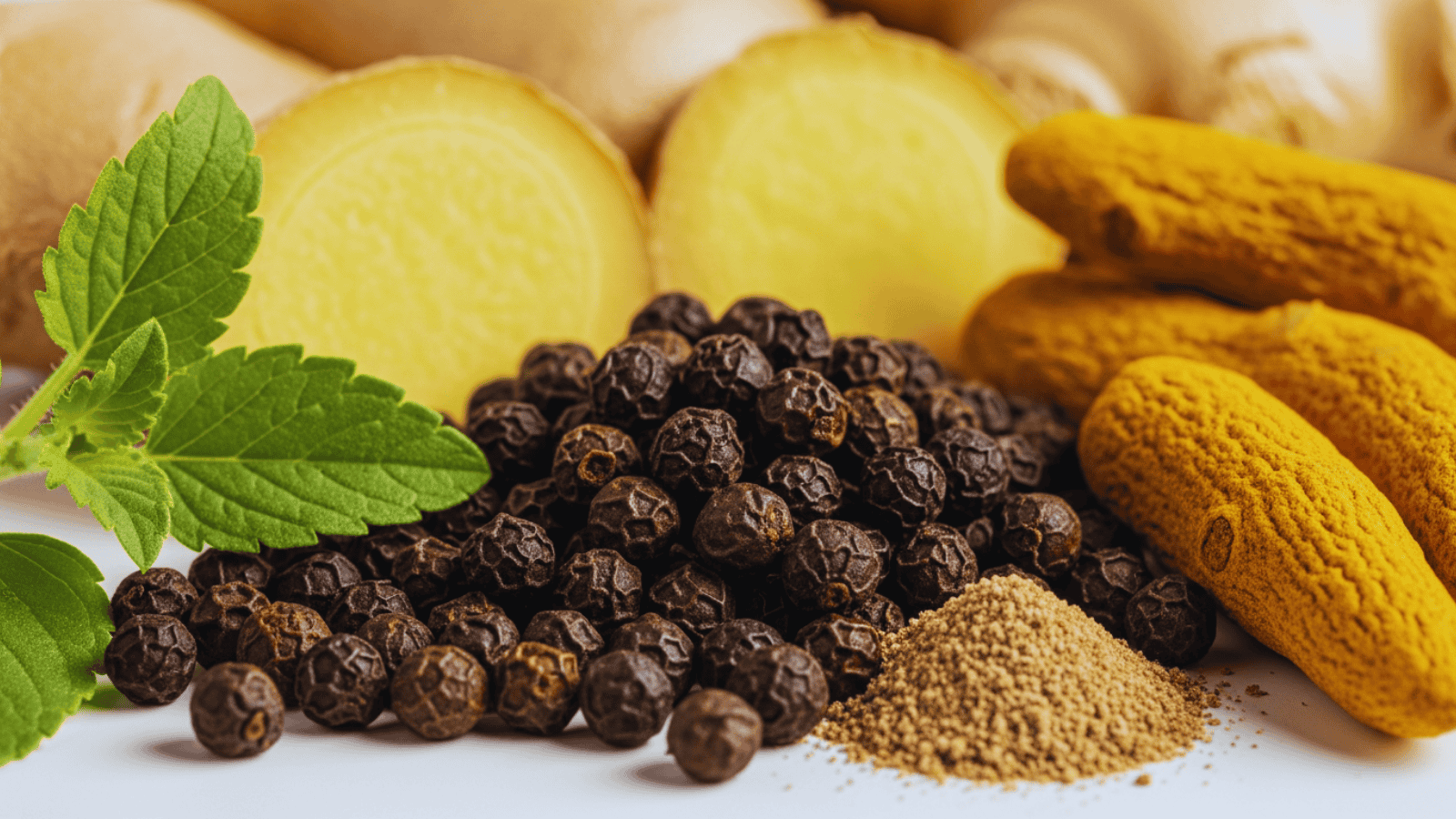
Winter has its own charm, but it also has a lot of seasonal problems. When the weather gets colder, it becomes very common to have problems like colds, coughs, chest congestion, low immunity, poor digestion, tiredness, dry skin, and a lack of energy. Many people use chemical syrups, tablets, or heating balms to get quick relief, but nature has always had a powerful cure right in our kitchen: black pepper, which is often called the “king of spices.” Black pepper is one of the strongest winter medicines in Ayurveda, Siddha, and other traditional natural healing systems, even though it looks small and simple. Modern research has also shown that piperine, the active ingredient in this product, has amazing antioxidant, anti-inflammatory, antimicrobial, neuro-stimulant, thermogenic, and bioavailability-boosting properties. This means that black pepper is good for you in every way.
In the winter, the digestive fire slows down, the mucus in the lungs gets thicker, the immune system weakens, and the body’s metabolism slows down. This is when black pepper really starts to protect you. It warms the body from the inside out, clears the airways, makes the lungs work better, boosts the immune system, helps digestion, gives you more energy, improves circulation, and helps the body fight infections better. So, on purpose adding black pepper to your winter diet can help you stay strong, active, and free of disease.
Why Black Pepper Works So Well in the Winter
Black pepper works especially well in the winter because it speeds up the body’s metabolism, which naturally raises body temperature. This warming effect is very important for keeping the body safe from cold winds and low temperatures. Piperine makes black pepper physiologically active, which means it affects more than one system in the body at the same time. Piperine increases bioavailability, which means it helps the body get more nutrients from food and herbs. That’s why turmeric and other spices work much better when you eat them with black pepper.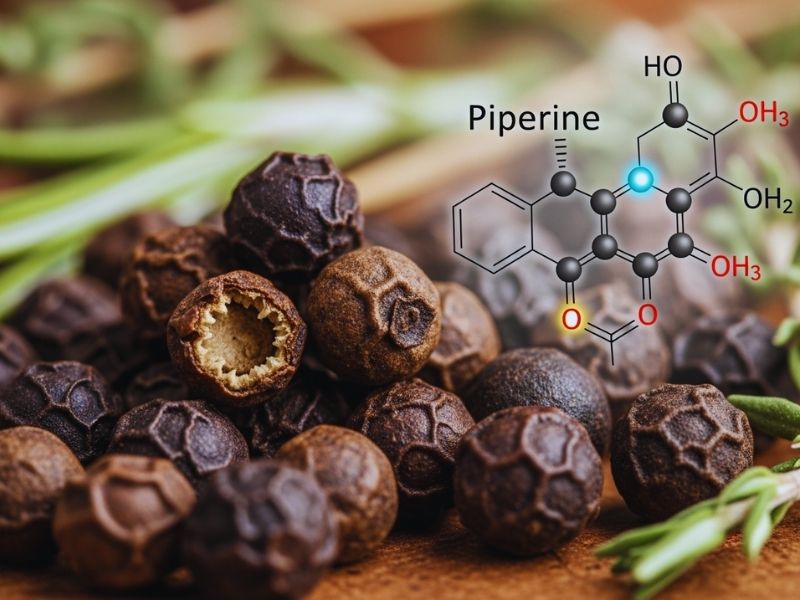
Another important reason black pepper works so well in the winter is that it helps the lungs. Cold weather makes mucus thicker and makes the airways smaller, which makes it hard to breathe. Black pepper helps the lungs’ blood flow, opens the airways, and thins the mucus, which makes it easier for the body to get rid of it. Black pepper also has antimicrobial properties that help fight viruses and bacteria that cause disease and are common in the winter. Its antioxidants help protect the body from the oxidative stress that comes from cold weather, pollution, and infection. This makes the body better able to fight off seasonal illnesses.
Black Pepper for Cough and Cold Relief
Colds and coughs in the winter can be hard to get rid of and can last for days. Black pepper is a natural remedy because it warms the body, clears the airways, and loosens up extra mucus. Black pepper stimulates nerve endings and helps blood flow better in the lungs when you eat it. This helps break up thick mucus and push it out of the breathing passage. Black pepper is used in a lot of home remedies because it helps you cough up mucus. It is often mixed with honey, ginger, or warm water.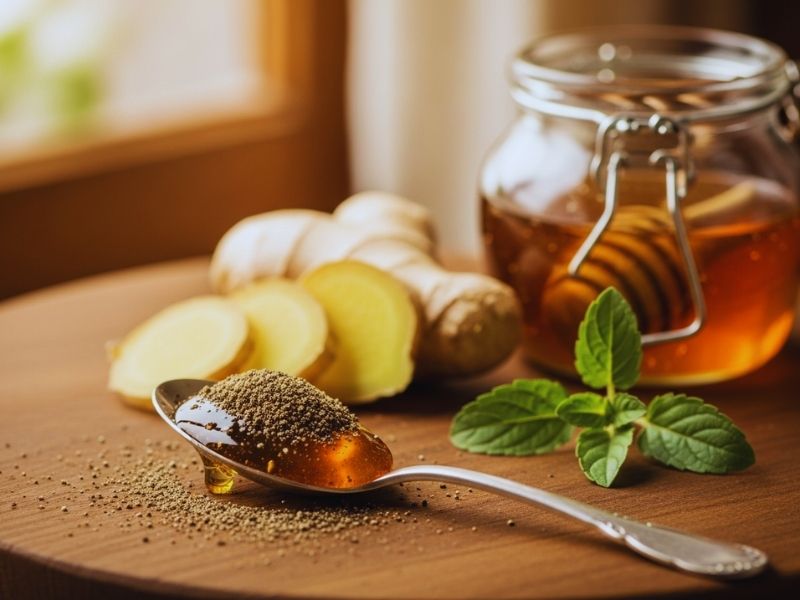
People who have sinus congestion, seasonal allergies, throat irritation, and wheezing often feel better quickly when they use black pepper in the winter. It fights the germs that cause colds and coughs because it has natural antimicrobial properties. Black pepper also helps with sore throats and lowers inflammation in the upper respiratory tract when mixed with honey. It helps control constant coughing, especially at night, by reducing mucus production. This is why black pepper is still a popular winter spice in Indian homes and traditional healing systems.
How Black Pepper Helps Your Immune System in the Winter
During the winter, the body’s immune system naturally weakens, making it more likely to get sick. Because it is full of antioxidants and has anti-inflammatory properties, black pepper is a strong immune system booster. Piperine lowers inflammation by controlling the activity of inflammatory mediators and helping the immune cells that are involved in defense activities. It boosts phagocytic activity, which means it makes immune cells better at killing harmful bacteria and viruses.
Black pepper has antioxidants that protect the body from free radicals. These are chemicals that can build up when you are cold, stressed, polluted, or have weak digestion. Black pepper keeps the immune system working at its best by protecting cells from damage caused by free radicals. Black pepper also helps your immune system by making it easier for your body to absorb nutrients. Black pepper helps the body absorb many important vitamins and minerals that are needed for immunity, like vitamin C, vitamin A, B-complex, and selenium. So, it boosts immunity in both direct and indirect ways, which makes it a very reliable winter spice.
Black Pepper to Help Digestion in the Winter
The cold weather makes digestive fire weaker in the winter, which can cause slow digestion, gas, bloating, constipation, heaviness, and a slow metabolism. Black pepper naturally boosts metabolic functions and digestive enzymes. When black pepper gets into the stomach, it makes more hydrochloric acid and makes digestive enzymes like amylase, protease, and lipase work harder. This helps the body break down food better, lowers the risk of indigestion, and stops fermentation from happening in the intestines.
Black pepper also helps the body absorb nutrients by making the intestines more permeable in a healthy way. Its thermogenic properties speed up metabolism and help the body burn calories faster. This makes it very helpful in the winter when people tend to eat too much and not move around as much. Ayurveda says that black pepper can help balance vata and kapha, which can get out of whack in the winter. Its warming properties help the digestive fire, or Agni, work better, even when it’s cold outside. Eating freshly ground black pepper in soups, salads, warm water, or herbal teas can make your digestion work much better.
Black Pepper for Energy, Warmth, and Tiredness in the Winter
During the winter, a lot of people feel tired, slow, lazy, and unmotivated. Piperine in black pepper stimulates the central nervous system, speeds up cellular metabolism, and increases the production of ATP, which is the body’s main source of energy. It helps the body feel warm in cold weather by improving blood flow, especially to the hands and feet. This is one reason why people like to add black pepper to hot drinks like soups, kadha, and herbal tea in the winter.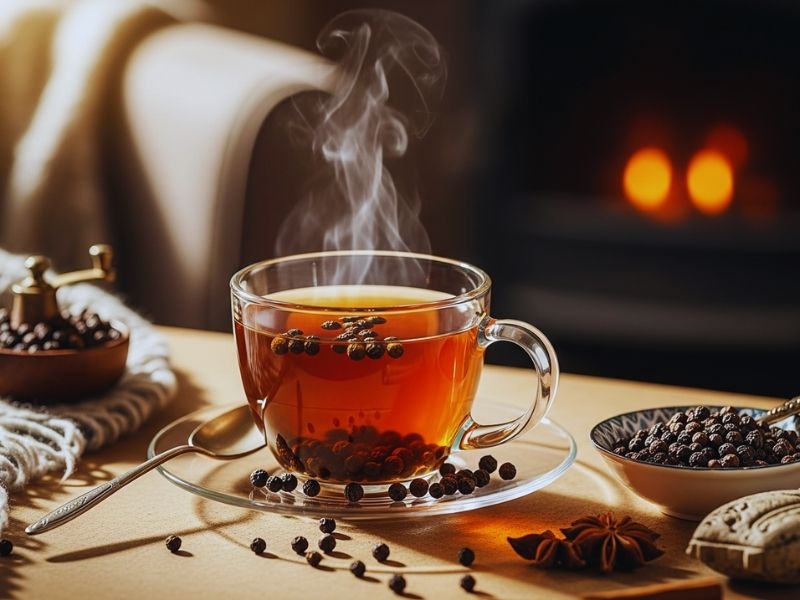
The warming effect also makes you feel better by activating neurotransmitters like dopamine and serotonin. These chemicals are very important for keeping your emotions in check, your mind sharp, and your drive. Black pepper’s soothing warmth eases stiffness in the body, boosts circulation, and helps keep the body’s temperature at a healthy level. Adding black pepper to your diet can help people who feel tired or low on energy in the winter feel lighter, more active, and more mentally clear.
Black Pepper to Keep Your Body Warm
Black pepper is one of the best spices to use in the winter to warm up your body. Its thermogenic effect speeds up metabolism and wakes up the nervous system, which helps the body make heat on its own. This mechanism helps blood flow properly, especially to places like the hands and feet, which tend to stay cold in the winter. Black pepper is a great spice to add to soups, broth, warm water, teas, and milk because it warms them up.
The warming effect also helps relax the muscles that control breathing and makes sure that oxygen gets to all parts of the body. This stops symptoms like shivering, stiffness, and less blood flow. Black pepper is often used in winter products that bring back warmth, energy, and life because it has the ability to heat up the body from the inside. It also helps get rid of toxins that build up in the body when it’s cold, when digestion is slow, and when metabolism is slow. Its ability to make heat helps keep you healthy in the winter.
Black Pepper for Lung Function and Respiratory Health
In the winter, a lot of people have trouble breathing. Some examples are asthma, bronchitis, sinusitis, and allergic rhinitis. Black pepper is good for your lungs because it reduces inflammation, opens up the airways, and makes them work better. Piperine helps calm down irritated airways by stopping the release of inflammatory cytokines. It also lowers mucus hypersecretion, which is one of the main reasons why it’s hard to breathe in the winter.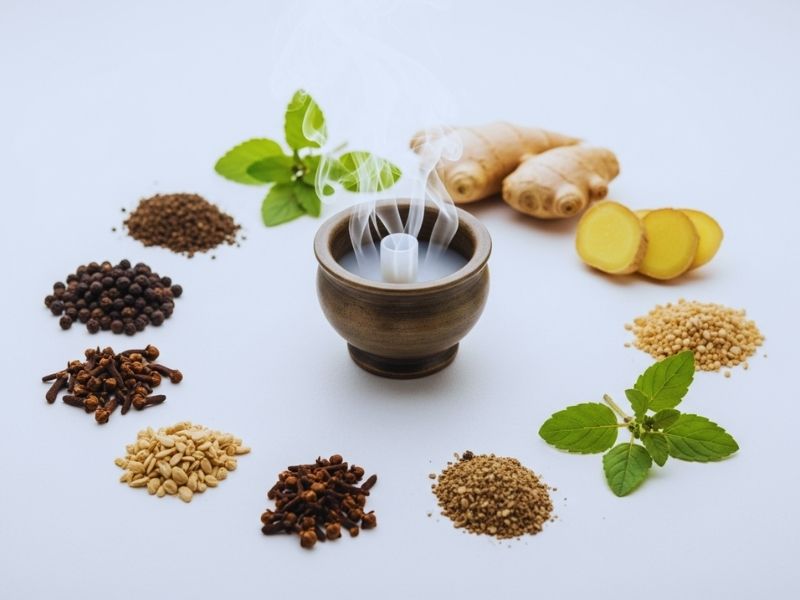
Black pepper helps with breathing by improving blood flow in the lungs, which helps with oxygen exchange. People who are prone to allergies or respiratory infections often find that black pepper-based remedies work very well. Several Ayurvedic medicines, such as Trikatu, Sitopaladi Churna, and Pippali Rasayana, all of which are made to improve respiratory health, use black pepper as their main ingredient. Eating or drinking warm food or drinks with freshly ground black pepper in them on a regular basis helps keep your breathing clear all winter long.
Black Pepper for Brain Health in the Winter
Winter can change how alert and happy you feel. Cold weather slows down the nervous system, makes blood flow less freely, and makes people more likely to be bored and not pay attention. Black pepper helps fight these effects by making neural pathways work better and increasing brain activity. Piperine makes neurotransmitters like serotonin and dopamine more available, which makes mood more stable and mental clarity better. It also makes cognitive functions like memory, focus, and concentration better.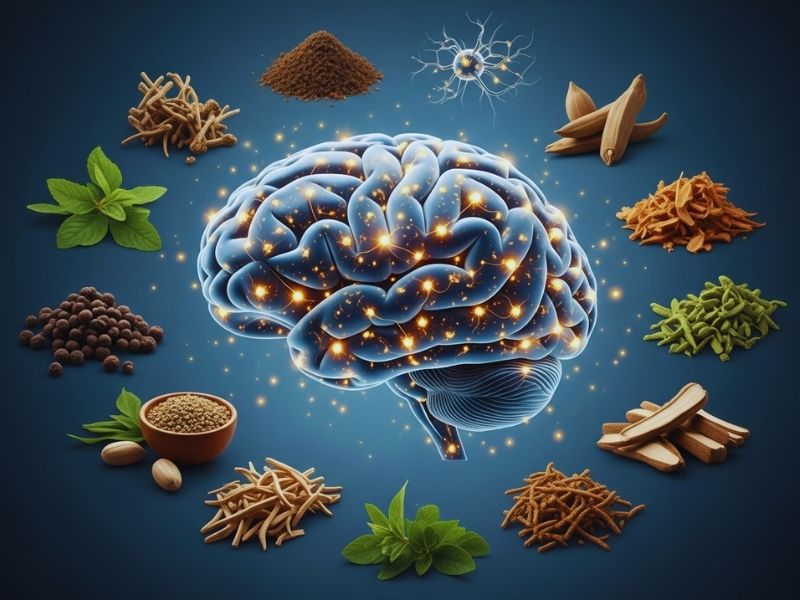
Black pepper helps the brain work better by improving blood flow. It keeps the brain busy and stops people from getting lazy in the winter. Adding a small amount of black pepper to your daily meals can help people who get the winter blues or feel sluggish in the summer. It warms you up and wakes you up, which makes your mind sharper and more focused on cold days.
Black Pepper for Healthy Skin in the Winter
Because of low humidity and slow circulation, winter can make the skin dry, dull, and flaky. Black pepper helps the skin look younger from the inside out by increasing blood flow and helping the body get rid of toxins. Its antioxidants protect the skin from free radicals and stress from the environment. Black pepper can help clear up acne caused by winter dryness or an upset stomach when eaten on a regular basis. It also helps the body make collagen, which keeps the skin firm and young.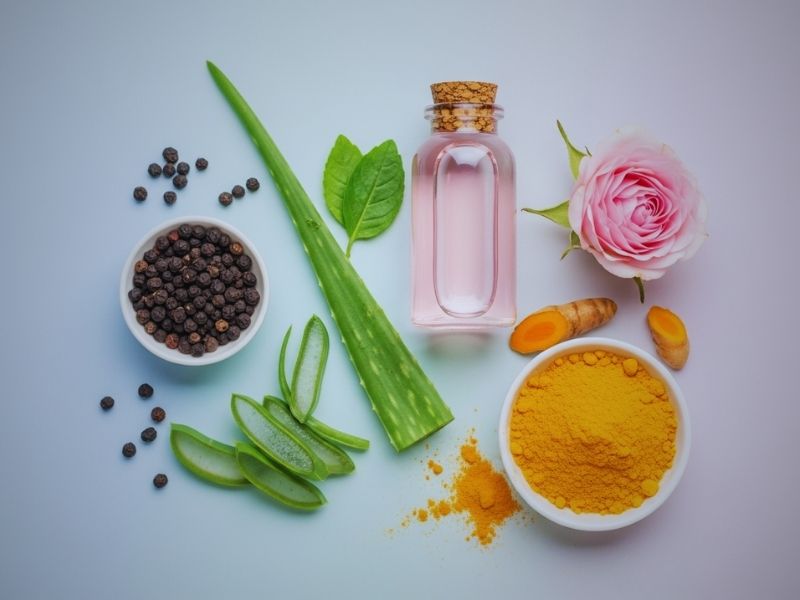
Black pepper indirectly improves skin health by helping the body absorb nutrients better because it speeds up digestion and metabolism. When you eat warm foods with black pepper, your body gets rid of toxins, which makes your skin look clearer. It also warms up the facial tissues, which improves circulation and gives the skin a natural glow in the winter.
The Best Ways to Use Black Pepper in the Winter
When you crush black pepper, it has the most piperine and essential oils, so that’s the best way to use it. Adding a little black pepper to warm soups, herbal teas, kadha, salads, warm water, turmeric milk, or cooked food can make them even better for your health. When you mix black pepper with honey, it can help with a cold or cough. When you boil black pepper with ginger and tulsi, you get a great drink for boosting your immune system in the winter. It’s best not to eat too much black pepper; a small amount every day is enough to keep you healthy in the winter.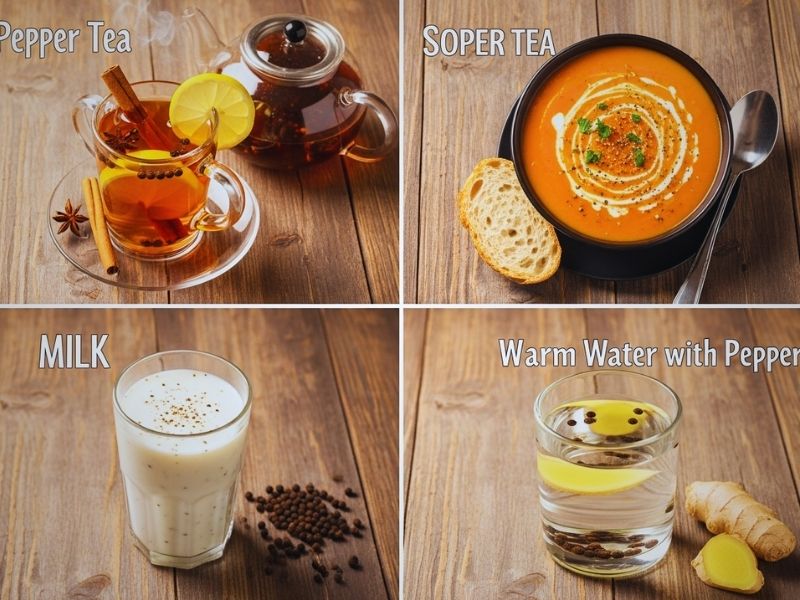
The Ayurvedic Importance of Black Pepper in the Winter
Ayurveda says that black pepper, or Maricha, is one of the most important spices for balancing kapha and vata, which get out of balance during the winter. It is known to boost digestive fire, get rid of toxins, make breathing easier, and boost overall health. Old Ayurvedic texts talk about using black pepper in a number of recipes that are good for your respiratory, digestive, and immune systems. Adding it to Trikatu (a mix of black pepper, long pepper, and dry ginger) shows how important it is for boosting warmth, metabolism, and breathing strength. Ayurveda says that black pepper is a winter essential for keeping the body working normally because of these qualities.
Precautions and Daily Dose
Black pepper is very good for you, but you shouldn’t eat too much of it. The best amount to use every day is between 1 and 2 grams of freshly ground pepper. Too much of it can make your stomach hurt, make your body hotter, or make you feel more acidic. People who are pregnant or have severe acidity or ulcers should be careful when using it. Black pepper is a strong winter protector that doesn’t have any side effects when used correctly and in small amounts.
Conclusion: Black Pepper Is a Superfood for the Whole Winter
Black pepper is more than just a spice that makes food taste better; it is a powerful winter medicine that has been used for thousands of years and is still used today. It is a great health companion in the winter because it warms you up, fights inflammation, boosts your metabolism, and makes nutrients more available to your body. It helps the respiratory system, boosts immunity, digestion, energy, and brain function, keeps the body warm, and makes the skin glow. Black pepper is truly nature’s hot remedy for winter health because it has so many health benefits in such a small amount. You can stay warm, strong, energetic, and disease-free all season long by using a little bit of this strong spice every day.