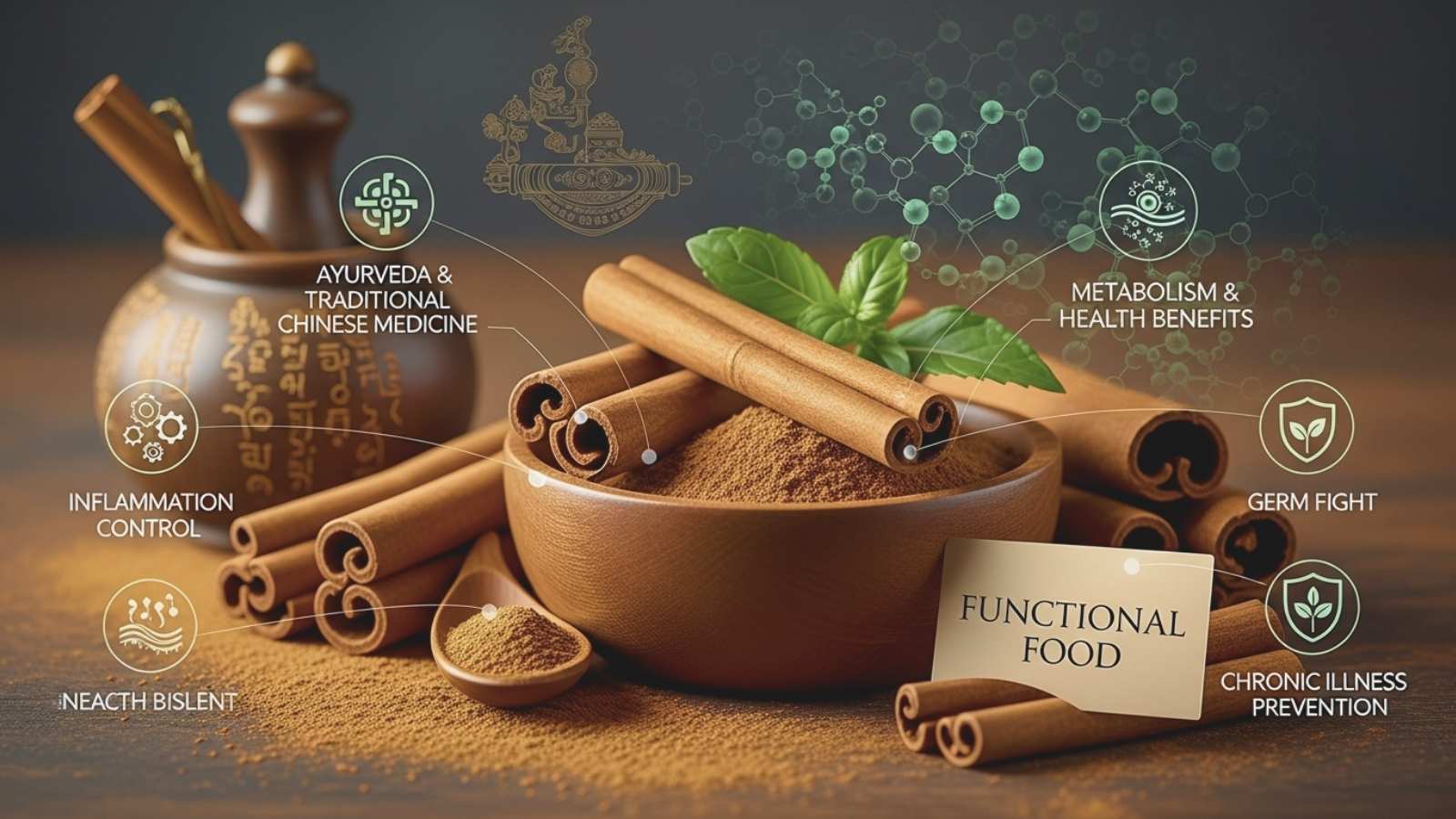
Cinnamon is more than just a wonderful cooking spice; it is a physiologically active plant product that has long been employed in medicine, including Ayurveda, traditional Chinese medicine, and Middle Eastern healing techniques. Cinnamon is mostly derived from the inner bark of plants in the genus Cinnamomum. It has received a lot of attention from modern research because of its numerous health benefits, particularly in terms of metabolism regulation, inflammation control, germ fighting, and chronic illness prevention. Modern science is beginning to regard cinnamon as a functional food, which means it provides health advantages in addition to being a solid source of nutrition.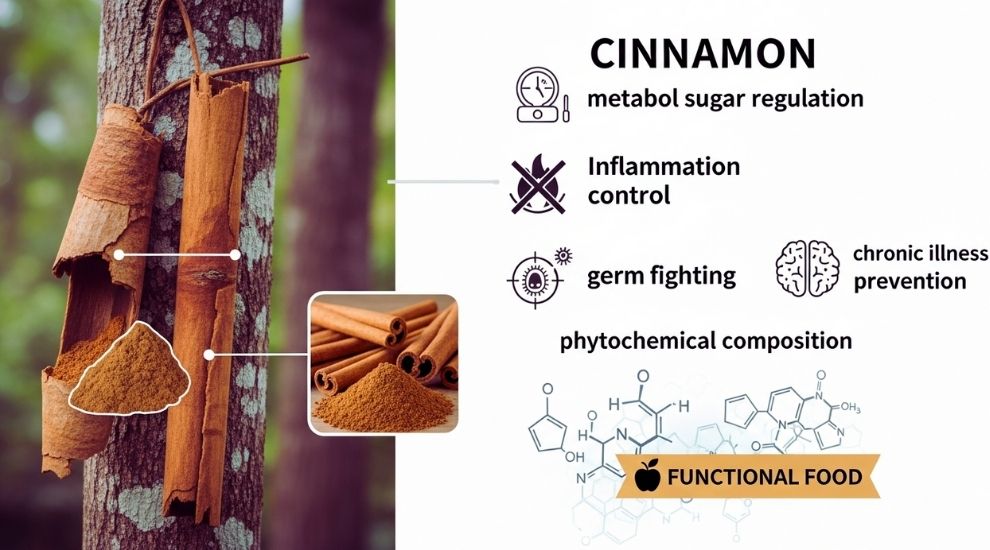 Cinnamon’s scientific analysis reveals a complicated phytochemical composition that interacts with a variety of biological processes, making it one of the most widely explored medicinal spices in modern nutritional science.
The chemical structure and botanical classification of cinnamon
Cinnamomum verum (Ceylon cinnamon) and Cinnamomum cassia (Cassia cinnamon) are the two main varieties of cinnamon used in medicine. These species differ in terms of phytochemical content, particularly coumarin, and flavor intensity. Cinnamon’s therapeutic properties are mostly due to its bioactive constituents, which include cinnamaldehyde, cinnamic acid, eugenol, proanthocyanidins, flavonoids, and volatile oils. Cinnamaldehyde is the major chemical responsible for cinnamon’s fragrance and many of its medical benefits. These compounds contain antioxidant, anti-inflammatory, insulin-sensitizing, antimicrobial, and lipid-lowering properties, indicating that even small doses of cinnamon in the diet can have a significant impact on the body.
Controlling Blood Sugar Using Cinnamon
Cinnamon has been clinically demonstrated to assist the body in breaking down glucose and maintaining stable blood sugar levels. Cinnamon has been found in multiple clinical and experimental trials to increase insulin sensitivity by boosting insulin receptor signaling and glucose absorption in peripheral tissues such as skeletal muscle and adipose tissue.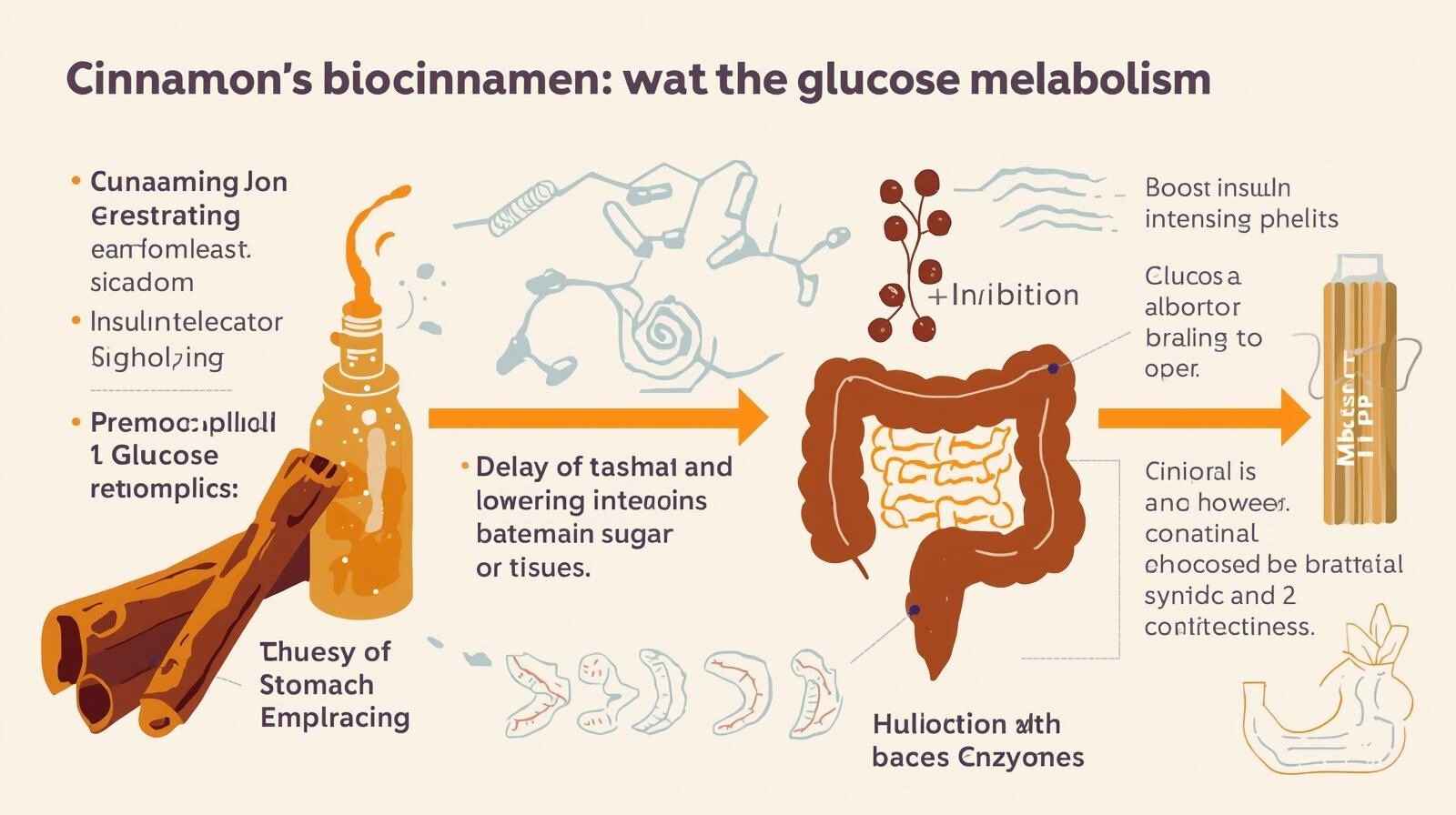 Cinnamon appears to operate similarly to insulin, increasing insulin receptor kinase while decreasing phosphatases that inhibit insulin signaling. Cinnamon also delays stomach emptying and inhibits intestinal enzymes such as alpha-glucosidase, lowering blood sugar spikes after meals. These pathways explain why cinnamon has been demonstrated to benefit persons with insulin resistance, metabolic syndrome, and type 2 diabetes.
Cinnamon’s Impact on Lipid Metabolism and Heart Health
Cinnamon has been found to improve lipid profiles, which is beneficial in the prevention of heart disease. Cinnamon consumption has been shown in studies to reduce total cholesterol, low-density lipoprotein cholesterol (LDL-C), and triglycerides while maintaining or slightly increasing high-density lipoprotein cholesterol (HDL-C). These benefits are thought to occur by modulating hepatic lipid metabolism and inhibiting lipid peroxidation.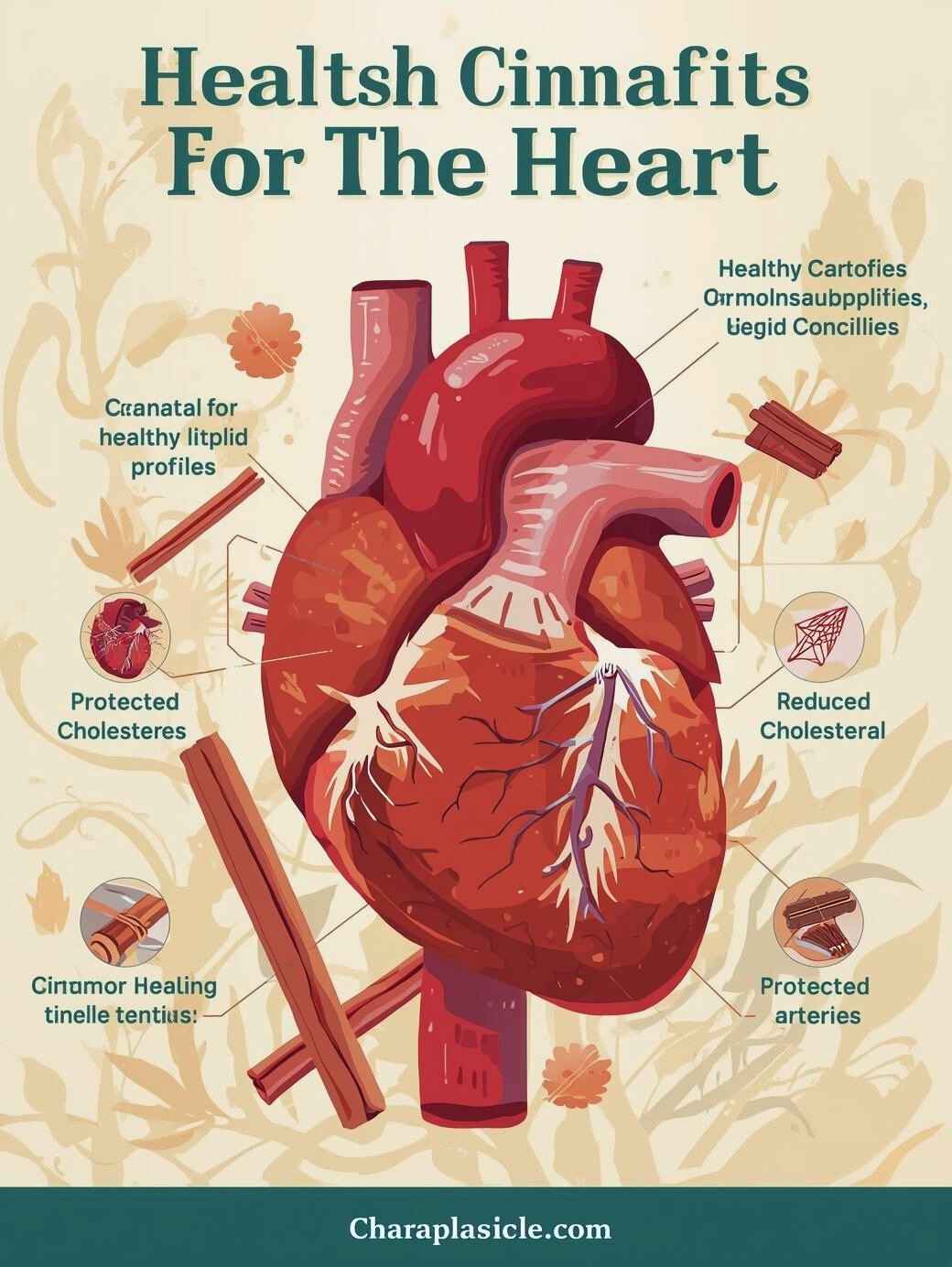 Cinnamon’s antioxidant polyphenols prevent LDL particles from altering in ways that contribute to atherosclerosis. Cinnamon benefits the heart and blood vessels by improving endothelial function and reducing inflammation in the vessels. It may also reduce the risk of coronary artery disease.
Properties that reduce inflammation and alter the immune system
Chronic low-grade inflammation is a major contributor to the development of many modern diseases, including diabetes, cardiovascular disease, arthritis, and neurological disorders. Cinnamon has potent anti-inflammatory properties because it inhibits pro-inflammatory cytokines such as tumor necrosis factor-alpha, interleukin-6, and nuclear factor kappa B signaling pathways. Cinnamaldehyde and other phenolic compounds in cinnamon inhibit the activity of inflammatory enzymes such as cyclooxygenase and lipoxygenase.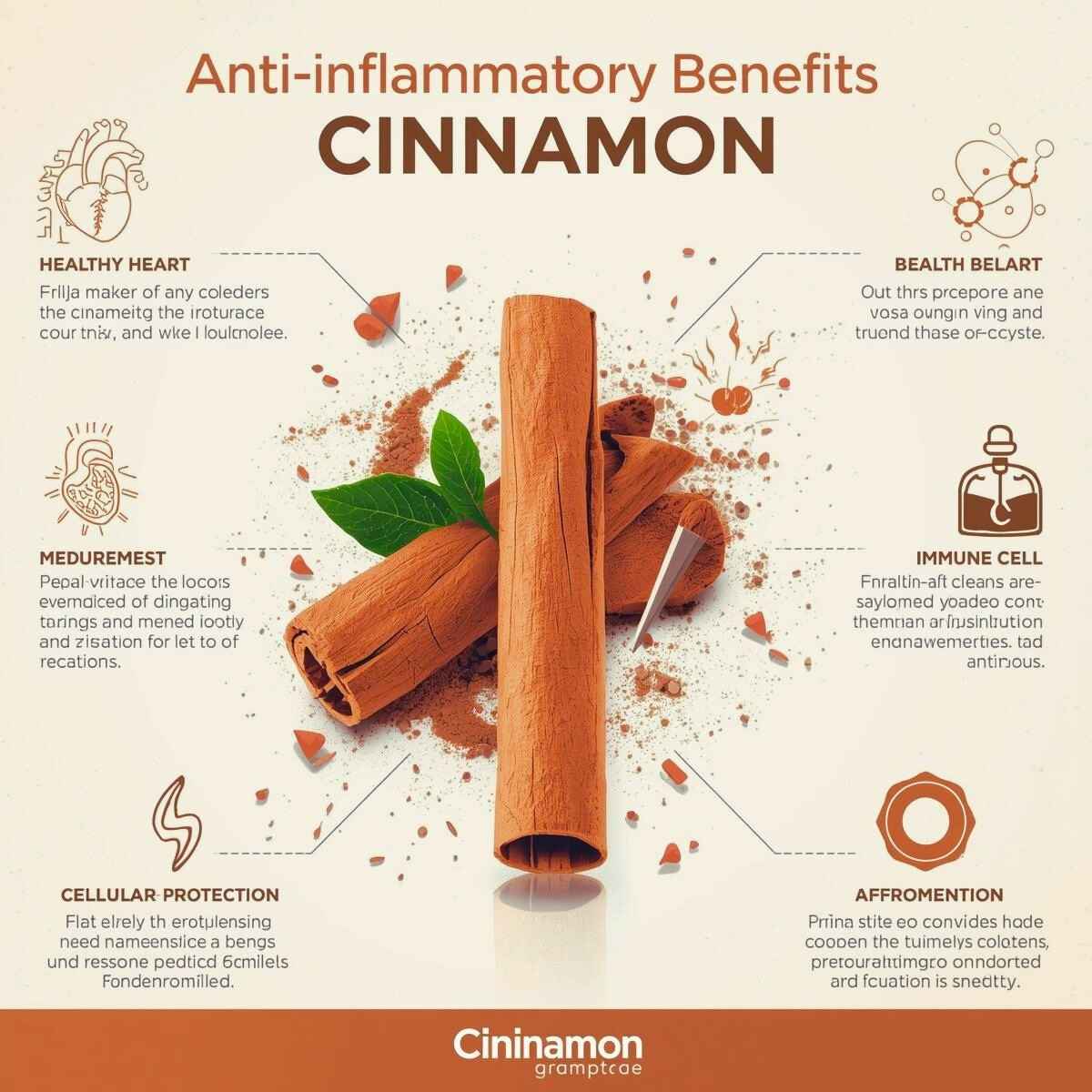 This immune system function reduces inflammation in tissues, maintains immune system equilibrium, and protects cells from inflammation-related damage. This makes cinnamon an excellent choice for long-term health maintenance.
Antioxidant Power and Cell Protection
Oxidative stress occurs when reactive oxygen species become too potent for the body’s antioxidant defense systems to handle. This leads to cell damage, accelerated aging, and disease progression. Cinnamon contains polyphenolic antioxidants that eliminate free radicals and increase the activity of endogenous antioxidant enzymes such as superoxide dismutase and glutathione peroxidase.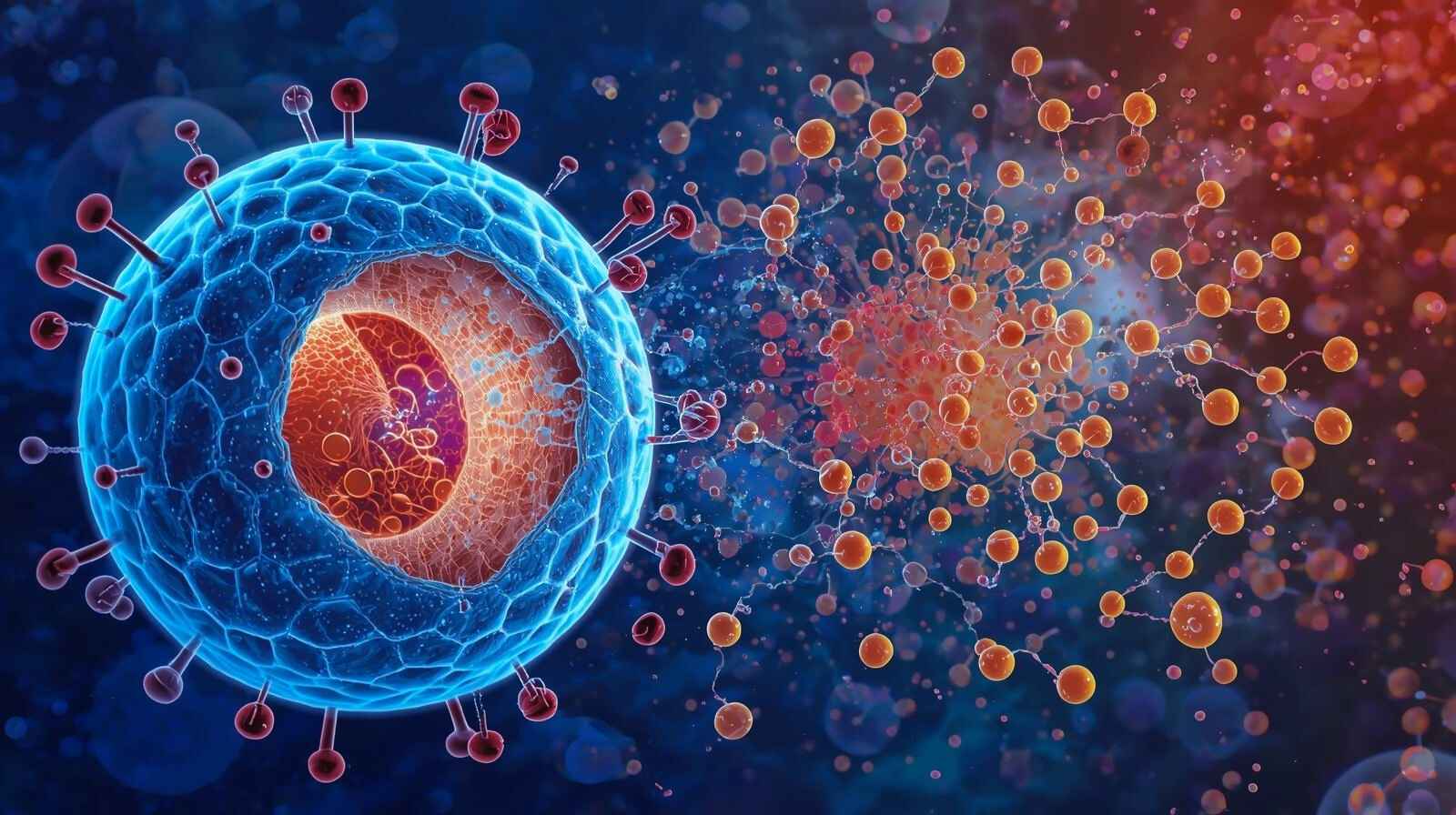 Comparative studies have shown that cinnamon is one of the most antioxidant-rich spices, outperforming several fruits and vegetables. Cinnamon helps cells survive longer by reducing oxidative DNA damage and lipid peroxidation. It also helps to prevent oxidative stress-related ailments like cancer, heart disease, and neurological disorders.
Cinnamon contains antifungal and antibacterial properties
Cinnamon has long been used as a natural preservative due to its high antibacterial properties. Cinnamon essential oil and cinnamaldehyde have been demonstrated in recent microbiological studies to inhibit the growth of a variety of bacteria, fungi, and yeast. These include Escherichia coli, Staphylococcus aureus, Candida albicans, and Helicobacter pylori. Cinnamon breaks down microbial cell membranes, inhibits enzyme activity, and prevents biofilm formation. These properties make cinnamon beneficial to your intestinal health, oral hygiene, and food safety. They also support its traditional use as a remedy for infections and stomach issues.
Cinnamon and Your Digestive Health
Cinnamon benefits the digestive system by boosting the activity of digestive enzymes, hastening the passage of food through the stomach, and reducing the quantity of gas produced in the intestines. Its carminative characteristics aid in alleviating bloating, indigestion, and stomach discomfort. Cinnamon also provides mild antispasmodic properties for the smooth muscles of the digestive tract, which can aid with cramps and make bowel movements more regular. Cinnamon also promotes a balanced intestinal environment, which is necessary for nutritional absorption, immunological function, and metabolic control. This is because it modulates gut microbiota composition and inhibits harmful microorganisms.
Neuroprotective Properties and Brain Wellness
New scientific research suggests that cinnamon may protect the brain by reducing oxidative stress and inflammation in the central nervous system. Some cinnamon metabolites have been shown to prevent tau proteins from aggregating, which is a hallmark of Alzheimer’s disease. 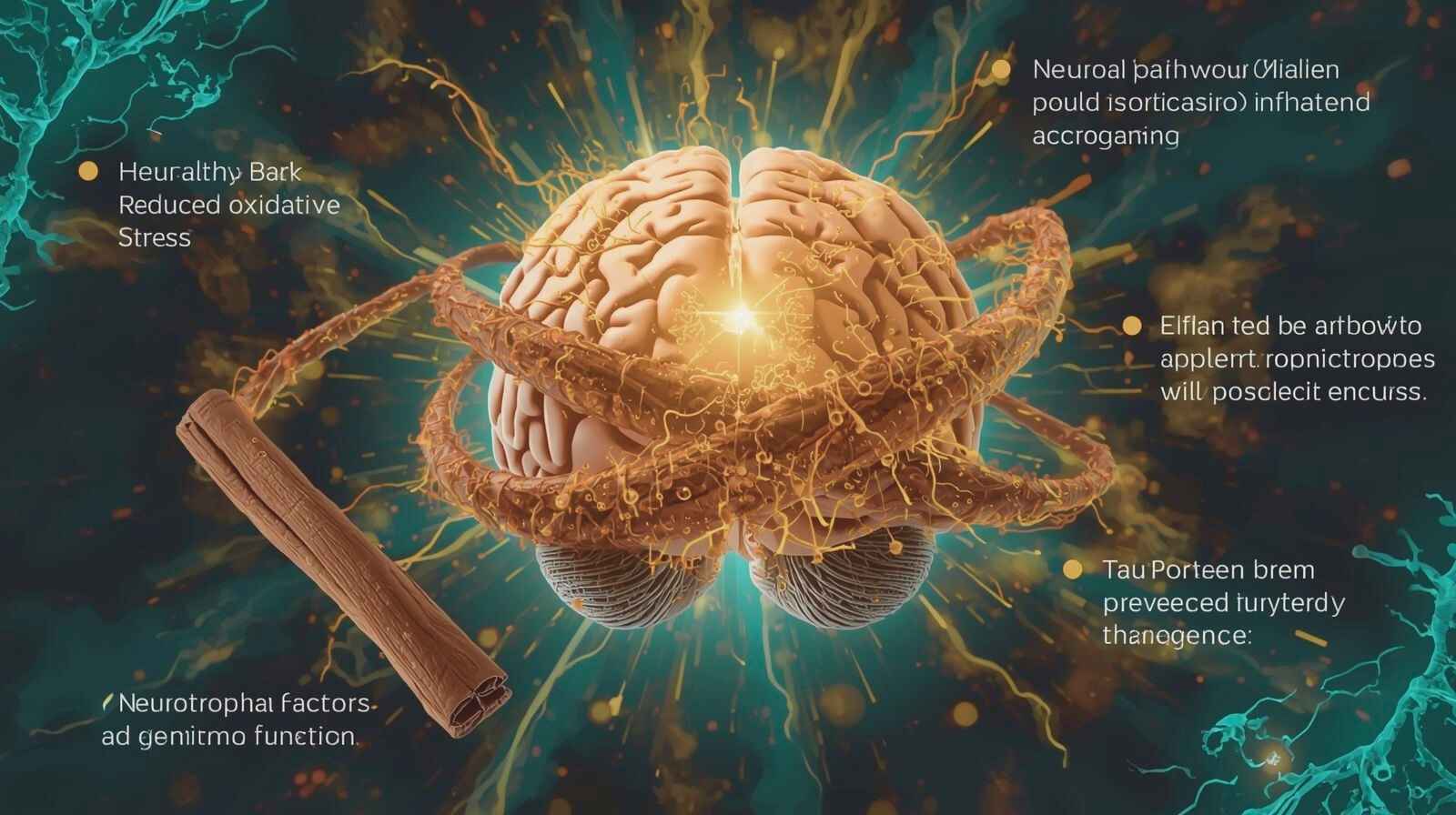 Cinnamon also enhances the expression of brain-derived neurotrophic factor, which promotes neuronal growth, synaptic flexibility, and cognitive ability. Cinnamon may help prevent cognitive loss associated with aging by increasing blood flow to the brain and decreasing neuroinflammation. This could improve memory, learning, and memory.
Cinnamon and Managing Your Weight
Cinnamon impacts metabolism in a way that aids in weight management and fat metabolism. Cinnamon reduces the amount of insulin the body produces in excess, which has been related to fat storage. It achieves this by increasing insulin sensitivity and maintaining stable blood sugar levels. Cinnamon also has an effect on appetite management by slowing digestion and making people feel full. 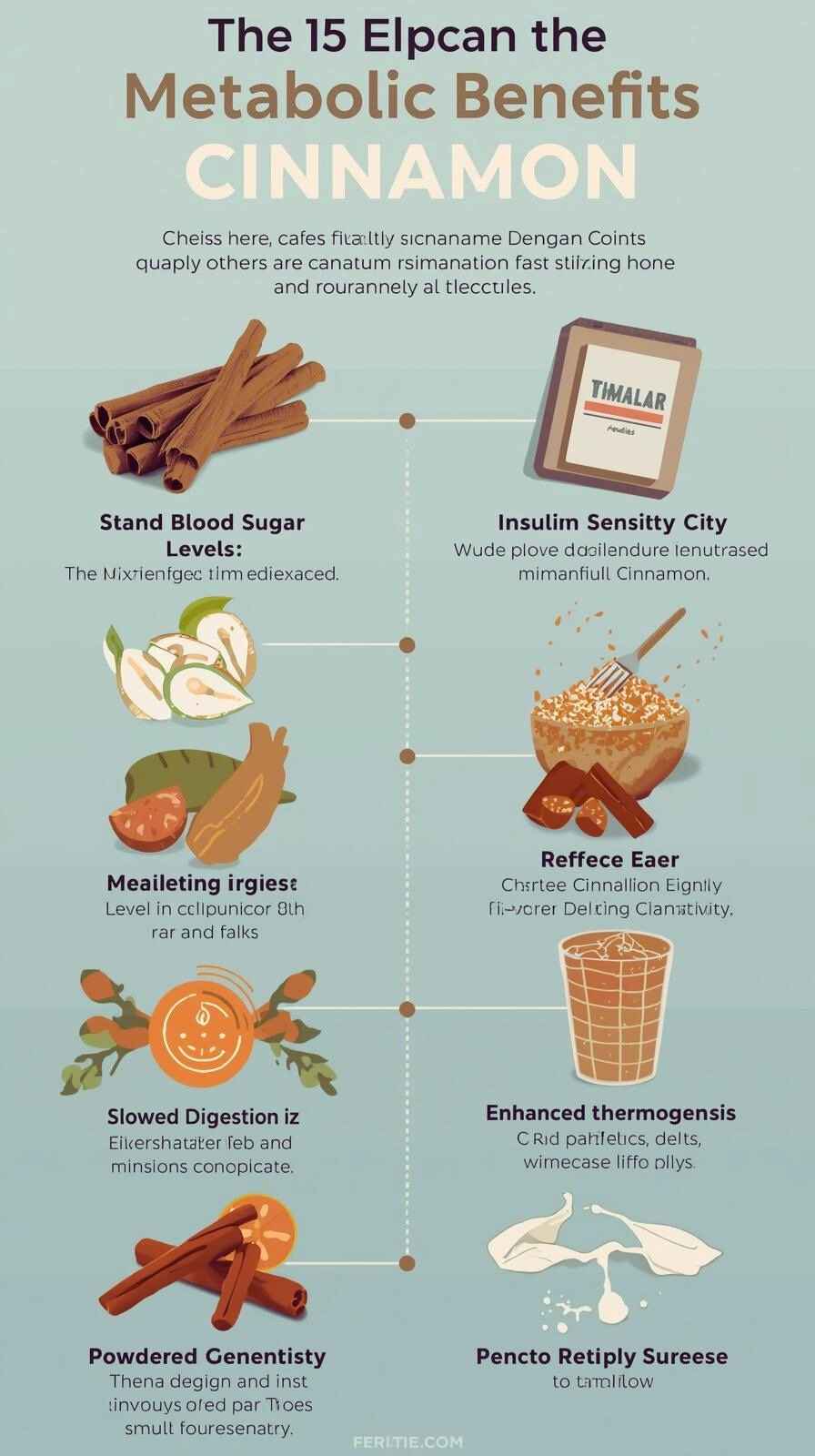 Cinnamon has been shown in laboratory studies to increase thermogenesis and lipid oxidation, potentially leading to increased energy use. Cinnamon’s metabolic effects make it an excellent meal choice for anyone looking to stay healthy and prevent becoming overweight.
Be aware of the safety and dosage
Cinnamon has several health benefits, but it should only be consumed in moderation. Cassia cinnamon has more coumarin, which may be damaging to the liver if consumed in excess over a prolonged period. Ceylon cinnamon has significantly less coumarin and is generally believed to be safer for daily use. Most clinical studies demonstrate that a moderate dose of the substance in the diet, typically between 1 and 3 grams per day, is sufficient to provide health benefits with no undesirable side effects. People who have liver problems, are taking anticoagulants, or are pregnant should consult their doctor before using cinnamon as a treatment.
Conclusion: Cinnamon is a scientifically proven therapeutic spice
Cinnamon serves as a link between traditional wisdom and modern scientific evidence. Cinnamon is a potent medicinal spice that has numerous health benefits, including blood sugar regulation, lipid management, free radical protection, inflammation reduction, bacteria killing, and brain protection. Cinnamon’s place as a functional food in preventive nutrition is strengthened by ongoing scientific research into its effects on metabolic and cellular health. Cinnamon, when used correctly, is a natural, easily accessible, and scientifically supported strategy to boost health and long-term wellness.