

Clove, or Syzygium aromaticum, is one of the oldest medicinal spices that people from many cultures have used for its healing, fragrant, and preservative properties. This spice comes from the dried flower buds of the clove tree. It is highly valued in Ayurveda, Unani, Siddha, and traditional Chinese medicine because it has strong bioactive compounds. Eugenol, a phenylpropanoid, is one of the most important parts of the plant. It is known for its pain-relieving, anti-inflammatory, antioxidant, and antimicrobial effects. Modern pharmacological studies confirm that clove possesses a wide range of therapeutic properties that aid in pain relief, oral hygiene, digestion, respiratory health, and infection management. Clove has gotten a lot of attention around the world in the last few years because it can be used in many different ways, has many antioxidants, and may be able to help with natural health problems.
Clove has a lot of volatile oils, tannins, flavonoids, and phenolic compounds, all of which make it a powerful medicine. Researchers have thoroughly examined clove oil, clove extract, and eugenol for their biological roles in pain modulation, antibacterial properties, free-radical scavenging effects, and gastroprotective functions. Clove is a useful natural treatment for modern lifestyle problems like oxidative stress, oral infections, inflammatory conditions, and metabolic dysfunctions because it has many different pharmacological effects. This article looks at the scientific basis for clove’s health benefits, focusing on its ability to relieve pain, improve oral health, and fight germs. The content helps readers understand why clove is still one of nature’s most powerful healing spices.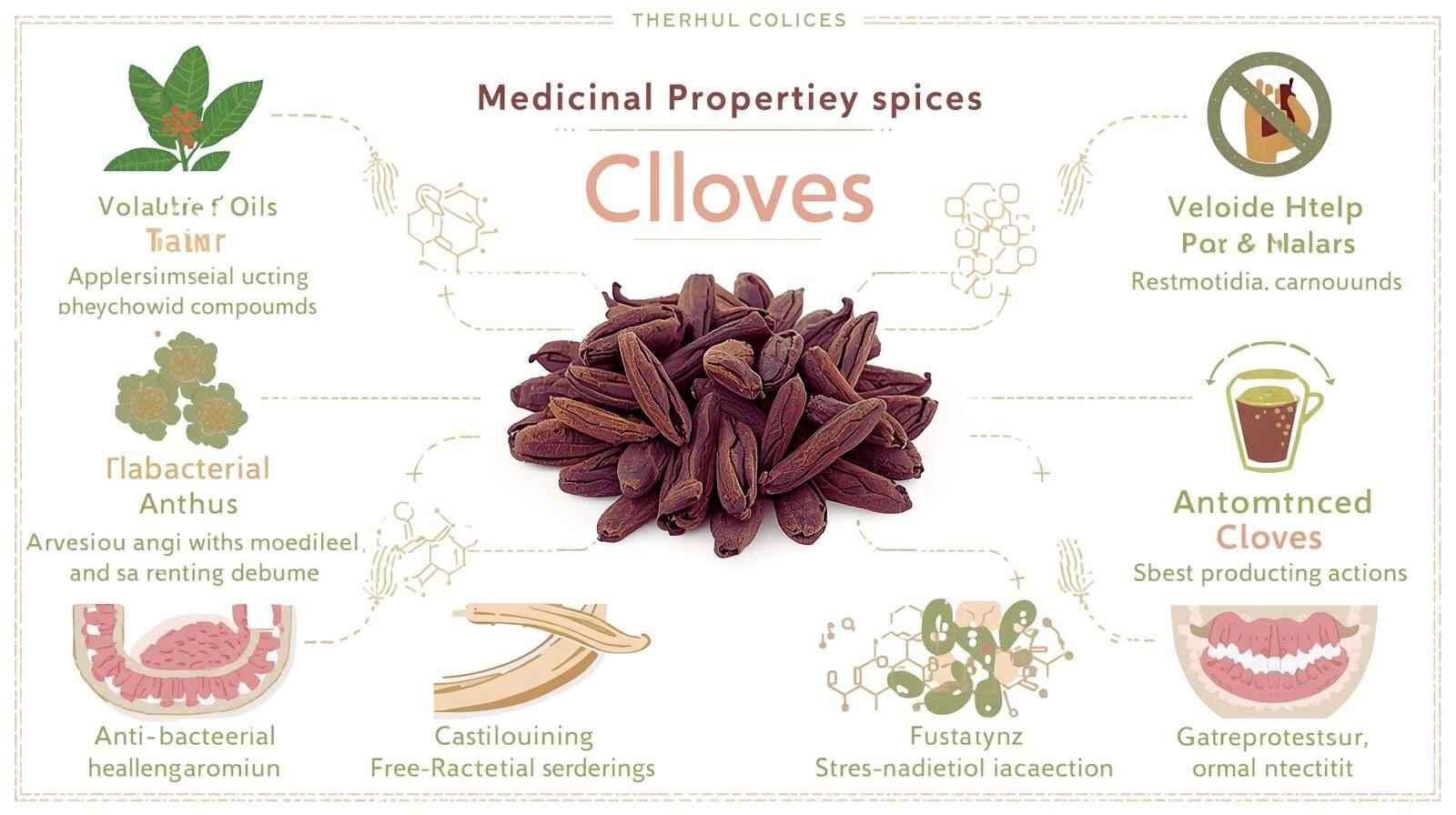
The chemical makeup and bioactive compounds in clove
Clove is one of the most chemically complicated spices. It has 15–20% essential oil, and its main bioactive parts are eugenol, eugenyl acetate, caryophyllene, and humulene. Eugenol makes up about 70–85% of clove oil, which is what gives it its strong smell and health benefits. Eugenyl acetate, which comes from eugenol, has more pain-relieving and antioxidant effects. β-caryophyllene, on the other hand, works as a dietary cannabinoid and reduces inflammation by modulating the CB2 receptor. Flavonoids like quercetin, kaempferol, and rhamnetin are also found in clove buds. These are known to be beneficial for the heart and fight free radicals.
Clove is one of the best spices on the ORAC (Oxygen Radical Absorbance Capacity) scale because it has many phenolic compounds. Studies indicate that clove has a much higher ability to scavenge free radicals than many fruits and herbs, such as blueberries, turmeric, and rosemary. Gallic acid and ellagic acid enhance clove’s capacity to reduce oxidative stress at the cellular level. Together, these bioactive compounds intensify the anti-inflammatory, pain-relieving, antimicrobial, and anti-cancer properties of clove. Because clove is so rich in biochemicals, it plays an important role in natural medicine, functional foods, and phytopharmaceutical formulations.
Clove for Pain Relief: How It Works to Reduce Pain and Inflammation
People have used clove as a natural pain reliever for a long time, especially for toothaches, joint pain, and muscle pain. Modern scientific research reveals a close relationship between clove’s pain-relieving effects and eugenol, which can influence pain in both the central and peripheral nervous systems. Eugenol is a natural blocker of prostaglandin synthesis because it blocks the cyclooxygenase (COX-2) pathway. This process makes pain from inflammation less severe. It also affects TRPV1 receptors, which are important for sensing pain from heat and inflammation. The result makes clove especially good at relieving sudden dental pain, sore muscles, and headaches.
Clove oil has anti-inflammatory properties because it lowers the levels of pro-inflammatory cytokines like TNF-α, IL-1β, and IL-6. Animal studies have shown that clove extract can help with arthritis, sprains, and other inflammatory skin problems by reducing swelling and slowing the progression of inflammatory diseases. Applying diluted clove oil to the skin can help blood flow in the area, which can help muscles relax and reduce pain. Clove also has calcium channel-blocking properties that help relax smooth muscle spasms in the respiratory and gastrointestinal tracts. These different biochemical effects make clove a strong natural choice for safely controlling pain and swelling.
Clove in oral care: it kills germs, numbs pain, and protects teeth
Clove has been used for a long time in oral and dental care, and scientific research backs up its importance. Dentists often use eugenol because it is a local anesthetic, antiseptic, analgesic, and anti-inflammatory. Dentists use zinc oxide-eugenol cement to fill cavities, alleviate tooth pain, and safeguard exposed dental pulp. Eugenol, a natural substance that can numb nerves and reduce pulp inflammation, is essential for treating acute dental pain.
Clove is effective against Streptococcus mutans, the main bacterium that causes dental caries, because it has antimicrobial properties. Clove extract stops plaque from forming, stops bacteria from building up in biofilms, and lowers the amount of acid that is made in the mouth. Clove mouthwash or herbal toothpaste with clove in it can help a lot with foul breath, gum inflammation, and oral infections. Clove also helps the gums stay healthy by increasing blood flow in the tissues and stopping oxidative damage from bacterial toxins. Clove is still an important part of natural oral hygiene products like tooth powders, mouthwashes, and herbal gum care gels because it offers many benefits for the mouth.
Clove has the ability to kill bacteria and fungi
People know that clove is a strong antimicrobial agent. Scientific research has indicated that it can stop a wide range of germs, such as bacteria, fungi, and viruses. Eugenol is a phenolic compound that breaks down bacterial cell membranes, messes with enzymatic pathways, and slows down the metabolism of harmful microorganisms. Clove oil has strong antibacterial properties against pathogens like Escherichia coli, Staphylococcus aureus, Pseudomonas aeruginosa, and Klebsiella pneumoniae. Its effectiveness makes it useful for stopping infections and foodborne illnesses.
Clove has been shown to work against Candida albicans, the fungus that causes oral thrush, vaginal yeast infections, and skin fungal infections. Clove extract disrupts the membranes of fungal cells by inhibiting the production of ergosterol, leading to the breakdown of the cells. This antifungal mechanism shows promise for making herbal treatments for fungal infections that are safer. Studies indicate that clove exhibits antiviral properties against enveloped viruses by destabilizing viral envelopes and inhibiting replication.  Clove is a valuable natural remedy for boosting the body’s defenses against infections and supporting immune health because it has antimicrobial properties.
Clove for Digestive Health: It protects the stomach and helps with gas
For hundreds of years, people have used clove to help with digestion and ease stomach pain. The spice has carminative compounds in it that relax the smooth muscles of the digestive tract, which helps with gas, bloating, and stomach cramps. Eugenol is an anti-inflammatory substance that helps calm gastritis, indigestion, and intestinal spasms in the gut. Clove extract makes digestive enzymes work better, helps the body absorb nutrients better, and helps the stomach move food through it more easily.
Recent research underscores clove’s gastroprotective properties in safeguarding the gastric mucosa from ulcers. Clove contains antioxidants that stop free radicals from damaging gastric tissues. This lowers the risk of mucosal damage. Its ability to stop Helicobacter pylori, a bacterium that causes peptic ulcers, adds to its role in keeping the stomach healthy. Regularly eating small amounts of clove can help your digestive system work better, keep your bowels healthy, and ease the symptoms of dyspepsia. So, clove is a natural digestive stimulant and gut-soothing remedy with benefits that have been scientifically proven.
Clove for respiratory health: it helps you cough up mucus and reduces inflammation
Clove has been used for a long time to help with cough, cold, bronchitis, and asthma symptoms because it helps clear mucus and reduces inflammation. Clove’s volatile oils open up the airways, make mucus less sticky, and make it easier to get rid of phlegm. Eugenol relaxes the smooth muscles in the bronchial tubes, which makes the airways wider. This feature helps with asthma and other allergic respiratory conditions that make breathing difficult.
Clove helps fight respiratory infections by stopping bacterial and viral pathogens in the upper respiratory tract. It does this by boosting the immune system and killing germs. Its anti-inflammatory properties help reduce swelling and irritation of the mucosal lining, making it easier to breathe. Clove also helps with sore throats because it has a mild anesthetic effect that makes throat pain and coughing less severe. Traditional steam inhalation with clove oil has been shown to help clear up nasal congestion and improve airflow in the lungs, showing how it can be used to treat respiratory problems. 
Clove’s Antioxidant Potential: Shielding Against Oxidative Stress
Clove is one of the best natural sources of antioxidants because it has many phenolic compounds like eugenol, gallic acid, and ellagic acid. These antioxidants stop reactive oxygen species (ROS) from hurting cells, which lowers the risk of long-term diseases like cancer, heart disease, and neurodegenerative disorders. Research indicates that clove extract markedly enhances the activity of antioxidant enzymes such as superoxide dismutase (SOD), catalase, and glutathione peroxidase, thereby aiding in the protection of the body against oxidative stress.
Clove’s antioxidant properties help keep skin healthy by slowing down the aging process, reducing inflammation, and speeding up tissue repair. It also helps metabolic health by making it easier for cells to use glucose, lowering oxidative stress in pancreatic cells, and making insulin more sensitive. Clove is a great ingredient for functional foods, herbal supplements, and skincare products that are meant to promote long-term health and protect cells because it has many antioxidants.
Clove: A Natural Preservative and Immune Booster
Clove helps the immune system by killing germs, fighting inflammation, and acting as an antioxidant. Clove’s phenolic compounds help the body fight infections by making immune cells work better and lowering the number of pathogens in the body. Eugenol’s wide range of antimicrobial effects protects against germs in the environment. This feature makes clove a good natural immune-boosting spice to use when the seasons change.
In food science, clove is a common natural preservative because it stops the growth of bacteria and keeps food from going bad through oxidation. Clove oil stops lipid peroxidation in foods, which makes them last longer and keeps their nutritional value. It is an important part of natural food packaging and preservation systems because it kills germs that cause foodborne illness. These qualities show that clove is useful not only as a medicinal herb but also as a natural preservative in several fields.
Safety, Dosage, and Precautions for Clove
Clove has many health benefits, but it’s important to take the right amount and be safe. In small amounts, clove is safe to eat, but concentrated clove oil should be used with care. Taking too many eugenol-rich products can cause stomach irritation, allergic reactions, or liver toxicity in rare cases. Putting undiluted clove oil on your skin may make it more sensitive or cause a burning feeling, especially if you have sensitive skin. So, you should always mix clove oil with a carrier oil before putting it on your skin.
Pregnant and nursing women should not use too much clove oil because there isn’t enough safety information. People who take blood thinners like warfarin should be careful because eugenol has mild blood-thinning effects. When using clove oil for oral care, only a small amount should be used and not swallowed. Clove is a strong natural medicine, but it’s important to use it safely to get the most health benefits.
Conclusion: The Enduring Efficacy of Clove in Natural Medicine
Clove is still one of the most powerful medicinal spices in natural medicine. This is because of a lot of scientific research and hundreds of years of traditional use. The high levels of eugenol and other phenolic compounds in it give it strong pain-relieving, anti-inflammatory, antimicrobial, antioxidant, and stomach-protective properties. Clove is a powerful natural remedy that can be used for many things, such as relieving pain, cleaning the mouth, making breathing easier, helping with digestion, and boosting the immune system.
Clove’s ability to kill bacteria and fight free radicals is important for staying healthy in the long term, preventing infections, and lowering oxidative stress. It is a key part of natural oral care because it helps with pain and dental problems. It also helps with digestion and breathing, which are common problems that people have every day. Clove is still one of the most useful spices for both health professionals and people who are interested in natural health, even as modern science continues to look into the possible benefits of phytochemicals.
As more and more people look for safe, plant-based ways to heal, clove offers a timeless solution that is backed by both tradition and science. Clove, with its scent, strength, and healing properties, is a true powerhouse for natural medicine and overall health.