

In today’s fast-paced, information-overloaded world, it’s more crucial than ever to look for ways to boost your brain health, memory, and mental clarity. Our minds are always active, and it can be challenging to keep up with everything when you have to balance a demanding job with a complicated personal life. In today’s modern world, there are numerous ways to develop one’s cognitive talents. However, the finest solutions typically come from spending time alone in nature.
Shankhpushpi is a crucial plant in Ayurvedic medicine. It is also called “nature’s brain tonic.” This simple herb has been a part of traditional Indian medicine for a long time. It is known for its calming effects on the mind, its capacity to promote cognitive function, and its overall mental wellness. What is Shankhpushpi, and how does it operate if it’s so magical? Come explore the numerous applications of this remarkable plant.
🌿 What is Shankhpushpi? A Plant Show
The name “shankhpushpi” comes from traditional Ayurvedic medicine and refers to four different plants that are all regarded as having adaptogenic and cognitive-enhancing properties. 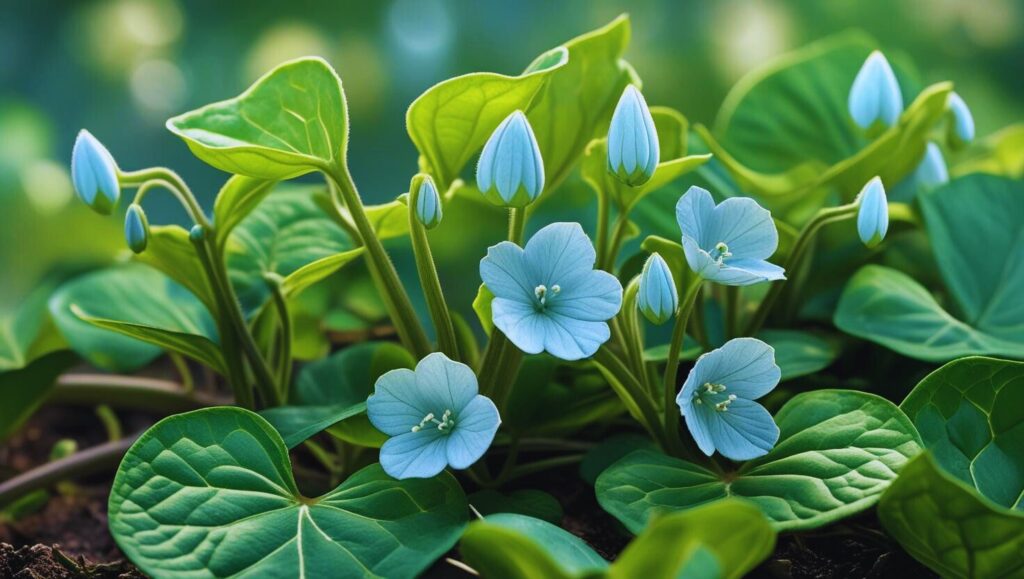 The species that have been examined the most and are most generally used to refer to “Shankhpushpi” include:
Convolvulus pluricaulis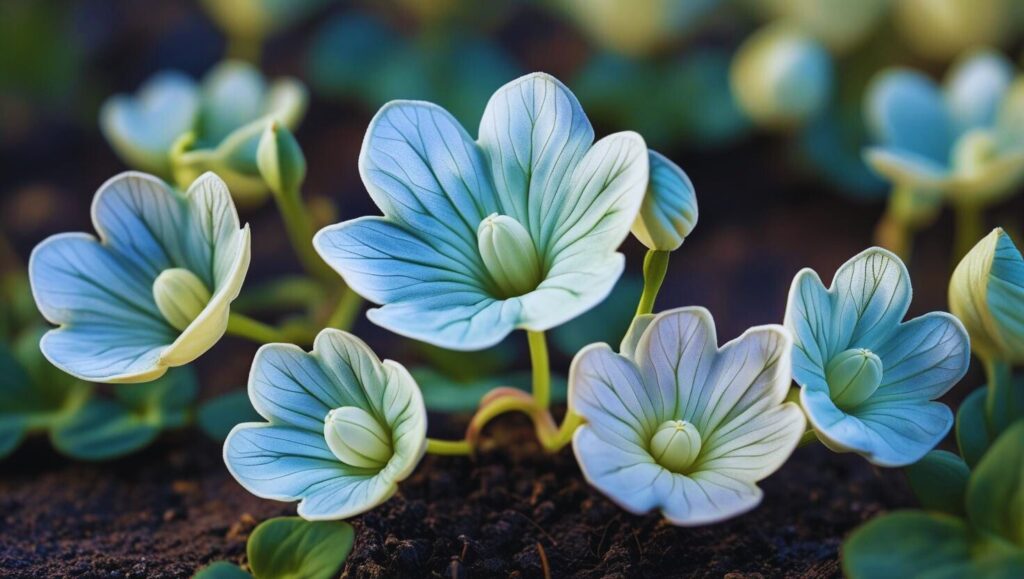
is a well-known and popular species that moves around on the ground and has small blooms that look like shells and are either white or pale blue. The word “Shankhpushpi” comes from the words “Shankha,” which means “conch shell,” and “Pushpi,” which means “flower.”
Evolvulus alsinoides
is another important plant , which produces small blue flowers.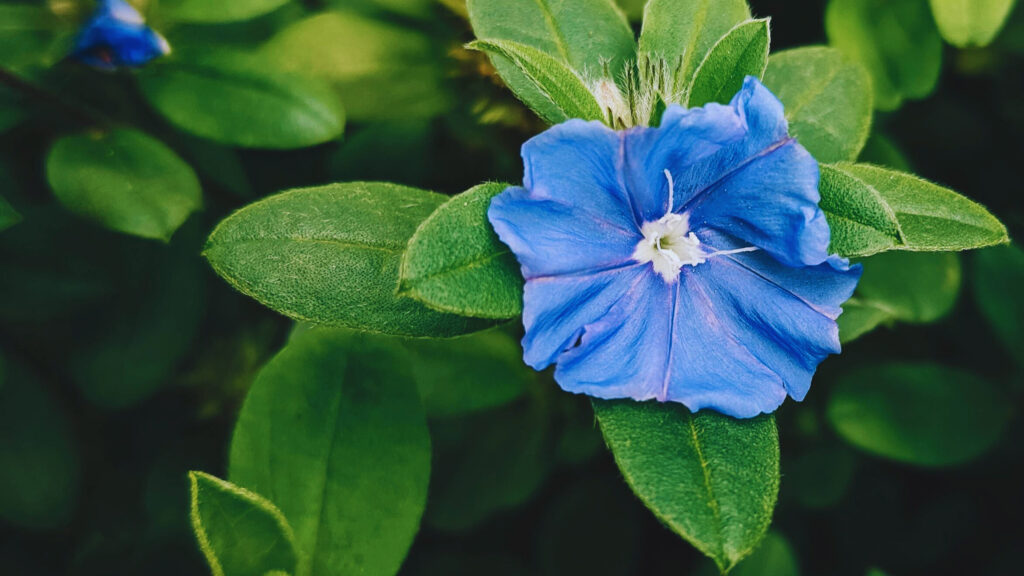
Clitoria ternatea
also known as butterfly pea, is a plant that is often linked to Shankhpushpi. It has nootropic properties and is noted for its brilliant blue flowers, which are used as natural dyes and in teas.
Canscora decussata
is not used as often in formulations, although it has similar traditional uses.
In Ayurveda, the term “Medhya Rasayana” is essential for Shankhpushpi, no matter what type it is. “Medhya” implies intelligence or mental faculties, and “Rasayana” signifies a tonic that gives you new energy. As this classification makes obvious, its main duty is to maintain and nourish the brain, which helps it work better and live longer.
Shankhpushpi: Traditional Ayurvedic Knowledge
 Ayurvedic doctors have employed shankhpushpi for hundreds of years to treat a wide range of neurological and mental ailments. The Old Testament says it works in:
People who practiced it traditionally told students and scholars to use it to increase their smriti, or memory.
Boosting dhriti (grasping power) is making it easier for someone to understand and remember new things.
Boosting Buddhi (intellect/intelligence) enhances overall mental sharpness and clarity.
This mantra is meant to quiet the mind and help with anxiety, stress, and restlessness.
Helping with Nidra (Sleep): Its calming effects were also utilized to help people sleep better and treat insomnia.
This long history of use isn’t simply hearsay; it’s what modern science has learned.
The Scientific Voice: Looking at How Shankhpushpi Works
Modern research is just now starting to figure out how Shankhpushpi works in the body to provide it the benefits that people have been talking about for a long time. Scientists have detected many bioactive compounds in the plant, such as:
Alkaloids, including Shankhapushpine, Convolvine, and Evolvine, can alter neurotransmitter activity, significantly impacting the nervous system.
Flavonoids protect brain cells from damage since they are known to fight inflammation and free radicals.
Coumarins may have effects that help with anxiety and depression.
Glycosides, steroids, and fatty acids all have many uses in medicine, and they all add to the plant’s therapeutic profile.
These compounds are supposed to help Shankhpushpi improve cognitive function, even if the exact mechanisms are complicated and involve many different things:
Potent antioxidants counteract oxidative stress, which damages neurons and leads to cognitive loss. Shankhpushpi helps keep brain cells healthy and working by getting rid of free radicals.
Neurotransmitter Modulation:
Research shows that Shankhpushpi may be able to change the levels of key neurotransmitters.
Acetylcholine is important for memory and learning. Shankhpushpi can aid with these mental processes by making them easier to understand or by strengthening them.
Serotonin, the “feel-good” neurotransmitter, is important for keeping your mood constant, lowering your anxiety, and having a good night’s sleep.
Dopamine is an important neurotransmitter for attention, desire, and reward.
Its control explains why it can both boost cognitive performance and lower stress at the same time.
Anti-Inflammatory Effects:
Chronic brain inflammation, sometimes called neuroinflammation, is linked to many neurodegenerative diseases. The anti-inflammatory compounds in Shankhpushpi can help with this by making the environment better for brain cells to flourish.
People often call Shankhpushpi an adaptogen, which implies it can help you deal with stress. “Adaptogen” is a word that describes naturally occurring substances that can bring the body back to normal after it has been under physical, chemical, or biological stress. It aids the brain and overall health by restoring equilibrium to the body’s stress response system, which is called the hypothalamic-pituitary-adrenal axis. This process makes chronic stress less harmful.
Some studies suggest that shankhpushpi may help blood flow to the brain, which would ensure a steady supply of oxygen and nutrients that the brain needs to work at its optimum.
The Benefits of Memory and Cognitive Enhancement
In particular, Shankhpushpi works as a brain tonic from nature in these ways:
1. Helping with memory and learning
This is probably the most praised benefit of Shankhpushpi. There are a number of things that help it improve memory:
 Better Memory: It helps the brain encode new information, which makes it easier for the brain to remember what it has learned.
It makes it easier to remember what you’ve already learned, which means you won’t have as much “brain fog” and other types of memory loss.
More absorbent and able to process new information: This is because it helps you focus and concentrate, which makes learning simpler. Because of this, it will be very helpful for students, professionals, and anyone else who wants to study for the rest of their lives.
2. Getting better at focusing and being present
People today really respect the capacity to stay focused for long periods of time and keep their thoughts in order. Shankhpushpi comes in here:
 Because it works to reduce mental tiredness, it is possible to have longer bursts of sustained cognitive activity.
Many people have said that their “brain fog” has become better, which has helped them think more clearly and make decisions more swiftly.
Better Focus: It helps people concentrate better on what they’re doing by calming their minds and reducing the number of internal distractions.
3. Lowering stress and worry
One of the best things about Shankhpushpi is that it is excellent at relieving tension and anxiety. Chronic stress makes memory, executive function, and overall cognitive functioning worse. You can help Shankhpushpi by:
 It calms the central nervous system, which helps with hyperarousal and relaxation.
Lowering Cortisol Levels: Its adaptogenic characteristics help control the body’s stress hormones, especially cortisol, which can be detrimental for brain function when levels are high.
Supporting Emotional Stability: Using it regularly can help you stay emotionally stable, which will help you deal with life’s challenges with grace and calm.
4: Getting Better Sleep
Shankhpushpi doesn’t put you to sleep, but it does aid with anxiety and mental peace, which can help you sleep better. A mind that is aware is a mind that works.  Because of less mental turbulence and more tranquility, people can fall asleep faster and experience sleep cycles that help them heal. This then improves cognitive functions, including memory consolidation and concentration.
5. Making health and happiness better
Shankhpushpi helps with a number of specific cognitive processes as well as overall health and happiness. It can help with stress and change neurotransmitters like serotonin, which can lead to:
 Improvement of Mood: It may help you feel less depressed and more hopeful about the future.
Less Irritability: It can help you be more patient and less irritated by calming your mind.
Increased Resilience: It helps individuals deal with problems more easily.
How to Use Shankhpushpi Every Day
 Shankhpushpi is easy to include in your daily health routine because it comes in numerous forms and is easy to find.
Making Shankhpushpi the old-fashioned way is crushing it into a powder, or churna. You can use the powder in milk, water, or ghee (clarified butter) for a lot of different things.
Normal Dose: 1 to 3 grams, once or twice a day.You can also take the herb in tablet or capsule form if you don’t like the taste of the powder. This is both standardized and easier.
Common Dosage: Take 250–500 milligrams (mg) once a day or as the manufacturer says to.Ayurvedic remedies often use syrups and liquids, which are simple to swallow and can be blended with other herbs that work well together.
Pure Shankhpushpi is typically found in herbal tea blends that are meant to help with cognitive function; however, this isn’t always the case.
Important Things to Remember:
Before you start taking any new supplement, it’s important to talk to an Ayurvedic practitioner or a qualified healthcare expert. This is especially true for those who are pregnant, nursing, already have health problems, or are taking other medicines. They can help you figure out what type and dose will work best for you.
 When you buy Shankhpushpi, keep in mind that quality is important. Employ only well-known brands that make genuine Shankhpushpi and employ safe processes. Independent groups should check products to make sure they are pure and work.
Most herbal medications, like Shankhpushpi, don’t show their full effects right away. Instead, you have to use them regularly over a long period of time to see the full advantages. Please allow the herb some time to take effect, as it may require a while.
Pay Attention to Your Body: If your body reacts differently, follow your doctor’s advice on how to change the dose.
Working together to improve brain health to the fullest
Shankhpushpi is a powerful tool; however, to improve memory and focus, you need to use more than one method. You might want to add more brain-healthy practices to Shankhpushpi, such as
 Eating whole, unprocessed foods that are abundant in antioxidants (like berries, leafy greens, and fatty fish), omega-3 fatty acids (like flaxseeds and fatty fish), and B vitamins (like nuts and whole grains) is the best way to have a balanced diet.
Regular Exercise: Working out frequently lowers stress, increases blood flow to the brain, and encourages neurogenesis.
Your brain needs time to heal and strengthen memories, so you should get seven to nine hours of adequate sleep every night.
Yoga and meditation are fantastic techniques to become more aware and boost your mental health by lowering your stress levels, sharpening your focus, and giving you more energy.
To keep your brain busy, do things that make you think, including reading, solving puzzles, learning new skills, and so on.
Strong social ties are associated with improved cognitive health and a reduced risk of cognitive decline.
Warnings and Possible Bad Reactions
Most folks don’t experience any problems when they take sankhpushpi as prescribed. Some people might have minor side effects, but the chances are quite low.
Sometimes, modest gastrointestinal distress can show up as nausea, constipation, or diarrhea.
Some people, especially those who are new to it, may feel a little sleepy since it relaxes them. It’s best to check how you feel before using machinery or driving.
Tell people who are taking blood pressure, diabetes, or CNS depression medicines to be careful because there isn’t much information about how these drugs interact with each other.
Once again, it is crucial to consult a doctor or nurse before beginning any treatment to minimize the risk of adverse reactions.
A Conclusion: Embracing the Nurturing Power of Nature
 In a world that is continuously stretching our mental limits, shankhpushpi is a wonderful, everlasting gift from nature. As a “Medhya Rasayana,” its purpose is not just to ease symptoms but also to restore and improve our basic mental powers. When we accept its adaptogenic, neuroprotective, and mood-boosting properties, we can have better memory, clearer thinking, and a deep sense of peace within.
Shankhpushpi is a mild but effective technique for everyone to go forward, whether they are kids trying to do well in school, professionals dealing with tough problems, or just people who wish to keep their minds sharp as they become older. It reminds us that nature has always supplied simple, elegant solutions to even the most difficult issues, and it shows how much ancient healing systems know. Let Shankhpushpi be your trusted partner on the way to a calmer, more productive mind. This practice will help you take care of your mental health.